
2.5 TW of wind and solar faces end-of-life by the 2040s, Wood Mac warns

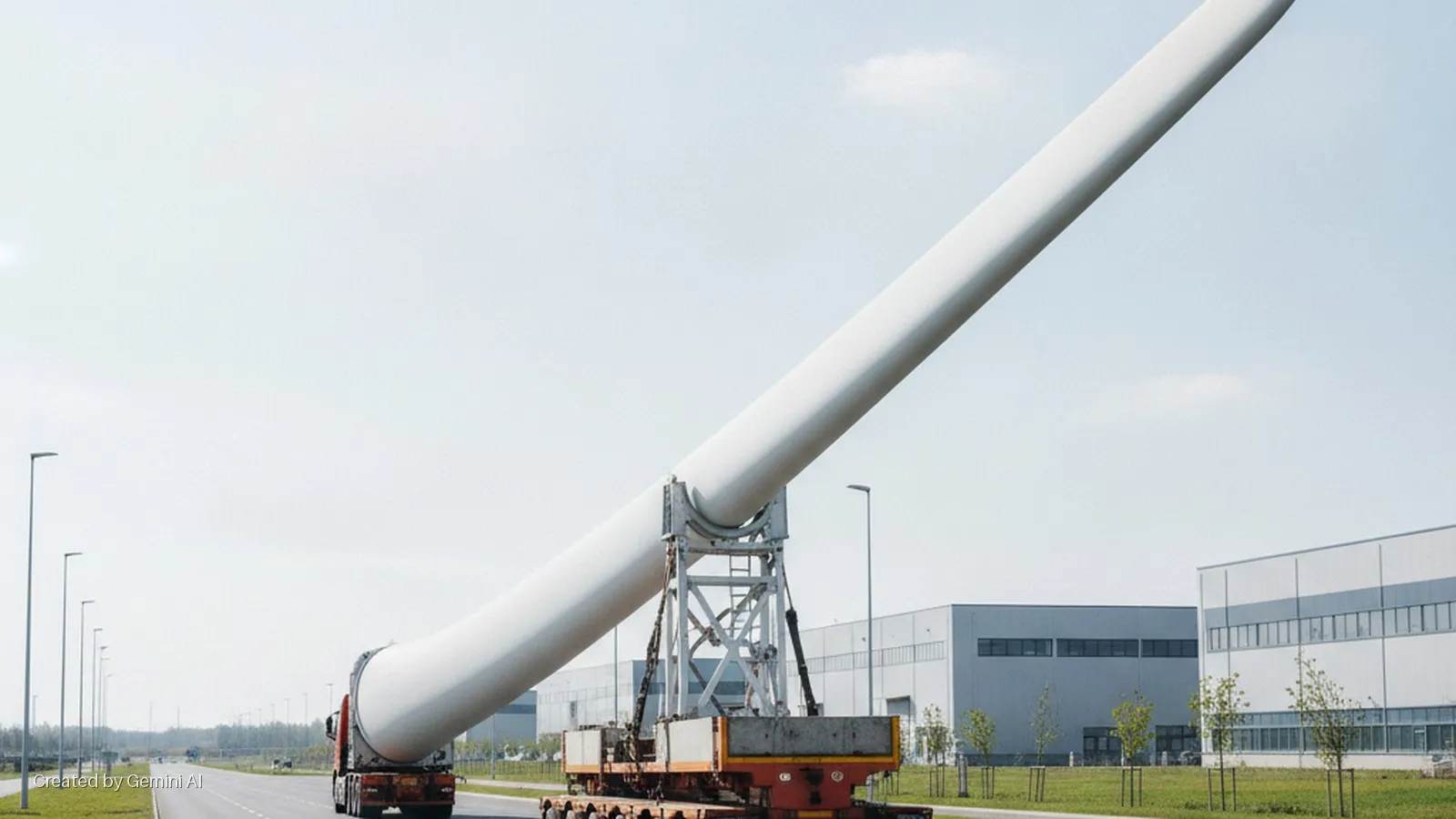
More than 2.5 terawatts (TW) of global wind and solar capacity will reach end-of-life by the 2040s, forcing asset owners to choose between abandoning sites, extending equipment life or repowering entirely, according to a new Horizons report from energy research firm Wood Mackenzie. The finding has significant implications for renewable capacity targets, long-term power prices and the economics of equipment supply chains.
Wind decommissioning is already under way. Wood Mackenzie estimates that more than 30 gigawatts (GW) of wind capacity will have been decommissioned worldwide by the end of 2026, with two-thirds of that volume coming offline between 2022 and 2026 alone. Solar, which began its rapid deployment later, is ageing more slowly for now but is on course to overtake wind in decommissioning volumes before 2040.
The case for repowering
Repowering, the full replacement of old turbines or solar modules on an existing site, offers a material economic advantage over greenfield development. Sites already carry a grid connection, planning consent and community acceptance, allowing new equipment to reach market faster and avoid the permitting queues that have slowed new-build timelines in many regions.
Site quality compounds that advantage. Wood Mackenzie found that in Germany, wind speeds at sites decommissioned so far this decade average 4% higher than those at new greenfield projects. A 4% increase in wind speed translates to roughly 7% higher capacity factors and a corresponding reduction in the levelised cost of energy (LCOE), the standard metric for comparing generation costs across technologies. The gap between repowered and greenfield sites can reach as wide as 30% in some cases.
That dynamic is already reshaping developer strategy. Across Europe and the United States, a growing number of operators are acquiring operational projects in prime locations, decommissioning the existing equipment, and installing an entirely new project on the same footprint.
Targets, prices and supply chains
The policy implications are acute. Søren Lassen, head of wind at Wood Mackenzie, said governments are setting renewable capacity targets without accounting for decommissioning volumes. "Without installations replacing decommissioned projects, global wind and solar deployment would continue to decline year-on-year," he said. The European Commission has targeted 500 GW of wind power by 2030, requiring roughly 37 GW of annual additions. Wood Mackenzie forecasts 17 GW will be decommissioned over the same period, meaning the bloc must add an extra 2 GW per year simply to stand still against a build rate it is already struggling to meet.
Power-price effects will be equally significant. In Germany, the increased output from repowering could reduce wholesale power prices by between 12% and 19% in the 2040s. That is a material risk for asset owners whose projects will by then have moved off long-term contracts and onto merchant revenues or corporate power purchase agreements (PPAs), making repowering a critical input to long-term revenue forecasting rather than a purely operational question.
For equipment suppliers, the outlook is counterintuitive. Even as net capacity addition growth slows, Wood Mackenzie forecasts that total equipment sales volumes in 2050 will be more than 60% higher than in 2026, driven by the scale of replacement demand. In the 2040s, decommissioning replacements are projected to account for 44% of all wind installations and 23% of all solar installations globally, rising to more than 70% in some established European markets.
The report is a signal to developers, policymakers and turbine and module manufacturers that the energy transition is entering a second cycle. Lassen framed the stakes bluntly: "Governments that ignore decommissioning in their targets will miss them. Suppliers that do not plan for replacement demand will be caught short."
Capital allocators should note that the decisions shaping exposure to this replacement wave are being made now, well ahead of the 2040s volume peak. Repowering policy incentives currently exist in only a handful of wind markets, a gap that leaves asset owners inclined towards life extension rather than reinvestment and that could delay the supply-chain ramp the market will eventually require.