
Port of Churchill and Rotterdam sign critical minerals trade pact

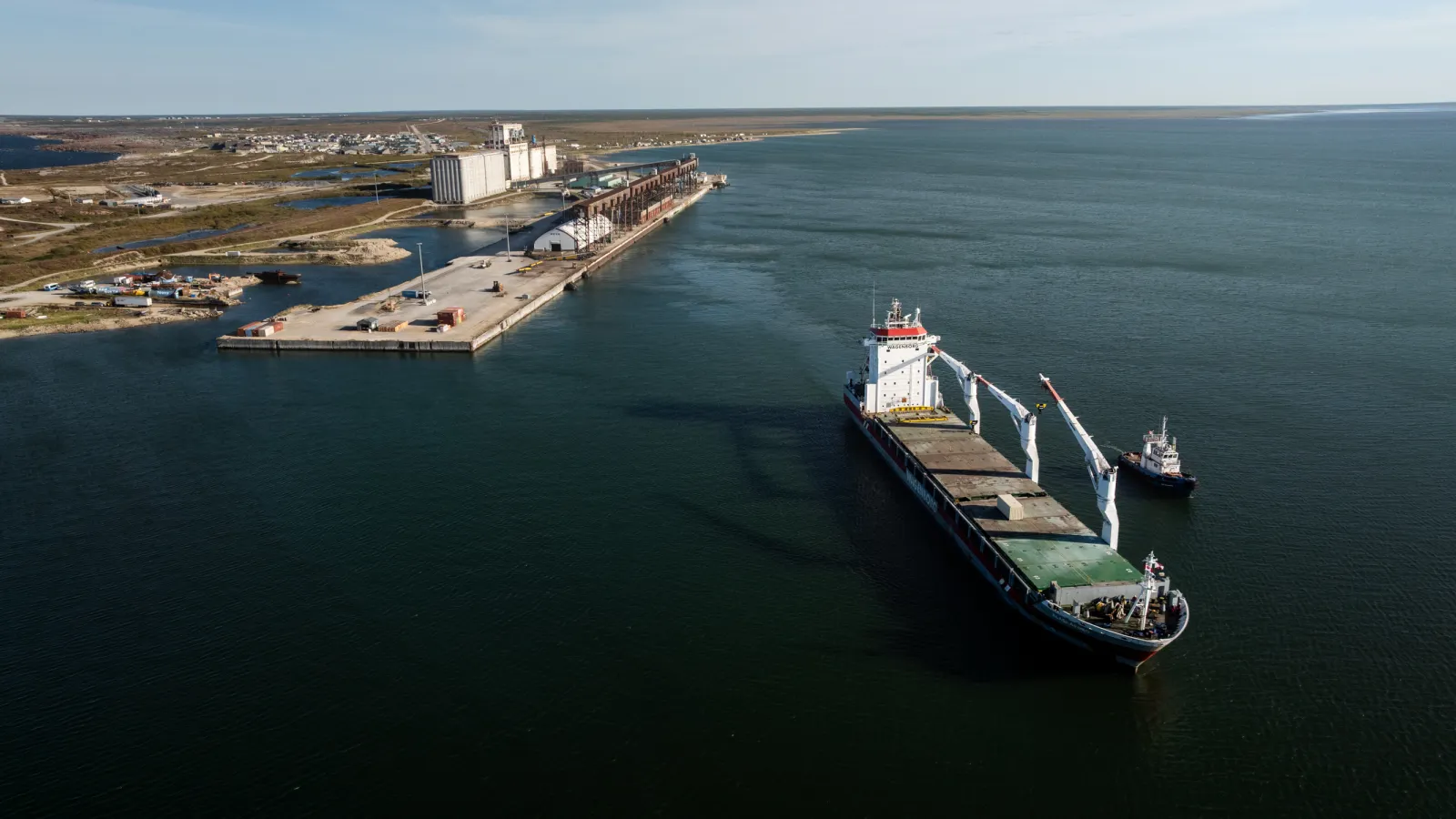
Arctic Gateway Group (AGG), operator of the Port of Churchill in northern Manitoba, has signed a memorandum of understanding with the Port of Rotterdam to develop trade corridors for critical minerals and energy products between Western Canada and Europe. The agreement positions Churchill as an alternative export route for Canadian producers seeking to meet growing European demand for raw materials, and follows what AGG describes as the most diversified shipping season in the port's history.
The two ports will work together to connect Canadian mining and energy producers with European industrial buyers, share port-development expertise, and support the build-out of energy supply chains including liquefied natural gas (LNG). No cargo volumes, contracted tonnages, or financial terms were disclosed in the announcement.
The deal
As an immediate step under the agreement, AGG and the Port of Rotterdam are co-hosting a Critical Minerals and Trade Forum in Winnipeg on 29 September 2026, bringing together mining companies, investors, government representatives and logistics partners. The forum is designed to accelerate deal flow between Canadian producers and European end-buyers.
In 2026 the Port of Churchill has already handled grain exports for the first time since 2020, alongside zinc concentrate, Manitoba potash and Arctic resupply cargoes. AGG says growing product diversity strengthens the commercial case for Churchill as a year-round Northern trade corridor, using the Hudson Bay Railway connection from The Pas to deliver resource-project output that would otherwise be routed through southern Canadian ports with longer Atlantic crossings.
Chris Avery, president and chief executive of Arctic Gateway Group, said the partnership "opens thousands of new doors" to connect Western Canadian resources with one of Europe's principal industrial markets. The Port of Rotterdam hosts more than 3,000 businesses across its complex and acts as a primary entry point for critical raw materials serving European manufacturing.
Market context
Europe's drive to secure critical mineral supply chains has accelerated since 2022, shaped by the EU's Critical Raw Materials Act, which sets domestic processing and import-diversification targets for materials including lithium, cobalt, nickel and rare earths needed in battery, wind-turbine and semiconductor manufacturing. Canada has emerged as a preferred partner: its Critical Minerals Strategy, backed by federal funding commitments, targets expanded extraction and processing of more than 30 priority minerals.
The Churchill route offers a genuinely shorter transatlantic distance for Western Canadian producers compared with west-coast or Great Lakes routing, though Arctic and sub-Arctic navigation constraints, thin rail capacity on the Hudson Bay Railway and the port's limited throughput infrastructure remain practical bottlenecks that will determine whether the MOU translates into material cargo volumes. Several northern Canadian port and corridor projects are competing for capital and shipper attention, and the Rotterdam partnership will need to demonstrate committed offtake before investors treat Churchill as a tier-one export node.
Policy backdrop
The agreement reflects a wider geopolitical reorientation in critical-mineral trade. The EU's push to reduce dependence on Chinese processing capacity has prompted a series of bilateral supply-chain agreements between European industrial buyers and Canadian, Australian and African producers. For Canada, the political salience of Arctic infrastructure has grown alongside sovereignty debates about northern trade routes. Canadian Transport Minister Steven MacKinnon cited the agreement as part of the country's strategy to build "more resilient and competitive supply chains."
The near-term milestone to watch is whether the September forum produces signed commercial arrangements rather than further letters of intent. Investors tracking the critical-minerals logistics space will want to see specific cargo commitments, infrastructure capex plans for the port and rail line, and European offtaker names before treating this corridor as an investable supply-chain play.