
Amogy and Amun Energy sign supply deal for 40 MW ammonia power plant
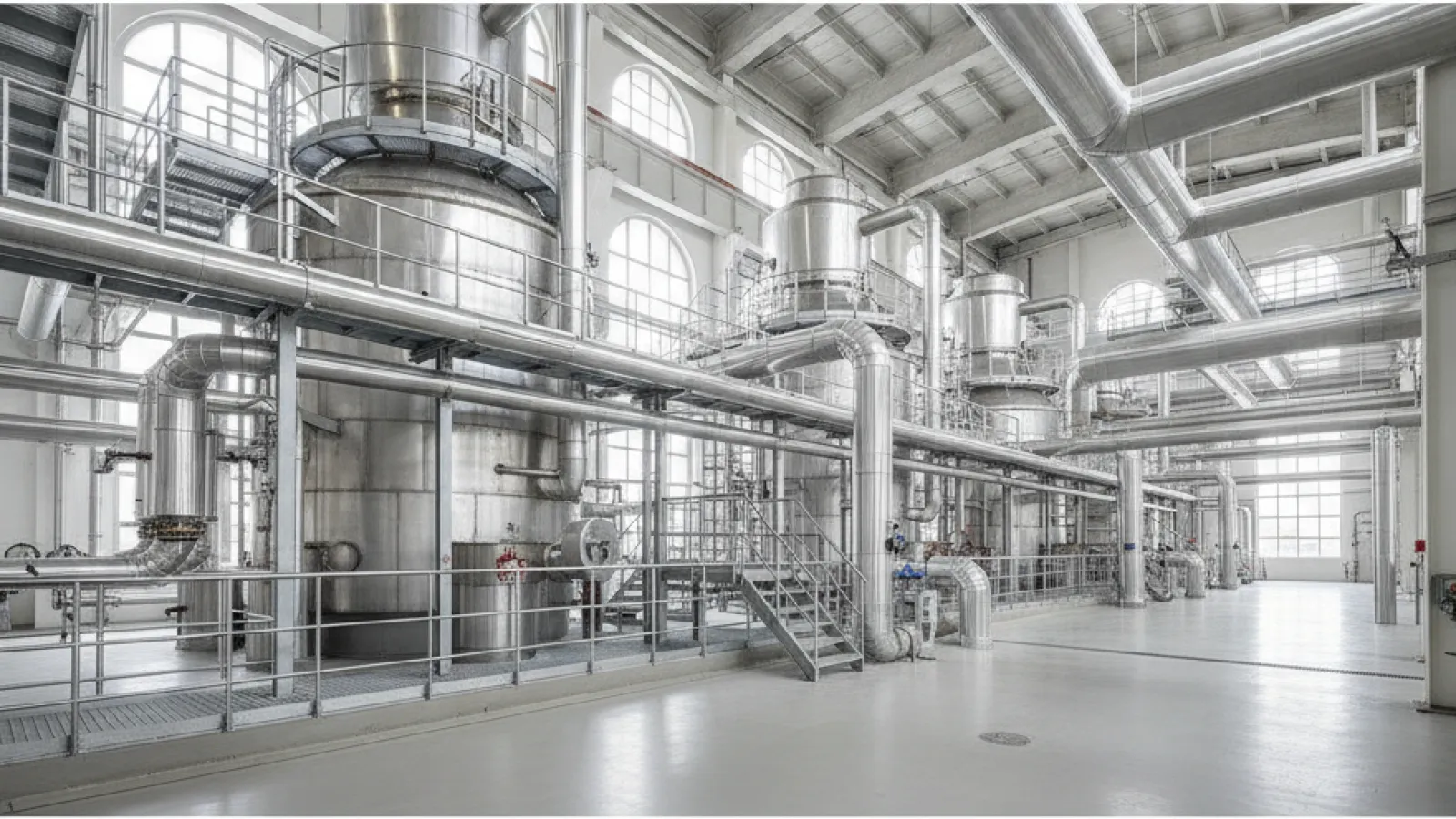
Amogy, a Brooklyn-based developer of ammonia-to-power technology, has executed a supply agreement with Amun Energy — a joint venture between Amogy and South Korean construction giant GS Engineering & Construction (GS E&C) — to equip a commercial-scale 40 megawatt (MW) distributed power project in Pohang, South Korea. The deal establishes the commercial and operational framework for scaling the technology from a 1 MW pilot system, already underway, to 40 MW of installed capacity by 2029.
Amogy's core technology centres on ammonia cracking: a process that splits ammonia into hydrogen and nitrogen, with the hydrogen then fed into fuel cells or hydrogen engines to generate electricity with zero direct carbon emissions. Ammonia is attractive as an energy carrier because it is easier to store and ship at scale than compressed or liquefied hydrogen, making it a candidate for distributed power as well as maritime fuel.
The deal
The Pohang project is structured in phases. The initial 1 MW pilot system builds on a previously announced collaboration between Amogy and GS E&C; today's supply agreement formalises the framework for the full scale-up to 40 MW by the end of the decade. Amun Energy, which combines Amogy's technology with GS E&C's engineering, procurement and construction (EPC) capabilities, will lead project development and commercialisation on the Korean side.
No project capital cost, power-purchase agreement terms, or contracted offtake price were disclosed. The supply agreement does not specify the number of discrete installations that will make up the 40 MW total, nor the identity of any power purchaser.
Seonghoon Woo, chief executive of Amogy, said ammonia is "emerging as an increasingly practical option for power generation" as power markets search for reliable, carbon-free solutions that can scale. Ki Tae Kim, chief executive of Amun Energy, described the Pohang roadmap as "a strong foundation for long-term commercial adoption."
Market context
Ammonia-to-power is still in the early stages of commercial deployment globally. The technology competes with other firm low-carbon power sources — battery storage, small modular reactors (SMRs), and direct green-hydrogen combustion — as grid operators seek dispatchable, carbon-free capacity. South Korea has been among the more aggressive Asian markets in backing hydrogen and ammonia as strategic fuels, driven partly by the country's limited domestic renewable resource and heavy dependence on imported fossil fuels.
Amogy is backed by a notable roster of strategic investors including Amazon's Climate Pledge Fund, SK Innovation, Aramco Ventures, Mitsubishi Corporation, Samsung Heavy Industries, BHP Ventures and AP Ventures. That capital base spans energy majors, industrial conglomerates and climate-focused funds — a configuration that signals both the strategic importance of the technology and the breadth of sectors it could disrupt.
Policy path
South Korea's hydrogen policy framework — including the national Hydrogen Economy Roadmap and a legislative push to expand ammonia co-firing and standalone ammonia power — creates a supportive backdrop for the Pohang project. The government has set targets to increase the share of hydrogen and ammonia in its power mix by the early 2030s, which provides demand-side visibility for developers. Separately, the project may benefit from incentives tied to Korea's broader push to establish domestic clean-energy infrastructure ahead of tightening carbon-pricing mechanisms.
The Pohang project's progress from pilot to full commercial scale by 2029 will be a closely watched proof point for the ammonia-to-power category. Investors and developers in adjacent sectors — maritime ammonia shipping, industrial decarbonisation — will be tracking whether the phased deployment model can underpin a replicable commercial structure across South Korea and into other import-dependent Asian power markets.