
Dragonfly Energy wins European patent for dry electrode battery tech
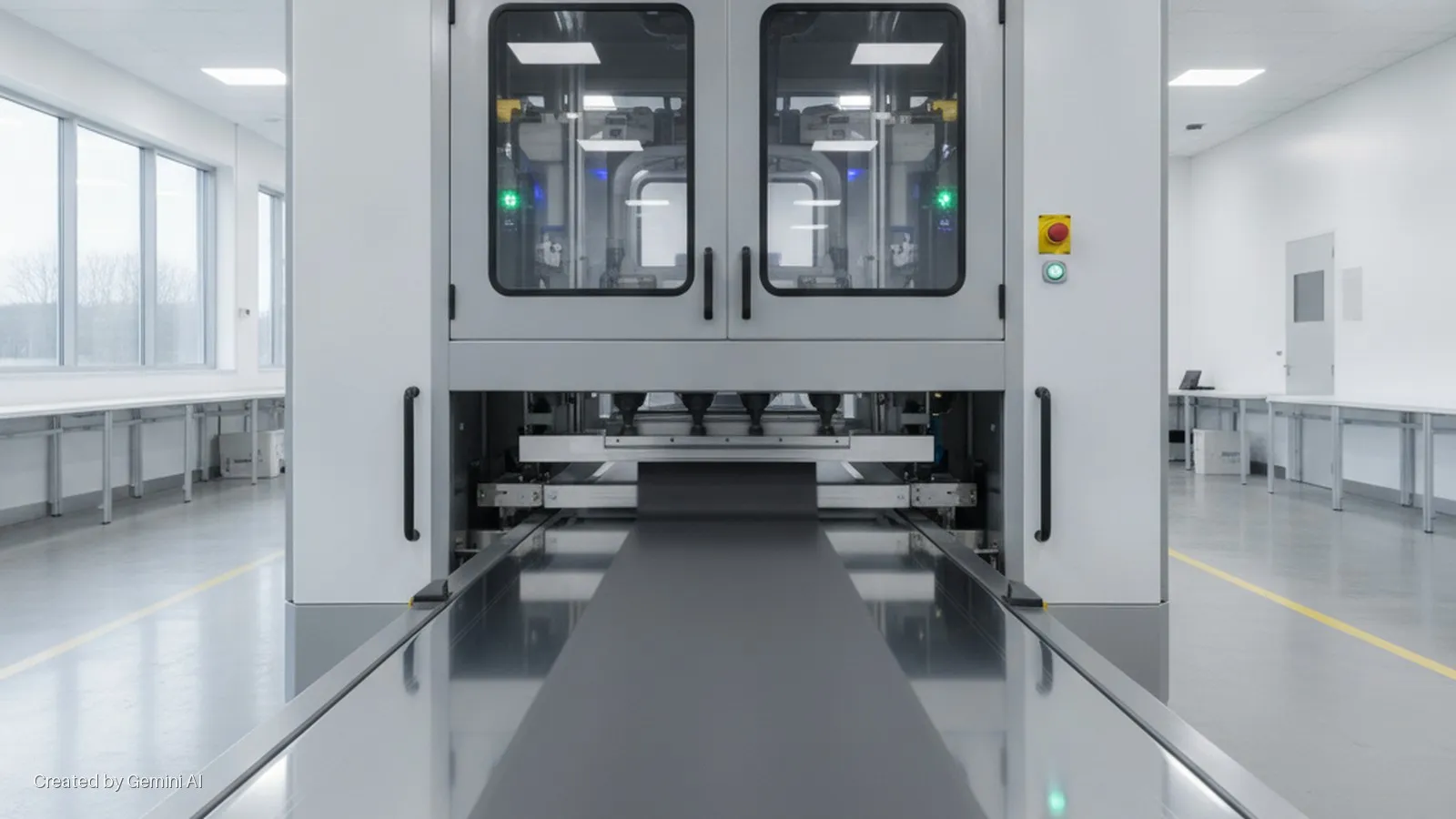
Dragonfly Energy Holdings (Nasdaq: DFLI) has received a notice of allowance from the European Patent Office for its dry powder coating process, a manufacturing technique the company describes as central to its long-term cell strategy. The patent covers systems and methods for applying dry powder to form electrode, separator, and solid-state electrolyte layers within an electrochemical cell, without the solvents used in conventional battery manufacturing.
The allowance strengthens Dragonfly's intellectual property position in Europe and follows patent protection secured in other jurisdictions. The company says the process is chemistry-agnostic, meaning it can, in principle, support multiple battery chemistries rather than a single cell type. Its stated goal is the eventual commercialisation of non-flammable, all-solid-state battery cells for applications spanning grid-scale energy storage, electric vehicles, and consumer electronics.
Chief executive Denis Phares said the European allowance "expands the global reach of our intellectual property portfolio and strengthens protection around the dry electrode technology central to our long-term cell manufacturing strategy." Dragonfly did not disclose a commercialisation timeline, licensing plans, manufacturing capacity targets, or any partnership or offtake arrangement tied to this patent.
Market context
Dry electrode manufacturing is attracting significant attention because it removes the need for toxic, energy-intensive solvent drying steps that add cost and complexity to conventional lithium-ion cell production. The technique was pioneered at scale by Tesla through its Maxwell Technologies acquisition and has since become a focus for several battery developers and incumbent cell makers seeking to reduce factory capex and improve energy density.
Solid-state batteries (SSBs) replace the liquid electrolyte found in mainstream lithium-ion cells with a solid material, offering theoretical advantages in energy density and safety. However, SSBs remain largely pre-commercial at scale. Toyota, Samsung SDI, QuantumScape, Solid Power, and a number of Chinese manufacturers are among those pursuing different solid electrolyte chemistries, with first high-volume automotive applications widely projected for the late 2020s or early 2030s. Dragonfly occupies a smaller-company position in this landscape, better known for its Battle Born Batteries consumer and recreational-vehicle products than for cell-level manufacturing at utility scale.
Policy and capital read-across
European battery manufacturing has become a strategic priority following the EU's Battery Regulation, which introduces lifecycle carbon-intensity and supply-chain due-diligence requirements that favour domestically produced, lower-emission cells. Patent protection in Europe is a prerequisite for any licensing or joint-venture strategy with European automotive or energy-storage customers. In the United States, the Inflation Reduction Act's 45X advanced-manufacturing tax credit rewards domestic cell production by the kilowatt-hour, creating an incentive for companies with proprietary manufacturing processes to scale output onshore.
For Dragonfly, the key near-term question is whether this intellectual property position can be converted into a commercial agreement, a manufacturing partnership, or additional capital. The company has not announced a funding round, a named customer for its solid-state programme, or a timeline for moving beyond its current consumer battery business into grid or automotive cell supply. Investors tracking the solid-state space will want to see a concrete commercialisation milestone before treating a patent allowance as a market signal in its own right.