
Eclipse Energy claims $0.56/kg hydrogen cost from depleted reservoirs

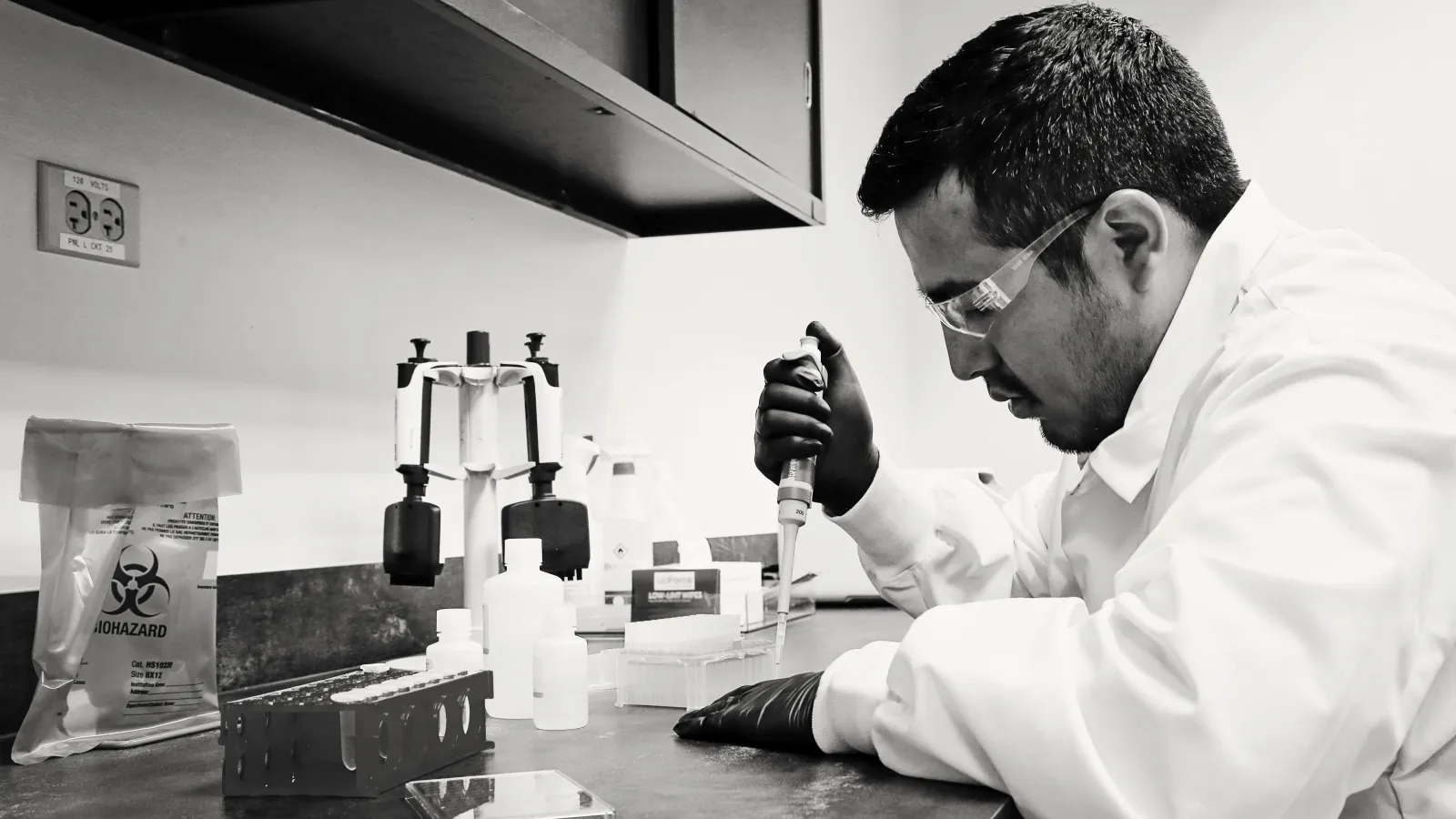
Eclipse Energy, a Houston-based energy technology company, has published the results of an independent techno-economic assessment (TEA) conducted by engineering consultancy Wood, which the firm says validates the commercial potential of its RenovaStrata H2 technology. The process uses deep microbiology to stimulate hydrogen production within depleted oil reservoirs, converting end-of-life oilfield infrastructure into a hydrogen supply asset.
Wood's assessment reported a levelised cost of hydrogen as low as $0.56 per kilogram, below Eclipse's own stated commercial target of $0.70/kg. It also calculated a carbon intensity of 0.076 kilograms of carbon dioxide equivalent per kilogram of hydrogen (kgCO2e/kgH2). Eclipse says that figure represents a reduction of around 99% compared with the direct emissions from burning natural gas, though that comparison covers only combustion emissions and does not necessarily include full lifecycle accounting. The company has completed a field demonstration of the underlying process, which preceded the commercial-scale modelling covered by this assessment.
Wood's COO of Consulting, David Cole, said the findings show "incredible potential to impact the energy industry", citing the opportunity to reduce abandonment liabilities on depleted wells. Eclipse CEO Prabhdeep Singh Sekhon said the assessment provides "a clear pathway from successful field demonstration to repeatable, commercial-scale hydrogen projects".
Technology context
Subsurface or geo-microbial hydrogen production is an early-stage category within the broader hydrogen landscape. It sits alongside more established low-carbon routes: green hydrogen produced by electrolysis powered by renewables, blue hydrogen made from natural gas with carbon capture (CCUS), and geological or native hydrogen seeping from the earth's crust. Eclipse's approach, which bio-stimulates existing reservoir rock rather than drilling new wells, is positioned by the company as a way to cut the capital intensity typical of greenfield hydrogen projects and to monetise infrastructure that would otherwise require costly decommissioning.
At $0.56/kg, the reported cost would, if reproducible at commercial scale, undercut most current green hydrogen estimates, which range from roughly $3 to $6/kg depending on renewable power prices and electrolyser costs. Blue hydrogen via steam methane reforming with CCUS typically falls in the $1 to $2.50/kg range. However, the Wood figure is derived from a TEA model rather than an operating commercial plant, and translating modelled costs into actual project economics depends on site-specific geology, power supply configurations, and capital market conditions. These sensitivities are noted in the full assessment, which Eclipse has made publicly available.
Capital and policy read-across
Eclipse Energy has not disclosed its funding history, named investors, or any offtake agreements in this release, which limits the ability to assess near-term commercial momentum. The TEA is the standard precursor to a final investment decision, suggesting the company is seeking to use the Wood validation to attract project finance and industrial offtakers rather than announcing a specific deal.
The policy environment for low-carbon hydrogen in the United States is shaped significantly by the Inflation Reduction Act's 45V hydrogen production tax credit, which offers up to $3/kg for hydrogen produced below a strict carbon-intensity threshold. At 0.076 kgCO2e/kgH2, Eclipse's reported figure would, in principle, qualify for the highest incentive tier, which could substantially improve project economics beyond the modelled $0.56/kg levelised cost. In Europe, the Hydrogen Bank and RED III regulations provide parallel demand-side support, though qualifying criteria for novel production pathways are still being defined.
The key milestones investors and offtakers will look for from Eclipse include a named first commercial project, a development partner or operator, an offtake term sheet, and independent third-party verification of carbon intensity figures at a project rather than a modelling level.