
ISO-NE selects Eversource TIDE project to unlock 1,200 MW of wind

ISO New England has selected Eversource's Transmission Initiative Down East (TIDE) as the preferred long-term solution to its competitive transmission solicitation, a ruling that could unlock up to 1,200 megawatts (MW) of onshore wind integration across northern New England. The grid operator's analysis projects the project will deliver benefits at a better than two-to-one cost-benefit ratio, including $1.42 billion in production cost and congestion savings, $1.30 billion in avoided capital investment, and $694 million in avoided transmission spending.
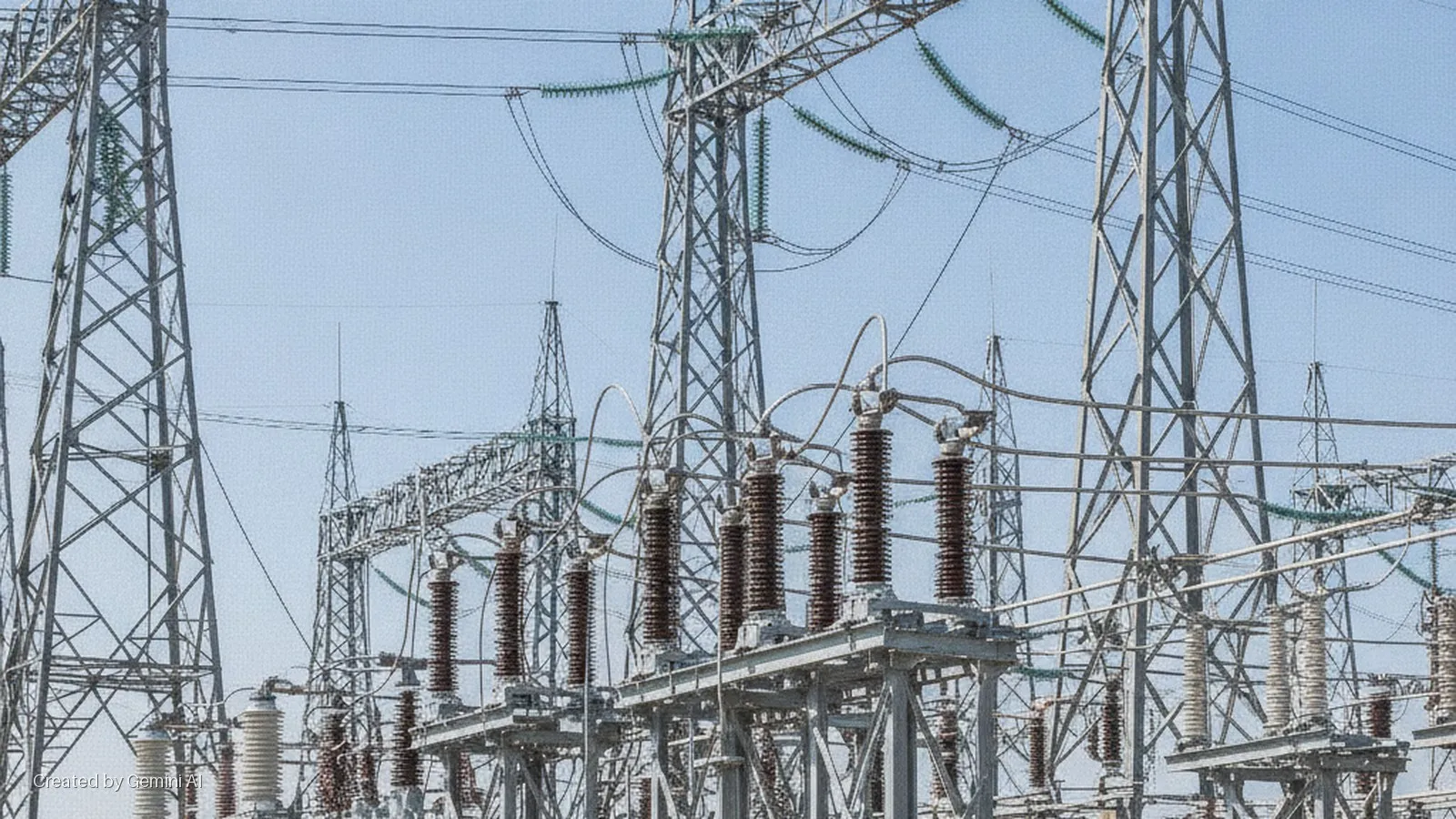
The TIDE project is a joint initiative led by Eversource (NYSE: ES), New Hampshire's largest electric utility, serving approximately 549,000 customers. Eversource's portion involves upgrading and replacing infrastructure within existing rights-of-way across New Hampshire, Maine and Massachusetts. Specific works include a new 18-mile, 345 kilovolt (kV) transmission line in New Hampshire, a rebuild of an existing 345 kV line from a two-pole H-frame to a single-pole configuration, reconductoring of a second 345 kV line, and new voltage-regulation equipment. The developer emphasised the design's use of established corridors, arguing this limits environmental disruption while delivering capacity gains.
Construction is not anticipated to begin until 2029, pending completion of engineering, environmental, permitting and regulatory reviews at state and federal level.
The deal
Bill Quinlan, President of Transmission at Eversource, said the selection was "an important step toward delivering the modern, reliable transmission infrastructure New England needs while enabling new supply resources that are so critical to addressing our region's longstanding energy affordability challenges." The company did not disclose the total capital cost of the TIDE project, the equity or debt structure, or the identity of any joint-venture partners referenced in the project name. The cost-benefit figures cited are ISO-NE's own analysis rather than independently audited estimates.
Market context
Transmission bottlenecks are one of the most persistent constraints on the US clean-energy build-out. New England is particularly exposed: the region has limited interconnection capacity with neighbouring grids and a generation mix that still relies on natural gas for firm power, making congestion costs a chronic affordability problem for retail customers. Northern New England holds substantial developable onshore wind resource, but that capacity has been effectively stranded without the high-voltage infrastructure to carry it south to load centres.
ISO-NE's competitive solicitation process, modelled on Federal Energy Regulatory Commission (FERC) Order 1000 principles, is designed to open grid investment to non-incumbent developers. TIDE's selection through that process gives it regulatory standing, though it still requires state-level approvals in New Hampshire, Maine and Massachusetts before construction can proceed. Grid expansion projects of this type often face multi-year permitting timelines, and the 2029 construction start should be treated as indicative rather than firm.
Policy path
The economics of new transmission in the US north-east are shaped by the federal regulatory compact: costs are typically socialised across the regional tariff zone, which is why ISO-NE's projected customer savings figure carries weight with regulators and state public-utility commissions. The Biden-era Bipartisan Infrastructure Law included transmission-specific funding that some developers have accessed; the durability of those programmes under the current administration is a variable worth monitoring for projects still in permitting.
Wind developers with assets in Maine and New Hampshire will watch TIDE's progress closely. Up to 1,200 MW of new grid-connection headroom is material for a region where onshore wind pipelines have stalled partly for lack of offtake and partly for lack of wire. Eversource's next milestones will be state regulatory filings and the commencement of environmental review.