
Jewish Solar Challenge opens 2026 grants for Jewish nonprofits

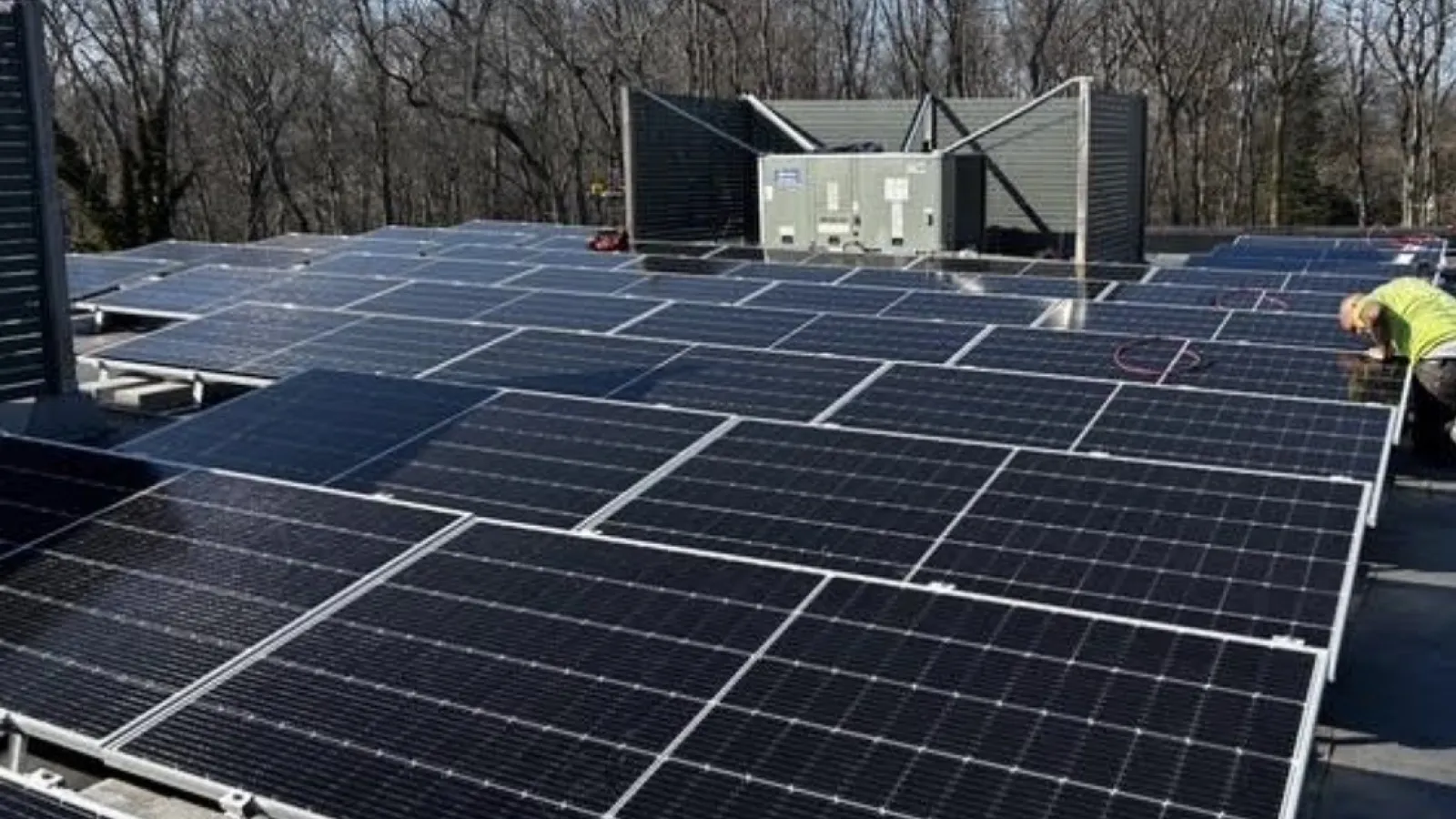
The Jewish Solar Challenge (JSC), a Los Angeles-based nonprofit, has opened its 2026 grant application cycle, offering matching grants of up to $50,000 to Jewish nonprofits across North America for rooftop solar installations. First-round applications close on 25 September, with winners announced before year-end. A second round, for shortlisted applicants, closes on 30 October.
JSC says it plans to award $300,000 in this cycle, which would bring its cumulative grant total to $1.5 million since its 2021 founding. The organisation reports that its supported installations amount to a combined capacity of 3 MW, generating approximately 4.6 million kWh of clean electricity per year and displacing a reported 1,700 metric tonnes of CO2 annually. Those figures are provided by JSC and have not been verified against a named third-party source.
The deal
Eligible applicants include synagogues, Jewish schools and camps that own their buildings. Organisations with existing contractor quotes and readiness to begin installation receive priority in the selection process. Grant recipients are also required to demonstrate a broader sustainability commitment beyond panel installation, with JSC experts working with shortlisted applicants to develop community sustainability plans before final applications are submitted.
Mitchell Schwartz, the founder of JSC, said the 2026 cycle is an opportunity for Jewish institutions "to turn interest in solar into a concrete plan," adding that the grants and guidance are intended to help communities lower long-term energy costs and build resilience. The organisation has so far awarded grants to more than 20 organisations in the United States and one in Uganda.
A case study from Camp Gilboa, a remote Jewish summer camp in California's Big Bear area, illustrates the model. Before receiving a JSC grant, the camp relied entirely on propane generators; after installation, solar panels now power its dining hall and kitchen.
Market context
JSC occupies a niche in the broader distributed solar market: faith-based and community institution finance. Commercial and industrial rooftop solar has matured rapidly in the United States, driven by falling panel costs and the federal Investment Tax Credit, but smaller nonprofits frequently lack the balance sheets or procurement expertise to capture those savings without grant intermediaries. Matching-grant models have proven effective in this segment, reducing the upfront capital barrier while preserving institutional ownership of the asset.
The $50,000 maximum grant is modest relative to typical commercial solar project costs, which suggests JSC functions as a catalyst for smaller installations rather than utility-scale deployment. The 3 MW cumulative capacity across more than 20 organisations over five years reflects that community-scale orientation: average project size is well under 200 kW, consistent with rooftop systems on schools, camps and places of worship.
Distributed solar of this kind sits outside the mainstream cleantech investment market, but it is relevant as a signal of where retail electricity cost pressures are driving new buyers into the solar procurement funnel. JSC's release notes that rising electricity demand, driven in part by data centre and AI workload growth, is increasing the urgency for institutions to lock in lower-cost generation. Whether that cost signal accelerates application volumes in the 2026 cycle will be a data point worth watching.
JSC does not disclose its own funding sources or the names of the donors or foundations backing its grant pool. Interested organisations can apply at www.jewishsolarchallenge.com.