
Ming Yang and Oceanic Wind sign MOU for 2 GW BC offshore project
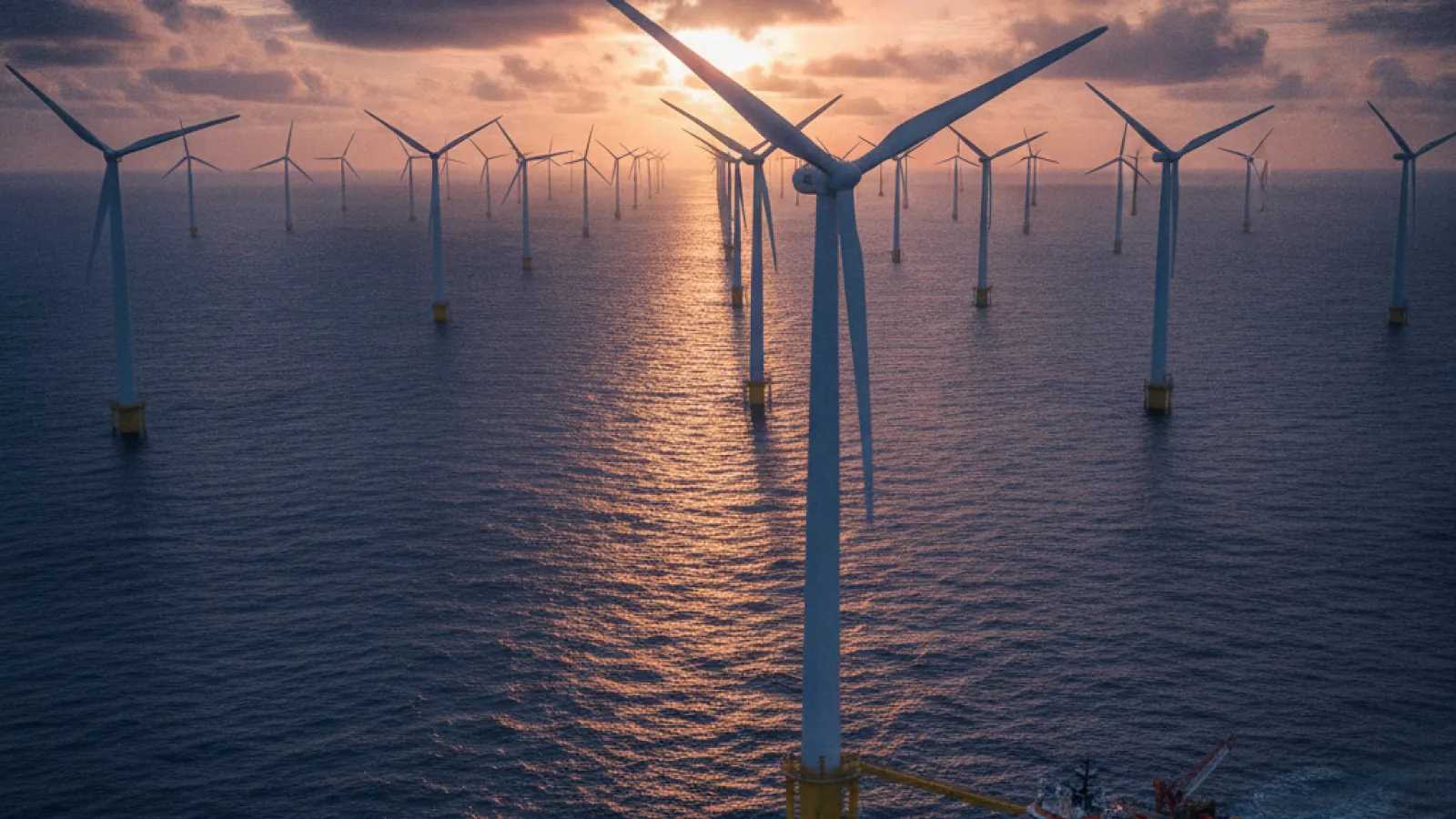
Ming Yang Smart Energy Group, the Shanghai- and London-listed wind-turbine manufacturer, has signed a memorandum of understanding (MOU) with Canadian developer Oceanic Wind Energy to explore a strategic investment in a proposed 1.5–2 GW offshore wind project in the Hecate Strait off the northwest coast of British Columbia. The agreement is non-binding, and both parties have stressed that the size and scope of any investment will be determined during a 90-day due diligence period.
The project is being co-developed by Oceanic Wind and Coast Tsimshian Enterprises (CTE), a 50/50 partnership between the Metlakatla and Lax Kw'alaams First Nations. CTE's involvement positions the scheme as one of Canada's larger Indigenous-led renewable energy initiatives. Under the MOU, Ming Yang is evaluating opportunities to provide equity investment, debt financing and technical and operational expertise across the development, construction and long-term operating phases.
The resource and the milestone
The Hecate Strait is widely regarded as an exceptionally high-yield offshore wind location. The project developer cites average wind speeds exceeding 10 metres per second, annual capacity factors above 50% and winter capacity factors of 65% — figures that, if borne out at commercial scale, would place the resource among the most productive offshore sites globally. Capacity factor is a measure of how much electricity a generator actually produces relative to its theoretical maximum; a 50%-plus annual figure compares favourably with typical North Sea offshore averages of 35–45%.
Alongside the MOU announcement, Oceanic Wind confirmed it has retained Falkirk Environmental Consultants to begin work on the environmental approvals process, starting with preparation of the Initial Project Description — the first formal step in British Columbia's regulatory and environmental assessment framework for major energy infrastructure.
Michael O'Connor, president and chief executive of Oceanic Wind, described the agreement as reflecting "growing international confidence in Indigenous partnerships in clean energy development in Canada" and said it represented "an important step toward building a globally significant offshore wind industry" in the province.
Market and capital context
Canada's offshore wind sector is at an early stage compared with Europe and parts of Asia. British Columbia has no operational offshore wind capacity, and provincial policy frameworks for offshore development remain nascent, making regulatory pathway and grid interconnection the binding near-term constraints rather than wind resource quality. BC Hydro, the provincial utility, is the logical offtaker for any power generated — but no power purchase agreement or similar offtake instrument has been disclosed.
Ming Yang's interest reflects a broader pattern of Chinese turbine and energy groups seeking international project stakes as a route to technology deployment and long-term service revenue, particularly in markets where equipment procurement could follow investment. The company manufactures offshore turbine platforms, energy storage systems and related smart-grid technology.
The involvement of an Indigenous joint-venture entity in project ownership rather than merely a consultation role is consistent with a shift in Canadian energy project structuring, driven by both federal reconciliation policy and the practical reality that First Nations title and rights are material permitting variables in British Columbia.
The 90-day due diligence window will determine whether Ming Yang converts the MOU into a binding investment commitment and, if so, on what terms. No project financing structure, capital quantum, turbine supply arrangement or construction timeline has been disclosed. Investors in Oceanic Wind (TSX Venture: NKW.H) will watch for a definitive agreement and, beyond that, progress through BC's environmental assessment process as the next substantive milestones.