
Next Hydrogen secures C$2m NRCan grant for electrolyser R&D

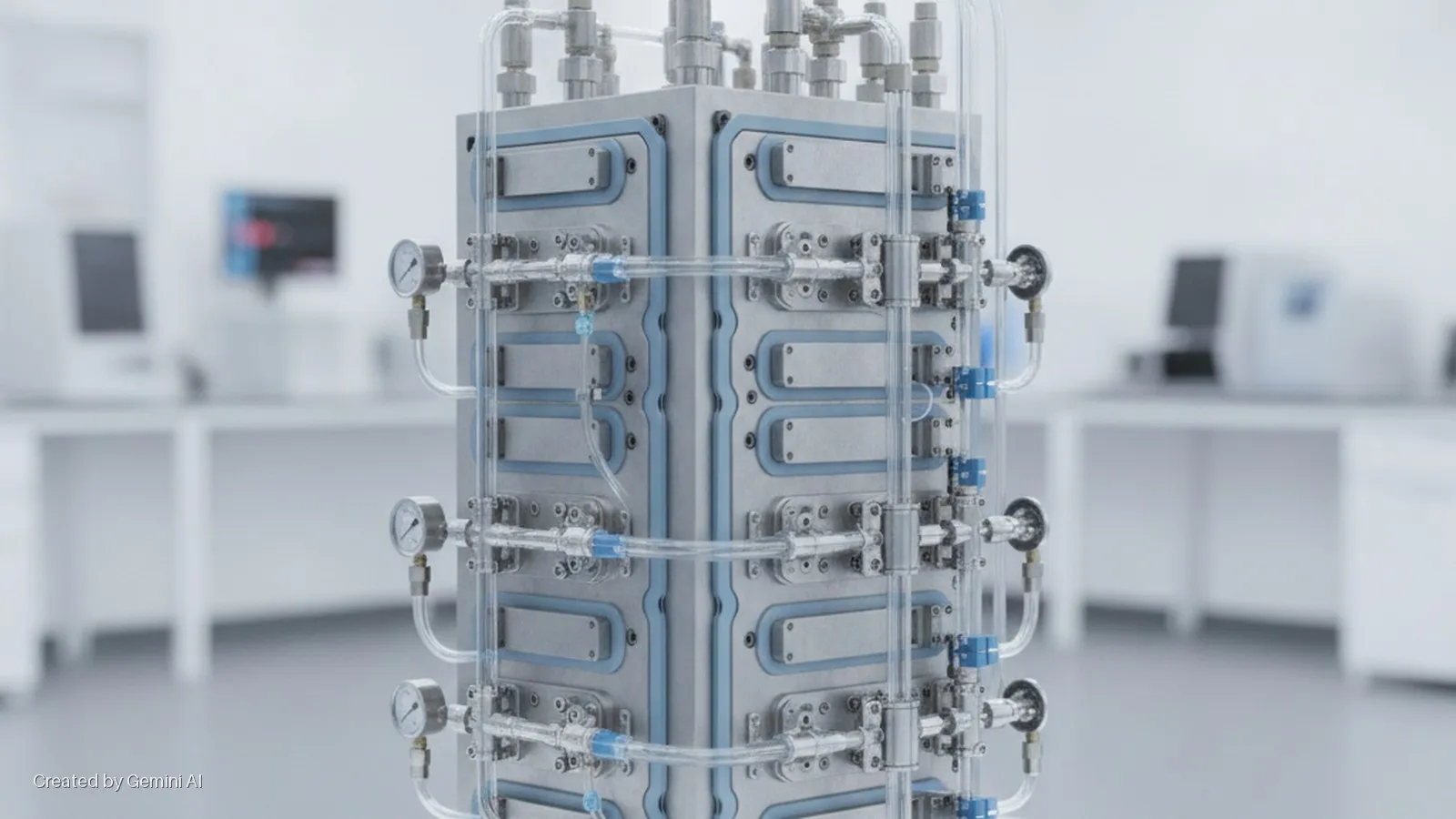
Next Hydrogen Solutions has secured a non-repayable contribution of up to C$2 million from Natural Resources Canada (NRCan) through the federal Energy Innovation Program. The Mississauga-based electrolyser manufacturer will use the grant to develop scalable fabrication processes for its commercial alkaline water electrolysis modules, with a focus on reducing energy consumption and cell-manufacturing costs.
The company is targeting cell performance of 1.8 V/cell at 1.0 A/cm² by the first quarter of 2027, a threshold aligned with the US Department of Energy's 2026 technical benchmark for alkaline water electrolysis. Its ultimate goal is 1.7 V/cell at 1.2 A/cm² by September 2028. Next Hydrogen says those efficiency gains are expected to reduce electricity consumption per kilogram of hydrogen produced by approximately 8%. Because electricity accounts for 60 to 70 per cent of green hydrogen operating costs, even modest efficiency improvements can move project economics meaningfully.
The deal
President and chief executive Jocelyne Moyer said the funding would advance Next Hydrogen's electrolyser technology toward performance levels aligned with the US DOE's H2NEW long-term roadmap for alkaline electrolysis, and that innovations from the project are expected to be incorporated into its commercial platform by early 2027. The release did not disclose the company's current revenue, order backlog, or installed capacity.
NRCan's contribution is non-repayable, meaning it functions as a grant rather than a loan or equity stake. The federal government did not disclose total programme spend or how many projects the Energy Innovation Program is supporting in this funding cycle.
Market context
Alkaline water electrolysis is one of two dominant green hydrogen production technologies, alongside proton exchange membrane (PEM) electrolysis. Alkaline systems tend to have lower capex and longer stack life, but historically lag PEM on dynamic response and current density. Next Hydrogen says its cell-design architecture, protected by more than 40 patents, supports intermittent renewable-power inputs, a key operational requirement when pairing electrolysers with wind or solar generation.
The green hydrogen sector is navigating a difficult capital environment in 2026. After a wave of announcements and project filings in 2022 to 2024, several large-scale European and North American projects have been deferred or scaled back as electrolyser costs proved stickier than forecast and offtake pricing for green hydrogen has remained under pressure. That context makes federal R&D grants increasingly significant: they de-risk early-stage efficiency work that commercial lenders are reluctant to fund alone, and they give smaller developers a path to the performance benchmarks that anchor bankable project finance.
Canada's hydrogen strategy targets domestic production capacity as a supply-security and export play, with the government pointing to hydrogen as a route to decarbonising heavy industry and generating export revenues. The country's low-cost hydropower base in Quebec and British Columbia gives Canadian electrolysis projects a structural advantage on operating costs, provided electrolyser capex and financing can be controlled.
Policy path
The NRCan Energy Innovation Program is one of several federal instruments supporting Canada's clean-energy industrial strategy, alongside the Clean Technology Manufacturing investment tax credit introduced in the 2024 federal budget, which offers a 30 per cent credit on eligible electrolyser manufacturing equipment. Whether Next Hydrogen's commercial products can qualify for that credit, or for provincial incentives in Ontario, is not addressed in the release.
The US DOE benchmarks Next Hydrogen is targeting also matter commercially: meeting or exceeding DOE thresholds positions the company to supply into the US market, where the 45V clean hydrogen production tax credit under the Inflation Reduction Act creates demand-side incentives for low-emissions hydrogen. Investors will watch for the Q1 2027 performance milestone, commercial integration timelines and any new offtake or distribution agreements as the project progresses.