
Technip Energies wins €1bn+ EPCIC contract for Coral Norte FLNG
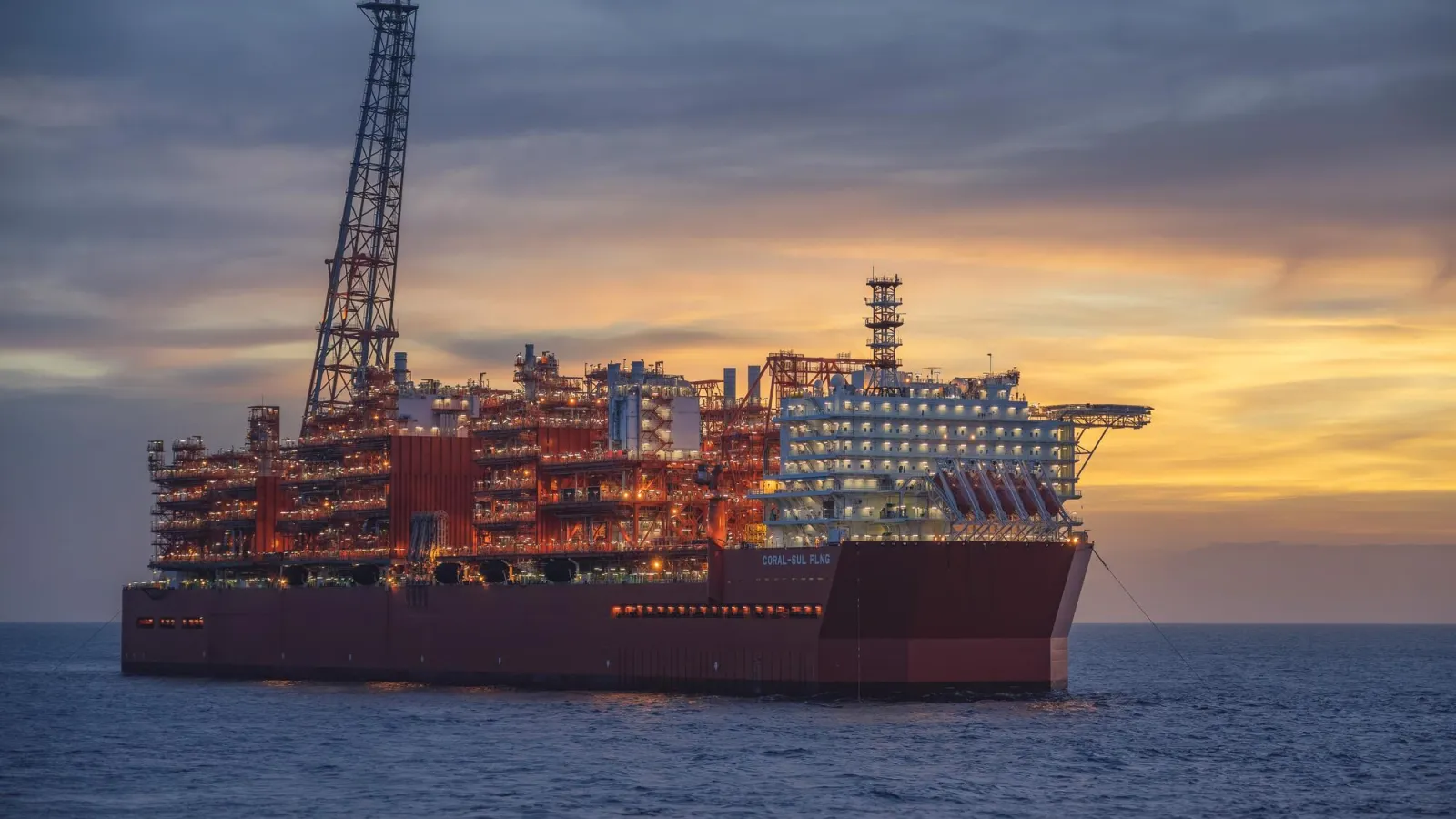
Technip Energies has been awarded an engineering, procurement, construction, installation and commissioning (EPCIC) contract — collectively valued at above €1 billion across all agreements — for the Coral Norte floating liquefied natural gas (FLNG) project off the coast of Mozambique. The contract was awarded by Mozambique Rovuma Venture (MRV) and the project is developed by Eni alongside partners CNPC, ENH, XRG and KOGAS. Technip Energies is acting in a consortium with JGC and Samsung Heavy Industries.
The Coral Norte FLNG vessel is designed to produce approximately 3.6 million tonnes per annum (Mtpa) of LNG. When combined with the existing Coral Sul FLNG — the first project from Mozambique's Area 4 offshore gas block — the two vessels will bring the Coral hub's total nameplate capacity to 7 Mtpa. Technip Energies said the aggregate contract value, including previously announced agreements, was recorded in its Project Delivery segment in Q2 2026. The company did not disclose the split of revenue between the three consortium partners or the contracted project schedule.
The deal
Coral Norte is designed as a close replica of Coral Sul, which is already in operation. Technip Energies describes its methodology as "design one, build many" — a standardised FLNG model that reuses engineering from the predecessor vessel to improve execution predictability and reduce integration risk. The approach is feasible because the two projects share the same deepwater location and feed-gas composition in Area 4.
Chief executive Arnaud Pieton said the award reflects operator confidence in "FLNG execution capabilities and in the performance in operations of Coral South FLNG", adding that the standardised model "can accelerate large-scale offshore project delivery". The contract was categorised as "major" under Technip Energies' internal disclosure taxonomy, meaning it represents more than €1 billion of revenue for the company across all related agreements.
Market context
FLNG — offshore vessels that liquefy natural gas at the wellhead and load it directly onto LNG carriers — remains a capital-intensive, technically complex segment of the global gas industry. Coral Sul, which reached first LNG in 2022, was only the second FLNG vessel in the world to enter production. The replication strategy Technip Energies is deploying on Coral Norte mirrors a broader trend in offshore energy: developers and contractors are under pressure to reduce front-end engineering costs and schedule risk by standardising hull and topsides design wherever reservoir conditions permit.
Mozambique's Area 4 sits within one of East Africa's largest offshore gas accumulations, with recoverable resources running to several trillion cubic feet. The country is competing with established LNG exporters — Qatar, Australia and the United States — for long-term supply contracts in Asian and European markets. European buyers in particular have been seeking to diversify away from pipeline gas since 2022, providing a demand-side incentive for new Atlantic-basin and East African supply. A 7 Mtpa Coral hub would represent a meaningful contribution to that supply diversification, though Mozambique's onshore LNG projects (operated separately by TotalEnergies and ExxonMobil) have faced prolonged delays related to security conditions in the Cabo Delgado region; the offshore Area 4 projects have so far been insulated from those disruptions.
From a capital-markets perspective, large EPCIC awards of this scale are significant revenue-visibility events for engineering contractors. Technip Energies reported €7.2 billion in revenues for 2025; a €1 billion-plus contract therefore represents a material backlog addition. Investors will look for updates on consortium scope allocation, project schedule, and any offtake agreements that Eni and its partners announce for the incremental 3.6 Mtpa of capacity as the project moves through detailed engineering.