
Vallourec targets 10-15% EBITDA from geothermal by 2030
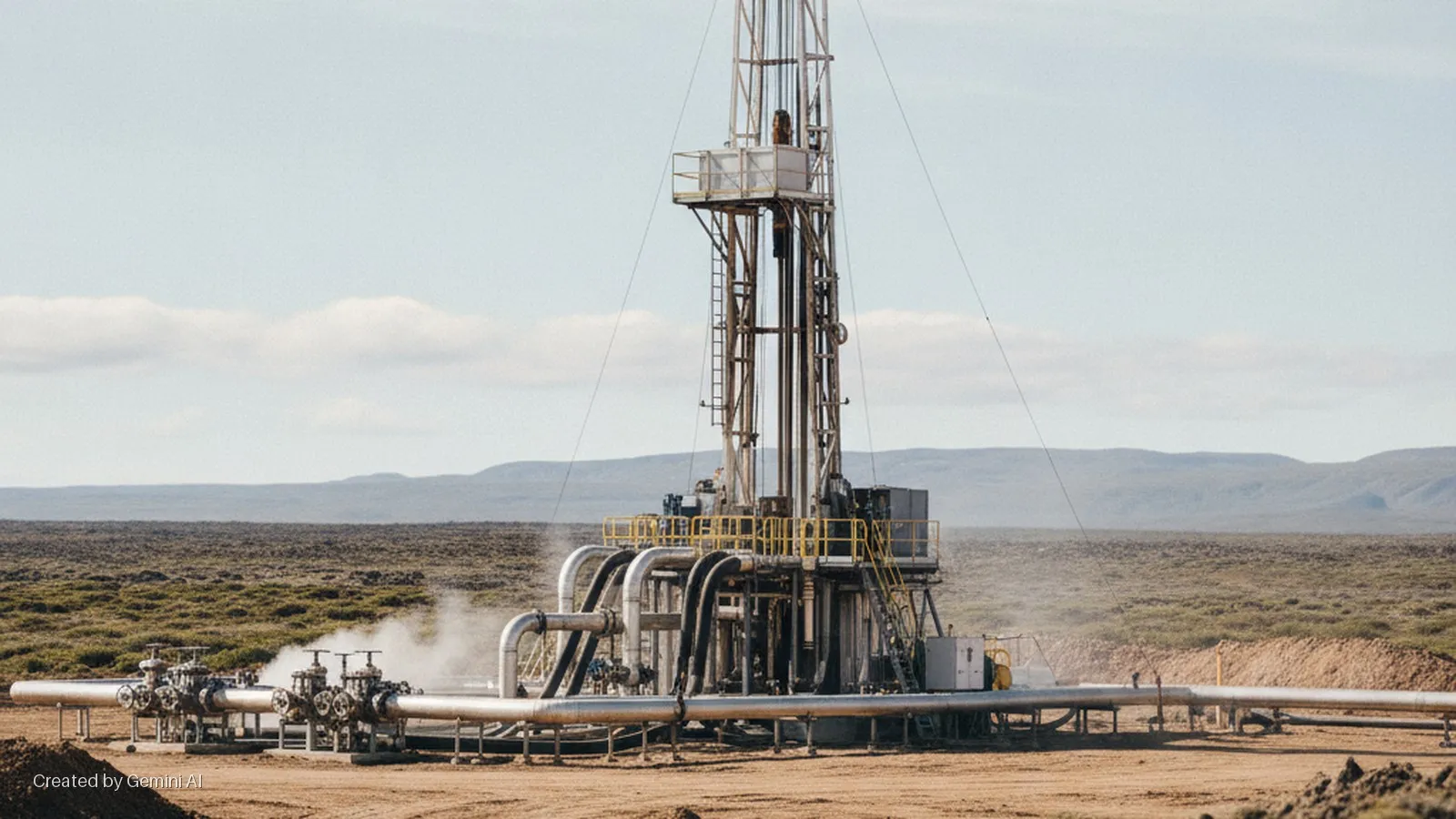
Vallourec, the Euronext-listed maker of premium steel tubes used in oil and gas wells and power plants, has set a formal target for its geothermal business to contribute at least 10 to 15 per cent of group EBITDA (earnings before interest, taxes, depreciation and amortisation) by 2030. The company hosted an investor presentation on 15 June 2026 to outline the strategic rationale, describing geothermal as a key pillar within what it calls its New Energies portfolio.
The French group said its addressable market in geothermal tubular products could approach 400,000 tonnes by the end of the decade, a volume it compares to the entire premium seamless-tube market of South America or Africa today. The company did not disclose a current revenue run-rate for the segment, nor the assumed geothermal-project drilling volumes underpinning the forecast. It named two existing customers: Fervo Energy and XGS Energy, both developers of next-generation geothermal technology, each of which it said placed orders earlier in 2026 to support their project pipelines.
Why geothermal, and why now
Geothermal energy generates electricity from heat extracted from the Earth's crust. Conventional hydrothermal systems, which tap naturally occurring hot water or steam reservoirs, have operated commercially for decades. What is changing is the emergence of enhanced geothermal systems (EGS) and advanced geothermal systems, which use horizontal drilling and stimulation techniques borrowed from oil and gas to unlock heat in dry rock formations far beyond existing hydrothermal fields. The technology dramatically expands the geographic potential of geothermal but requires more complex well engineering and longer-lasting, higher-temperature-rated casing and tubing.
Vallourec's pitch to investors is that its decades of experience in extreme-condition oil and gas tubulars translates directly to this well-design challenge. Geothermal wells operate at higher temperatures and must endure far longer lifetimes than typical hydrocarbon wells, placing tighter demands on corrosion resistance and connection integrity. Chief executive Philippe Guillemot described the company as "well positioned to support the deployment of next-generation geothermal projects while driving profitable growth and value creation."
Market context and capital landscape
Demand for firm, dispatchable clean electricity, power that can be called on around the clock rather than generated only when the sun shines or wind blows, is intensifying as AI data centres, industrial electrification and electric vehicle charging raise baseline grid loads. Geothermal fits this profile better than solar or wind and is attracting capital accordingly. In the United States, Fervo Energy and Quaise Energy have drawn venture and strategic investment; in the UK, Iceland Drilling and Eavor Technologies have targeted European markets. The US Inflation Reduction Act's investment tax credit and geothermal-specific provisions under the Energy Act of 2020 support project economics on the demand side.
Vallourec's play is a supply-chain rather than a project-development position: it supplies the tubular goods that every geothermal well requires, regardless of which developer or technology wins. This positions the business closer to an oilfield-services model than to a pure-play clean-energy developer, with revenue tied to drilling activity rather than power prices or offtake contracts.
The company's EBITDA target implies meaningful revenue growth in the segment, but investors will note that the 400,000-tonne addressable market figure is forward-looking and contingent on next-generation geothermal scaling as projected. The presentation slides were made available on Vallourec's investor-relations page; the company did not provide a current segment revenue figure or a margin range for its geothermal business at the time of this release.