
EarthOptics names James Clement III Chief Growth Officer

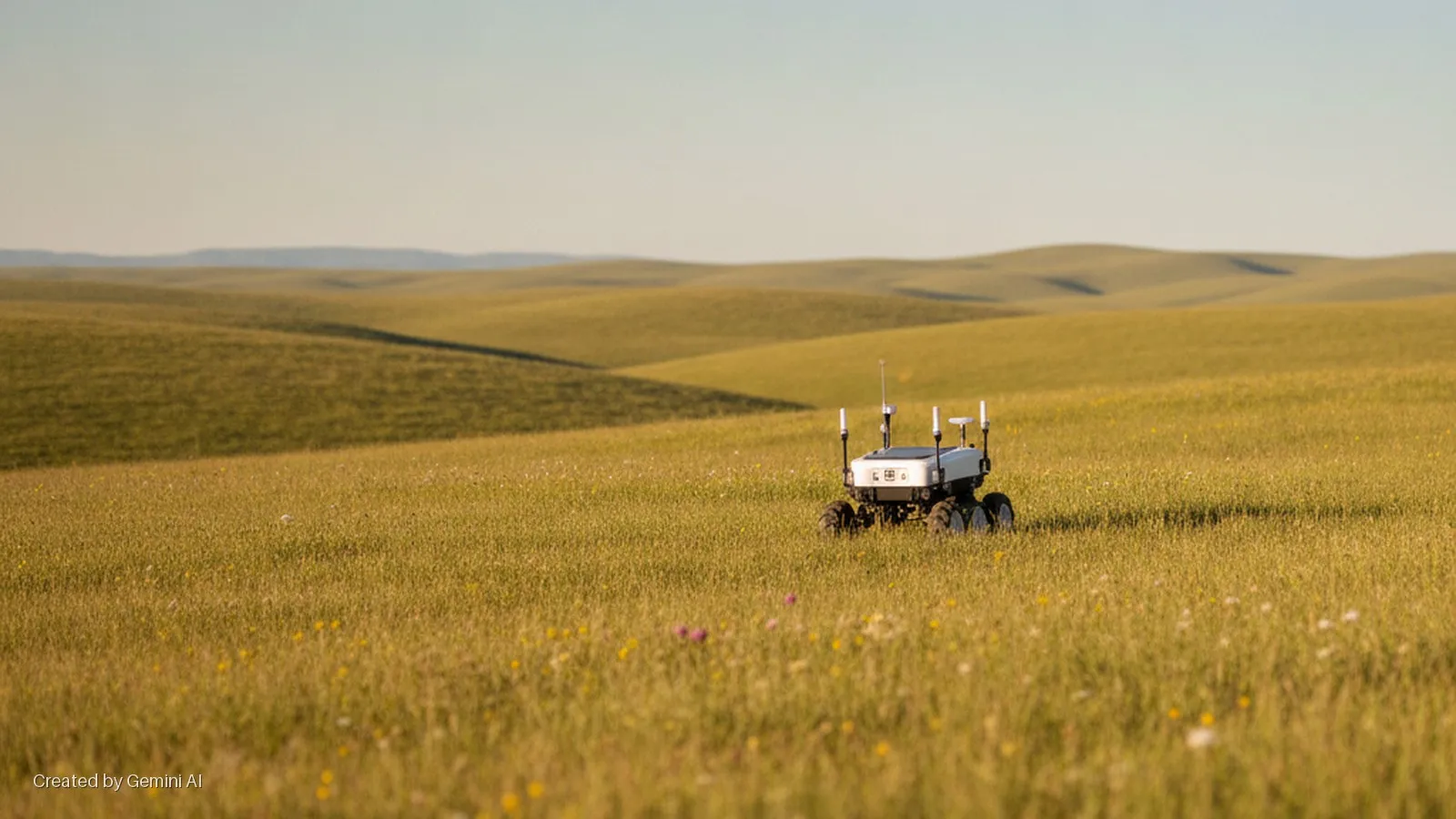
EarthOptics has promoted James Clement III to Chief Growth Officer and President of Grass and Rangeland, expanding his remit from leading the company's working-lands business unit to shaping its broader commercial strategy. The Minneapolis-based soil-sensing company positions the appointment as a signal of its intent to deepen ties with agricultural producers and build new revenue streams linked to land stewardship.
Clement brings an unusual profile to an agri-tech executive role. A South Texas rancher from two multigenerational ranching families, he previously held the position of Land Resource Manager at King Ranch, where his portfolio included renewable energy, carbon projects and environmental management. He also serves as an officer in the US Marine Corps Reserve. His own cattle operation, Bloody Buckets Cattle Company, was named the 2026 Region IV Environmental Stewardship Award winner by the National Cattlemen's Beef Association.
Lars Dyrud, chief executive of EarthOptics, described Clement as carrying "deep credibility with producers, firsthand understanding of working lands and a clear vision for how technology can create real economic value for landowners."
Market context
EarthOptics operates in a fast-growing but commercially unsettled corner of the agricultural technology market. The company uses soil-sensing hardware, genomics and data science to give farmers and ranchers detailed profiles of their soil's chemical, physical and biological properties. It also describes itself as the leading carbon measurement company in the US, providing verified soil-carbon data to support voluntary carbon market transactions.
That positioning matters. Soil carbon is one of the more contested methodologies in the voluntary carbon market. Buyers increasingly demand high-quality measurement, reporting and verification, and soil-based credits have faced scrutiny over permanence and additionality. Accurate, sensor-driven soil data is therefore both a product and a credibility asset. Competitors in the precision-soil and carbon-measurement space include companies such as Yard Stick and Regrow, alongside larger agri-tech platforms that have added soil-health modules to existing crop-management tools.
The grass and rangeland segment is distinct from row-crop agriculture in scale and in its relationship to carbon markets. Grazing lands cover a vast area in North America and represent a significant potential carbon sink, but the heterogeneity of rangeland soils makes measurement harder and costlier than in tilled cropland. A commercially credible measurement platform targeting this segment has obvious value to both producers seeking carbon-market revenues and to corporate buyers sourcing nature-based offsets.
Outlook
Clement's appointment is primarily a personnel announcement and carries no disclosed funding, commercial deal or capacity milestone. Its market relevance rests on EarthOptics' stated ambition to connect soil-intelligence data to new revenue streams for landowners, at a moment when both voluntary carbon markets and federal conservation programmes are channelling capital toward working-lands stewardship.
The company did not disclose revenue figures, a client count, contracted carbon volumes, or any fundraising alongside this announcement. Investors and offtakers will be watching for EarthOptics to demonstrate the verifiability of its soil-carbon methodology at scale, as that underpins its core commercial proposition in both the agri-tech and environmental-markets segments. Clement is scheduled to speak at industry events this autumn, including the Soil Carbon Summit 2026.