
Easy Environmental Solutions posts $2m revenue in fiscal 2026

Easy Environmental Solutions (OTC: EZES), a Mankato, Minnesota-based developer of agricultural and waste-management technologies, has reported fiscal 2026 revenue of $2,004,182, up from $387,605 in fiscal 2025, a rise of approximately 417%. The unaudited consolidated results, published on 31 August 2026, also showed a narrowing of the company's net operating loss to $382,317 from $917,031 and a swing to positive operating cash flow of $49,673, compared with $1.26 million used in operations the prior year.
The figures cover the twelve months to 31 May 2026 and reflect both acquired revenue streams and the company's own commercialisation activity. EZES itself cautions that the multi-year revenue progression "should not be interpreted as entirely organic growth," having built its consolidated base through acquisitions of majority and then minority interests in three operating subsidiaries over fiscal 2024 and 2025.
EasyFEN Africa deployment
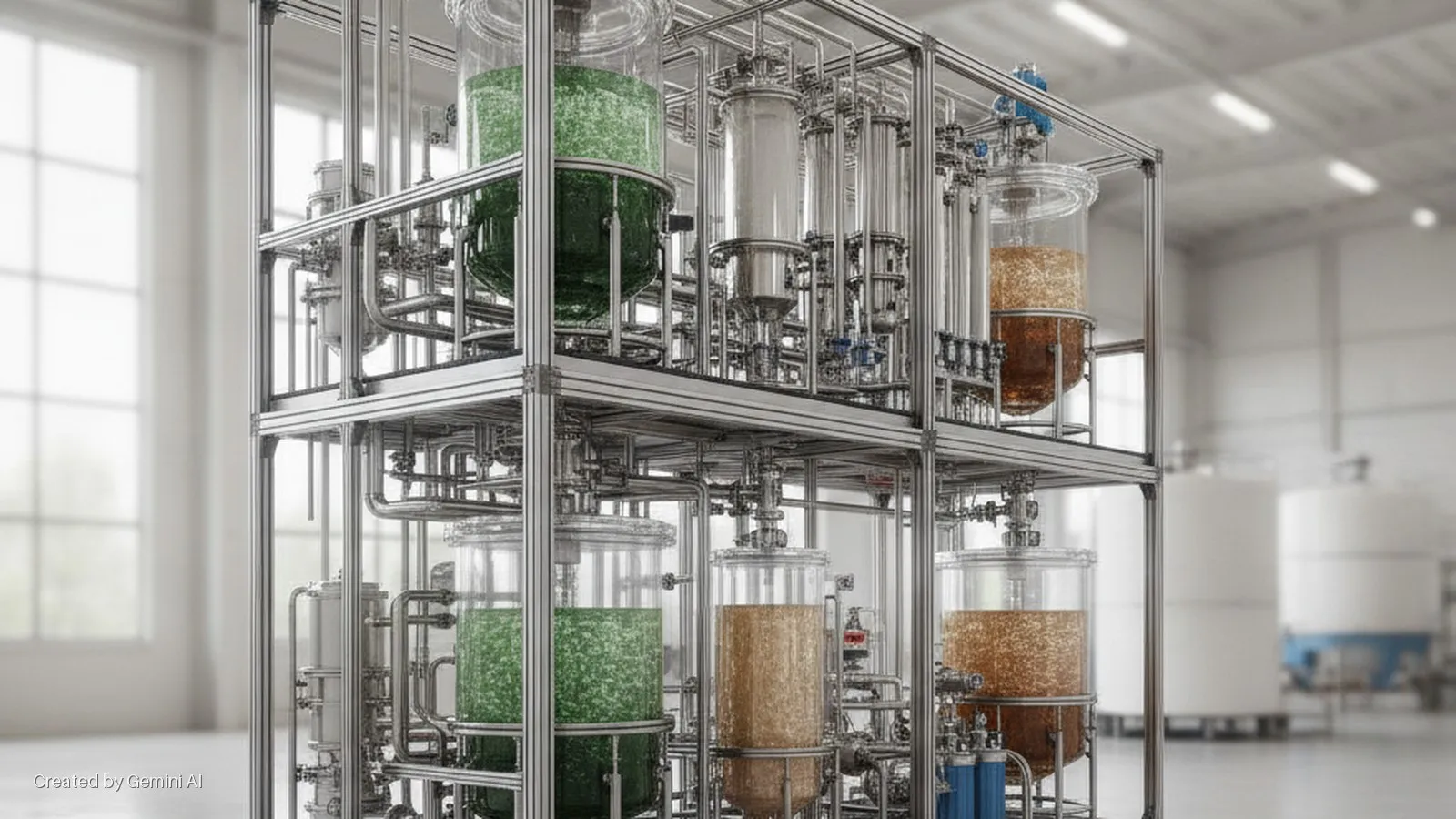
The company's most concrete near-term milestone is its first EasyFEN modular production system, intended for delivery to an unnamed customer in Africa. EZES said testing and demonstration of the unit were completed after its 31 May fiscal year-end, with the system being prepared for shipment as of the 28 August evaluation date. EasyFEN is described as a platform that converts locally available organic material into biologically based agricultural inputs, a category that includes biofertilisers and soil-conditioning products.
A portion of the revenue from the African customer transaction was recognised in fiscal 2026, with additional revenue to follow in the subsequent reporting period once testing was complete. The company did not disclose the contract value, the volume of product to be supplied, or the identity of the customer or receiving country.
Chief executive Mark Gaalswyk said: "The completion of testing and demonstration of our first EasyFEN system intended for an African customer provides another encouraging example of that progress."
Market context and risks
EZES sits at the intersection of two broader cleantech themes: biological inputs for agriculture, which compete with synthetic fertilisers on carbon-intensity and cost, and distributed organic-waste processing, which can close nutrient loops in regions with limited infrastructure. The company's broader portfolio also includes Terreplenish, a soil-treatment product, and Modular Energy Production Systems (MEPS), which targets distributed energy generation from organic feedstocks.
At $2 million in annual revenue and with going-concern language present in its disclosures, EZES remains a very early-stage commercial operator by the standards of institutional cleantech investment. The company's own liquidity disclosure notes that its ability to continue as a going concern depends on continued funding from its CEO founder and other investors, or generating profitable operations. That caution is material context for any reader evaluating the headline revenue growth figure.
The agricultural biologicals market has attracted significant capital globally, with larger players including established agrichemical companies and well-funded startups pursuing biological nitrogen fixation, biostimulants and precision fermentation. EZES's modular, distributed approach targets markets where centralised supply chains are constrained, particularly sub-Saharan Africa, which faces both fertiliser import dependency and growing soil-health challenges.
Outlook
Near-term milestones to watch include confirmation of the EasyFEN Africa shipment and installation, recognition of the deferred revenue from that transaction, and any disclosure of additional customer contracts that would signal whether the fiscal 2026 revenue level can be sustained or grown. The company has not provided forward guidance figures. Investors should review the complete annual report and accompanying going-concern notes before drawing conclusions from the headline revenue growth.