
Syngenta takes exclusive European rights to Amoéba biofungicide

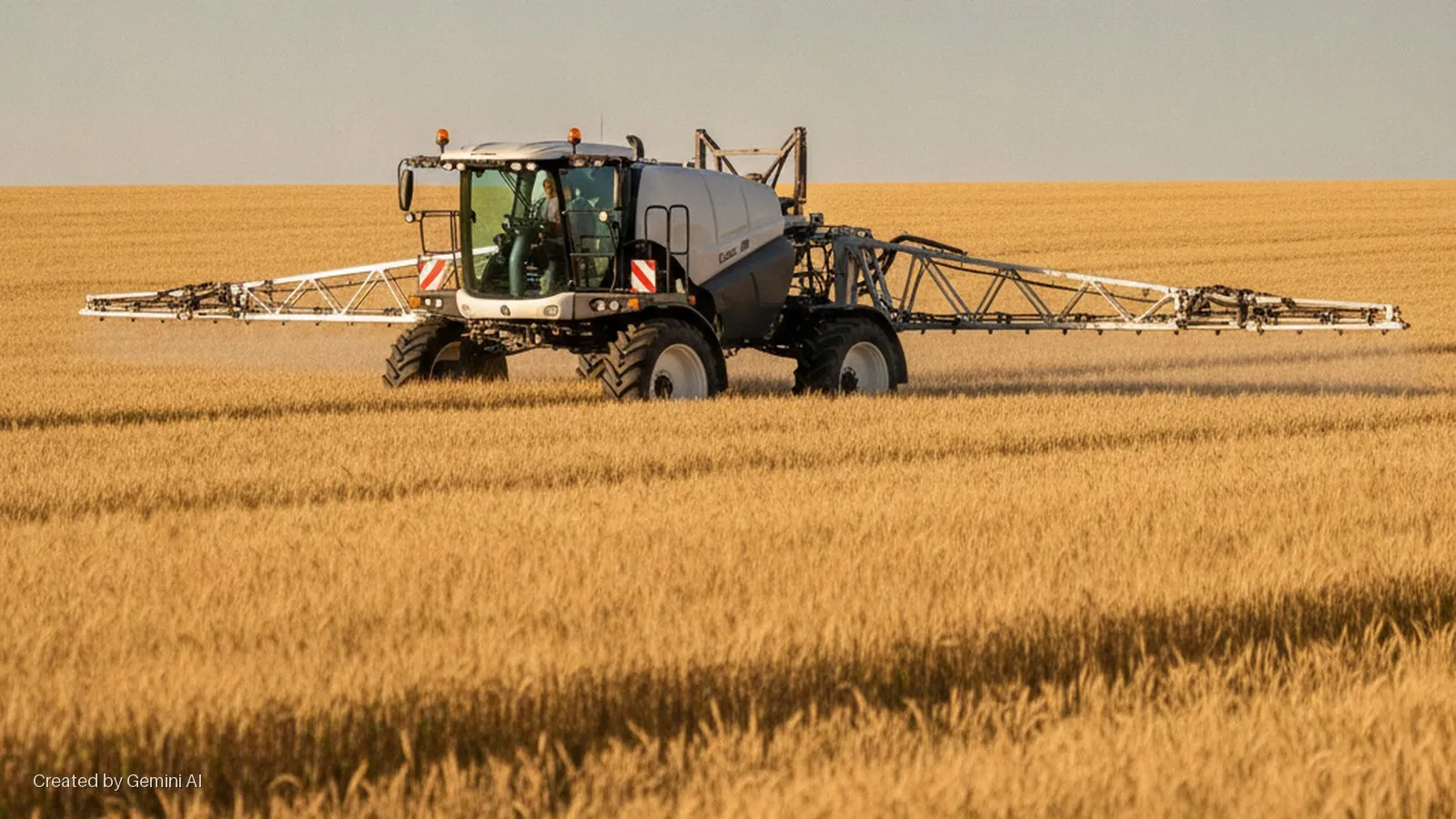
Syngenta Crop Protection and French biocontrol company Amoéba have converted their November 2025 memorandum of understanding into a binding exclusive supply and distribution agreement for a next-generation biofungicide, designated AXP20. Under the deal, Syngenta holds exclusive distribution rights for all cereals except corn across the EU-27, the United Kingdom, Ukraine, and Switzerland. First market registrations are targeted for the third quarter of 2028, with initial sales in core EU markets expected by the end of that year and farmer applications commencing in spring 2029.
AXP20 is derived from a lysate of the single-celled amoeba Willaertia magna C2c Maky, which received EU regulatory approval in 2025 following assessment by the European Food Safety Authority (EFSA). In June 2026, Amoéba obtained a French marketing authorisation for AXPERA, the commercial formulation based on the same active substance, which the company says opens the path for other member states to finalise national approvals. The product will be commercialised under a Syngenta trademark that has yet to be confirmed pending regulatory clearance.
The deal
The primary target diseases are septoria tritici blotch, caused by the fungus Zymoseptoria tritici, and yellow rust, caused by Puccinia striiformis. Together these pathogens are estimated to affect nine to twelve million hectares of European cereal crops each year. In Germany alone, septoria is reported to cost farmers up to €1.5 billion annually through yield losses of five to fifty per cent, while yellow rust can reduce yields by ten to seventy per cent and cause total crop failure in susceptible varieties. Both figures come from Amoéba's release and have not been independently verified here.
The companies are running more than 70 joint field trials in 2026 to support the regulatory dossier. The product's mechanism works primarily by inhibiting fungal spore germination and, according to the release, also activates the plant's own defences. The Fungicide Resistance Action Committee (FRAC) classifies the lysate in Group BM02, its category for biologicals with multiple modes of action, indicating a low resistance-development risk, a commercially significant attribute given that resistance to conventional fungicide chemistry is a growing constraint.
Matthew Pickard, Syngenta's head of Seedcare and Biologicals for Europe, said the biofungicide arrives as conventional crop protection faces "mounting regulatory and resistance headwinds", positioning it as a timely addition to the company's portfolio.
Market context
The biocontrol fungicide market is at an inflection point. European regulation has progressively withdrawn conventional active substances under the EU's pesticide legislation, narrowing the toolbox available to cereal growers and creating a pull market for biological alternatives. Several agribusiness majors and specialist biocontrol companies, including BASF, Corteva and Marrone Bio, have been expanding biological portfolios through acquisitions and licensing deals over the past three years. Amoéba, listed on Euronext Growth, is a smaller specialist competing in this space with a single active substance platform.
The agreement gives Syngenta a product it says is capable of protecting more than one million hectares of cereals across its European footprint. No financial terms were disclosed: neither a supply price per unit, a minimum volume commitment, nor an upfront payment or milestone structure was mentioned in the release. The absence of deal economics limits an assessment of the commercial value to either party at this stage.
Policy path
EU pesticide policy is the structural driver behind this transaction. The Farm to Fork strategy's ambition to reduce chemical pesticide use by fifty per cent by 2030 has accelerated national withdrawals of conventional fungicides and created regulatory incentive for biological alternatives. The EU's biocontrol authorisation pathway, under which EFSA assessed Willaertia magna C2c Maky, is designed to fast-track lower-risk substances. National registration timelines across EU member states remain the main near-term variable: France's approval of AXPERA in 2026 serves as the anchor dossier for mutual-recognition applications elsewhere, and the pace of those approvals will determine whether Syngenta can hit its 2028 launch schedule.