
Algoma Steel publishes 2025 report marking EAF switch-over
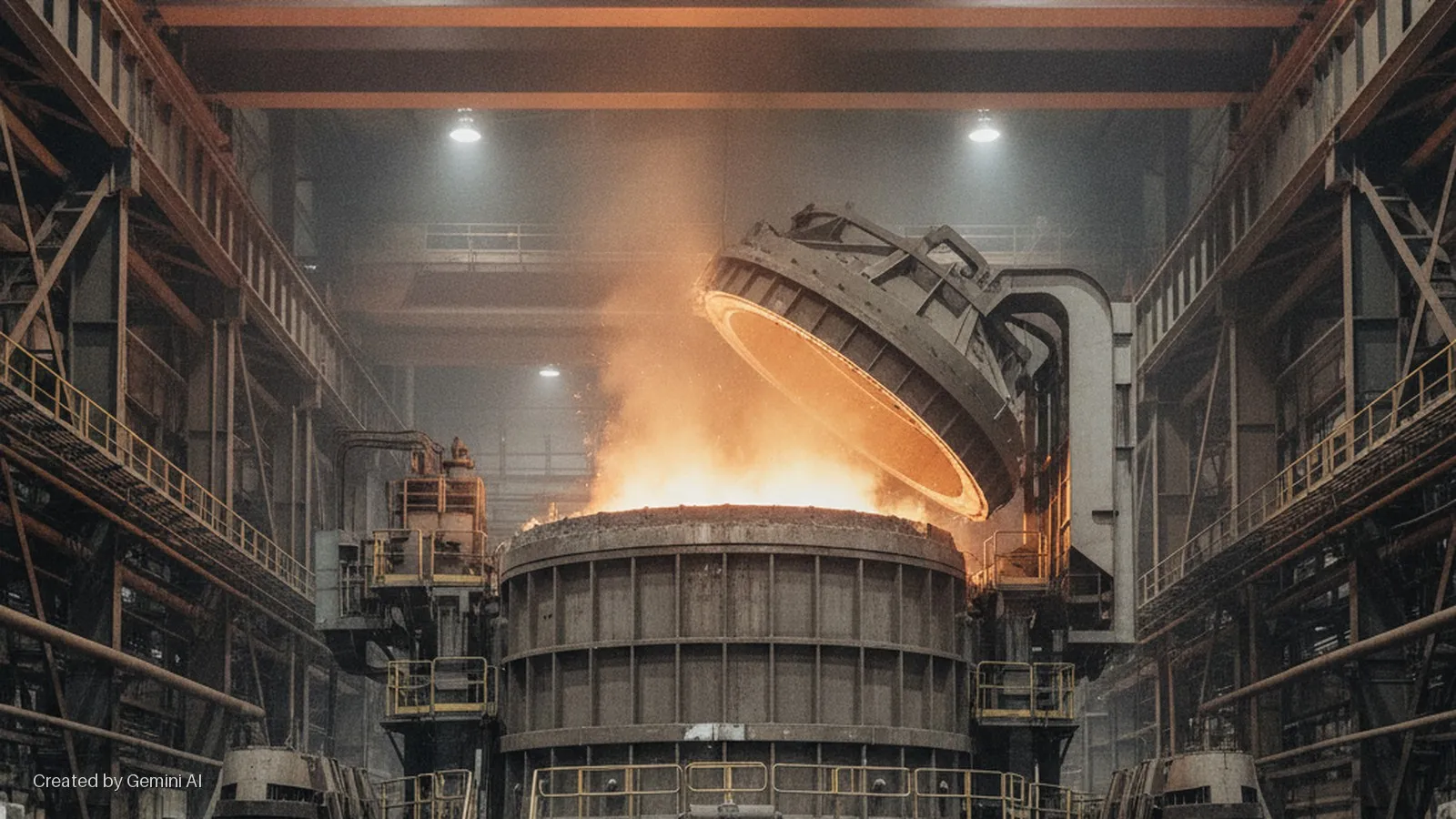
Algoma Steel Group has released its 2025 Sustainability Report, coinciding with what the NASDAQ- and TSX-listed company describes as the most significant operational change in its 125-year history: the commissioning of its first electric arc furnace (EAF) and the subsequent shutdown of its legacy blast furnace and coke-making assets.
The first EAF unit came online in July 2025, beginning production of Algoma's newly branded Volta™ lower-carbon steel. Construction of a second EAF unit is said to be on track for commissioning in 2026. In January of this year the company ceased operating Blast Furnace No. 7 and began decommissioning its cokemaking plant, completing what Algoma positions as Canada's largest industrial decarbonisation project. Once both EAF units are fully ramped, the company says it targets a reduction in carbon emissions intensity of approximately 70% against its former blast-furnace baseline.
Chief executive Rajat Marwah said the report "reflects a pivotal year" and that sustainability remains "central to how we operate and how we create long-term value." The report is prepared in alignment with the Sustainability Accounting Standards Board (SASB) framework and the Task Force on Climate-related Financial Disclosures (TCFD).
The EAF transition in context
The shift from blast-furnace to EAF steelmaking is the dominant decarbonisation pathway available to integrated steel producers today. Blast furnaces combust metallurgical coal as both fuel and reductant; EAFs melt scrap or direct-reduced iron using electricity, dramatically reducing Scope 1 emissions when the grid is low-carbon. Algoma benefits from Ontario's relatively clean electricity mix, which draws heavily on nuclear and hydropower, making the emissions case for EAF steelmaking in Sault Ste. Marie structurally stronger than in coal-heavy grids.
Globally, several large producers — including European majors investing in green hydrogen-based direct reduction — are pursuing similar transitions, though most are still at the planning or early-build stage. Algoma's reported commissioning in 2025 places it among a small cohort of producers that have actually completed the switchover at commercial scale in this cycle.
Capital and policy landscape
The economics of the Algoma transition are material but not fully disclosed in the sustainability report release. The capital cost of EAF conversion at this scale typically runs into the hundreds of millions of dollars; Algoma's prior filings referenced C$700 million in EAF capital investment, though the release does not restate a final figure. The company is dual-listed and faces the additional variable of North American steel trade policy — tariffs and countervailing duties — which it acknowledges as part of a "challenging trade environment" in 2025.
From a policy read-across, Canada's carbon pricing regime under the Output-Based Pricing System creates a direct financial incentive to reduce emissions intensity, rewarding producers that fall below their sector benchmark. A 70% cut in emissions intensity, if verified, would substantially improve Algoma's carbon cost position relative to competitors still operating blast furnaces. The company does not disclose its carbon credit position or the dollar value of that improvement in the release.
Investors tracking the green-steel supply chain — including automakers, shipbuilders and energy-sector plate buyers named in Algoma's customer base — will look for audited emissions-intensity figures and confirmation of the second EAF commissioning timeline as the key near-term milestones.