
Green Manganese moves to RecycLiCo Innovation Centre for pilot scale-up
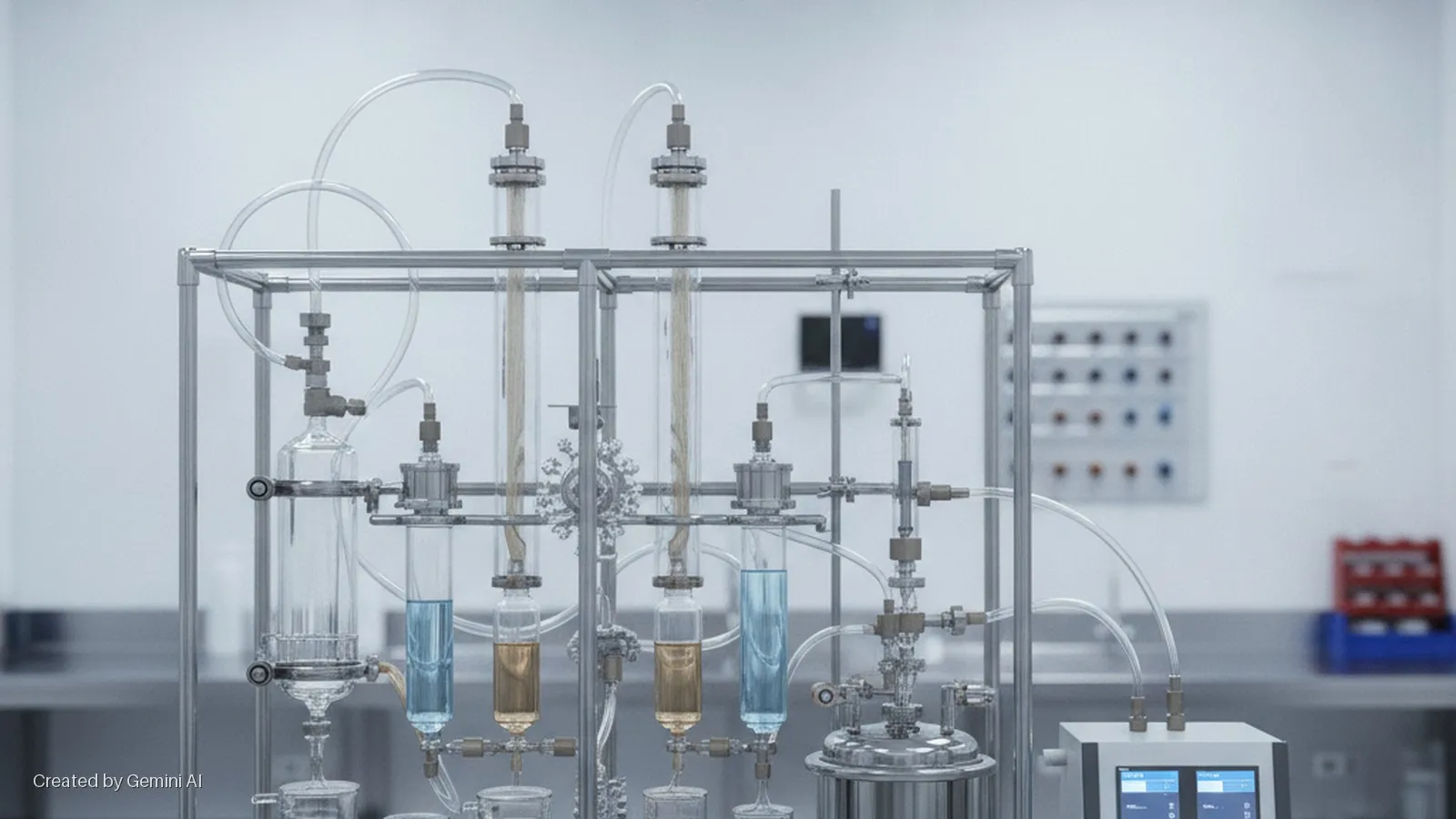
Green Manganese Technologies has relocated its laboratory operations to the RecycLiCo Battery Materials Innovation Centre in Delta, British Columbia, under a fee-for-use arrangement that gives the manganese-recovery startup access to bench-scale and pilot-plant infrastructure without the capital outlay of building its own facility.
The move is framed as a preparatory step before Green Manganese deploys its own pilot plant. The company is developing a low-carbon hydrometallurgical process — a wet-chemistry refining route — to recover high-purity manganese from mining tailings and industrial waste, targeting domestic supply for both the battery and steel industries. No timeline for the pilot plant deployment, no capital budget, and no off-take or commercial partnership were disclosed in the announcement.
The arrangement
RecycLiCo Battery Materials (TSX-V: AMY; OTCQB: AMYZF) operates the Innovation Centre as a revenue-generating platform, hosting third-party developers on a fee-for-service basis. The facility is described as purpose-built for critical-mineral processing, combining laboratory testing with the industrial-grade infrastructure needed to run hydrometallurgy experiments at demonstration scale. Richard Sadowsky, chief executive of RecycLiCo, said the Centre is "built to provide innovators in the critical minerals space with an environment where they can move quickly from development to demonstration."
For Green Manganese, the principal benefit is reduced process-modelling timelines: access to an established hydrometallurgy environment removes the delay — and cost — of commissioning new lab space, allowing the team to focus on process optimisation. Alexey Demykin, chief executive of Green Manganese, said the move "enables us to accelerate our development timeline, validate our process at pilot scale, and take a major step toward commercialisation."
Market context
Manganese is a critical mineral for both steelmaking and lithium-ion battery cathodes, particularly in lithium-manganese-iron-phosphate (LMFP) chemistries that are gaining ground as a lower-cost alternative to nickel- or cobalt-heavy formulations. North American supply chains for manganese remain heavily import-dependent, with the bulk of global refined output concentrated in China and South Africa. That dependency has become a policy concern: both the US Inflation Reduction Act's critical-minerals provisions and Canada's Critical Minerals Strategy prioritise domestic processing capacity to qualify battery materials for electric-vehicle tax credits and supply-chain resilience programmes.
Several early-stage companies are pursuing domestic manganese refining, including recovery from tailings and secondary sources — a route that avoids new mining permits and can carry a lower environmental footprint. The technology is, however, still pre-commercial at meaningful scale, and the gap between bench chemistry and bankable production capacity remains wide. Infrastructure-sharing models, such as the fee-for-use arrangement Green Manganese has entered, are one way capital-light developers manage that transition.
What to watch
Green Manganese has not disclosed a funding position, a named customer, or a timeline for reaching pilot-scale throughput. The next meaningful milestones for investors and procurement leads will be: a confirmed pilot plant deployment date, a named off-taker or development partner in the battery or steel supply chain, and any indication of the purity and recovery-rate targets the process must hit to be commercially viable. RecycLiCo, meanwhile, adds a fee-revenue stream and a technology-development partner to its Innovation Centre, broadening its position in the domestic critical-minerals ecosystem.