
Nth Cycle signs Glencore offtake for Project SHIELD battery refinery

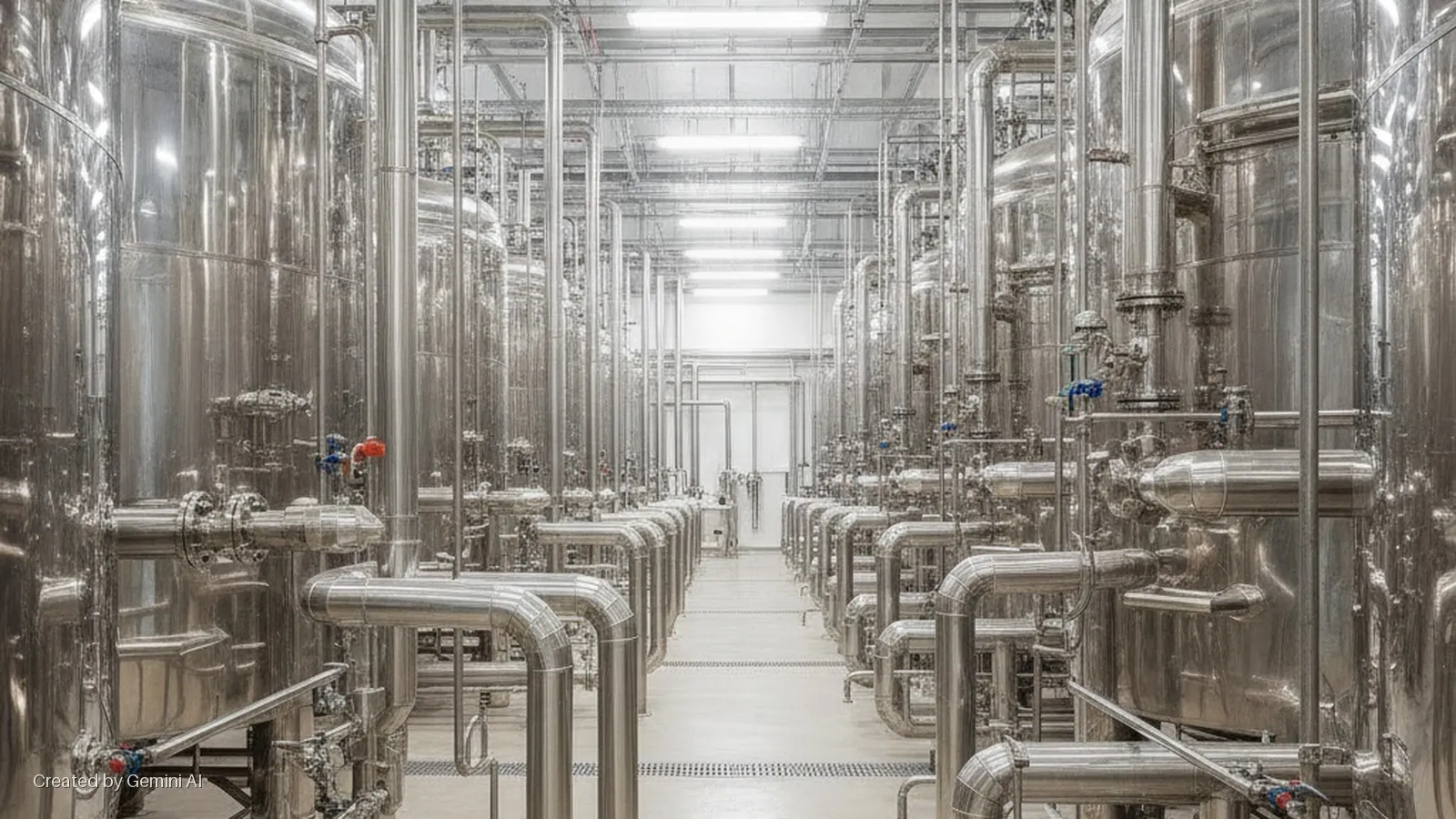
Nth Cycle, a Massachusetts-based critical minerals refining company, has signed a binding term sheet with commodities giant Glencore for its planned Project SHIELD battery materials refinery. The deal is structured around two interlinked flows: Glencore will supply 100% of the black mass feedstock the facility requires, drawn from its commercial network and existing US shredding operations, and will then take the refined output to market under an offtake arrangement covering mixed hydroxide product (MHP) and battery-grade lithium carbonate. The parties put the projected 10-year value of the arrangement at over $1 billion, based on pricing forecasts from the second quarter of 2026.
Black mass is the term for the shredded material recovered from end-of-life lithium-ion batteries. It contains valuable metals including cobalt, nickel, manganese and lithium but requires further refining before it can re-enter battery manufacturing. Nth Cycle says its proprietary OYSTER electroextraction system converts black mass and other industrial feeds into refined battery materials at lower capital intensity and with lower emissions than conventional hydrometallurgical routes. The company is planning to use an existing, already-developed Glencore site in the United States for Project SHIELD, which it says could accelerate the build-out timeline.
The deal
With the Glencore term sheet in place, Nth Cycle says it now holds binding agreements covering 100% of its projected feedstock and offtake needs for Project SHIELD. The partnership also includes a provision for joint exploration to deploy the OYSTER system for black mass refining in Europe, as well as copper and rare earth recovery on a broader global basis. Definitive agreements on black mass supply and product offtake are targeted for signature by the end of 2026.
Megan O'Connor, chief executive and co-founder of Nth Cycle, described the agreement as "another significant step forward" for domestic critical mineral supply chains, citing Glencore's global marketing network as a route to guaranteed feedstock and market access. Jyothish George, Glencore's head of marketing for metals and bulks, said the arrangement "helps close the loop in the supply of critical minerals" for US customers.
Market context
The deal lands at a moment of heightened policy focus on battery-material supply chains in the United States. The release cites two specific policy tailwinds: recent US export controls on black mass, which restrict the flow of this material to foreign refiners and create a more captive domestic processing opportunity, and a $100 million grant Nth Cycle has been selected for by the Department of Energy's Office of Critical Minerals and Energy Innovation. Both measures reflect a broader federal push to reduce dependence on non-allied processing capacity, particularly Chinese hydrometallurgical facilities that currently dominate global black mass refining.
Nth Cycle is also in the process of going public via a business combination with Kensington Capital Acquisition Corp. VI, a special purpose acquisition company listed on the New York Stock Exchange. The combined entity is expected to trade under the ticker "NTH." That transaction is subject to Kensington shareholder approval, with a Form S-4 registration statement filed with the US Securities and Exchange Commission in September 2026.
Policy path
Critical mineral recovery sits at the intersection of the Inflation Reduction Act's domestic-content requirements, which incentivise US-sourced and US-processed battery materials for electric vehicle tax credits, and the broader industrial-policy push underpinning the Department of Energy grant. The binding nature of the Glencore term sheet should strengthen Nth Cycle's position in any project financing discussions, given that feedstock supply and product offtake are typically the two hardest commercial risks to mitigate for a first-of-kind refining facility.
Key milestones to watch include the execution of definitive agreements by year-end, the completion of the Glencore site assessment, and the outcome of the SPAC shareholder vote on the business combination.