
PureCycle and StackTeck prove recycled PP viable in living hinge caps
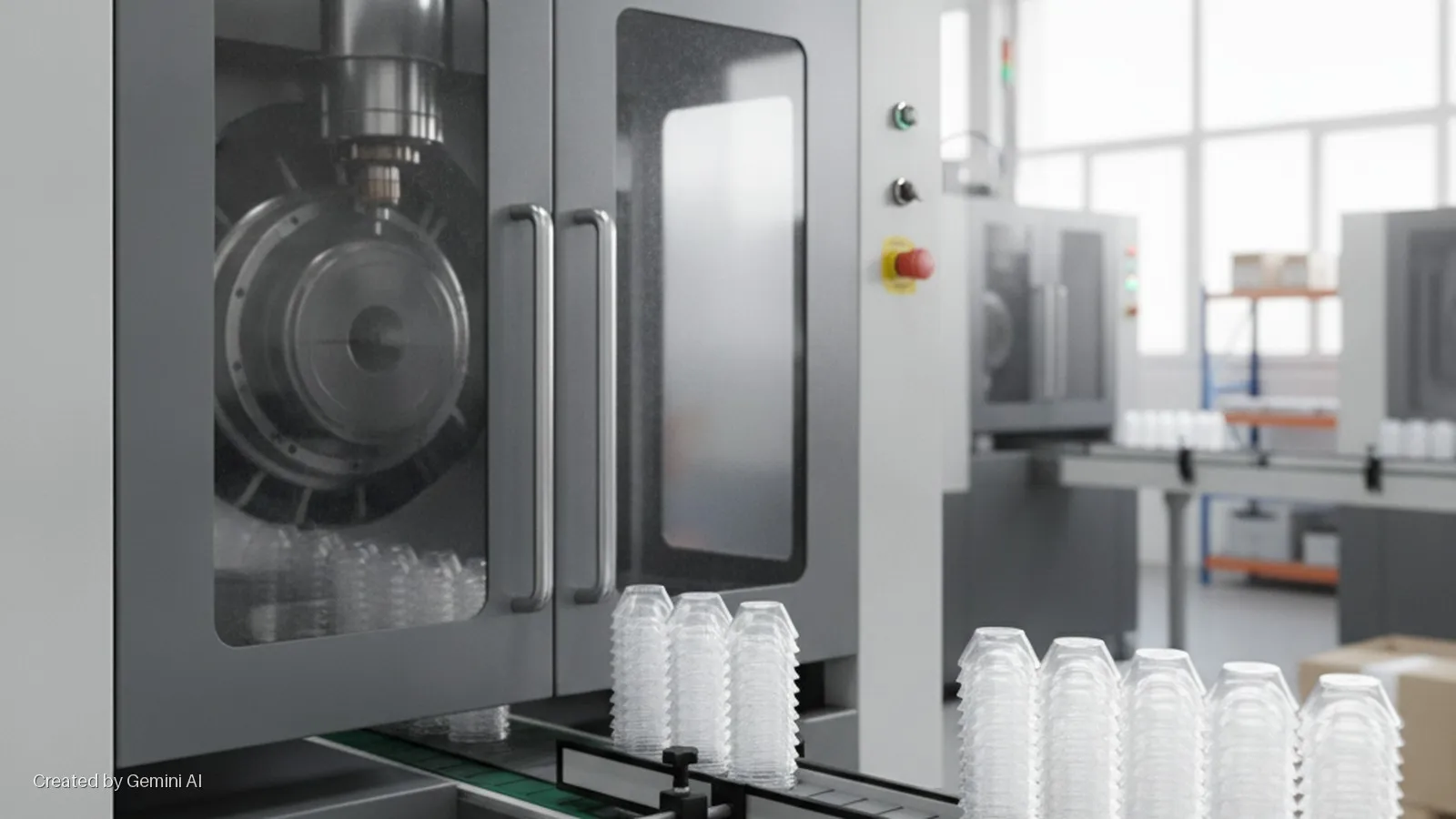
PureCycle Technologies (NASDAQ: PCT) and Canadian mould-maker StackTeck Systems have jointly produced a living hinge cap using up to 100% post-consumer recycled polypropylene (PP), demonstrating that PureCycle's PureFive® resin can withstand the mechanical demands of one of plastics packaging's most technically challenging applications. The caps — produced using both PureFive Ultra™ and PureFive Choice™ grades — passed living hinge fatigue testing and dimensional tolerances equivalent to those achieved with virgin PP, the companies said.
Living hinges, the thin flexible sections that allow a cap to open and close repeatedly without fracturing, are considered a worst-case test for any polypropylene resin: the polymer must sustain hundreds of flex cycles without cracking or delaminating. Until now, the industry has generally assumed virgin PP is required to meet those specifications. The successful demonstration, if it holds at commercial scale, would allow brand owners in food, beverage, personal care and household-products markets to incorporate recycled content into applications they previously excluded from their recycled-content programmes.
The technology
PureCycle's process is a dissolution-based physical recycling route, licensed from Procter & Gamble, that removes colour, odour, additives and other contaminants from post-consumer polypropylene waste — the plastic designated #5 — to produce a resin the company says performs comparably to virgin material. PureFive® resin carries APR (Association of Plastics Recyclers) certification for post-consumer recycled content and meets US FDA standards for food-contact applications, both of which are conditions that many incoming US state-level regulations are expected to require.
StackTeck, headquartered near Toronto, contributed precision tooling and caps-and-closures mould expertise to optimise processing conditions and part geometry for the recycled resin. The two companies did not disclose commercial terms, production volumes, or named brand-owner customers for the living hinge application; the release is framed as a qualification milestone rather than a commercial launch.
Market context
The demonstration arrives at a moment when brand owners face increasing regulatory and investor pressure to raise post-consumer recycled content across their packaging portfolios. The EU Packaging and Packaging Waste Regulation (PPWR), currently moving through final adoption, sets mandatory PCR content thresholds for plastics packaging, while several US states have enacted or are drafting extended producer responsibility (EPR) rules that reward — or in some cases require — verified recycled content. Living hinges and closures have historically been a gap in brands' PCR compliance strategies precisely because of the performance constraints PureCycle and StackTeck are now claiming to address.
The advanced recycling sector — which includes dissolution processes such as PureCycle's alongside chemical depolymerisation routes pursued by competitors — has attracted significant capital over the past five years but has struggled to reach nameplate capacity at commercial scale. PureCycle's first commercial facility, the Ironton plant in Lawrence County, Ohio, has faced certification and operational delays; the company is also developing plants in Antwerp, Belgium, Augusta, Georgia, and Thailand. Investors will watch whether the living hinge qualification translates into signed offtake agreements with named brand customers and how quickly PureCycle can supply meaningful volumes from its operating facility.
Policy path
US recycled-content regulations are converging with EU mandates to create structural demand for certified PCR polypropylene, particularly in food-contact and personal-care packaging. APR certification and FDA food-contact clearance — both of which PureFive® carries — are increasingly table-stakes for procurement conversations with major consumer-goods companies. The question for PureCycle's investors is whether the company can scale supply fast enough to capture the demand its qualification work is creating, and at a margin that supports its balance sheet through the build-out of the Planned Facilities.