
PureCycle Thailand wins FastPass status for Rayong PP recycling plant
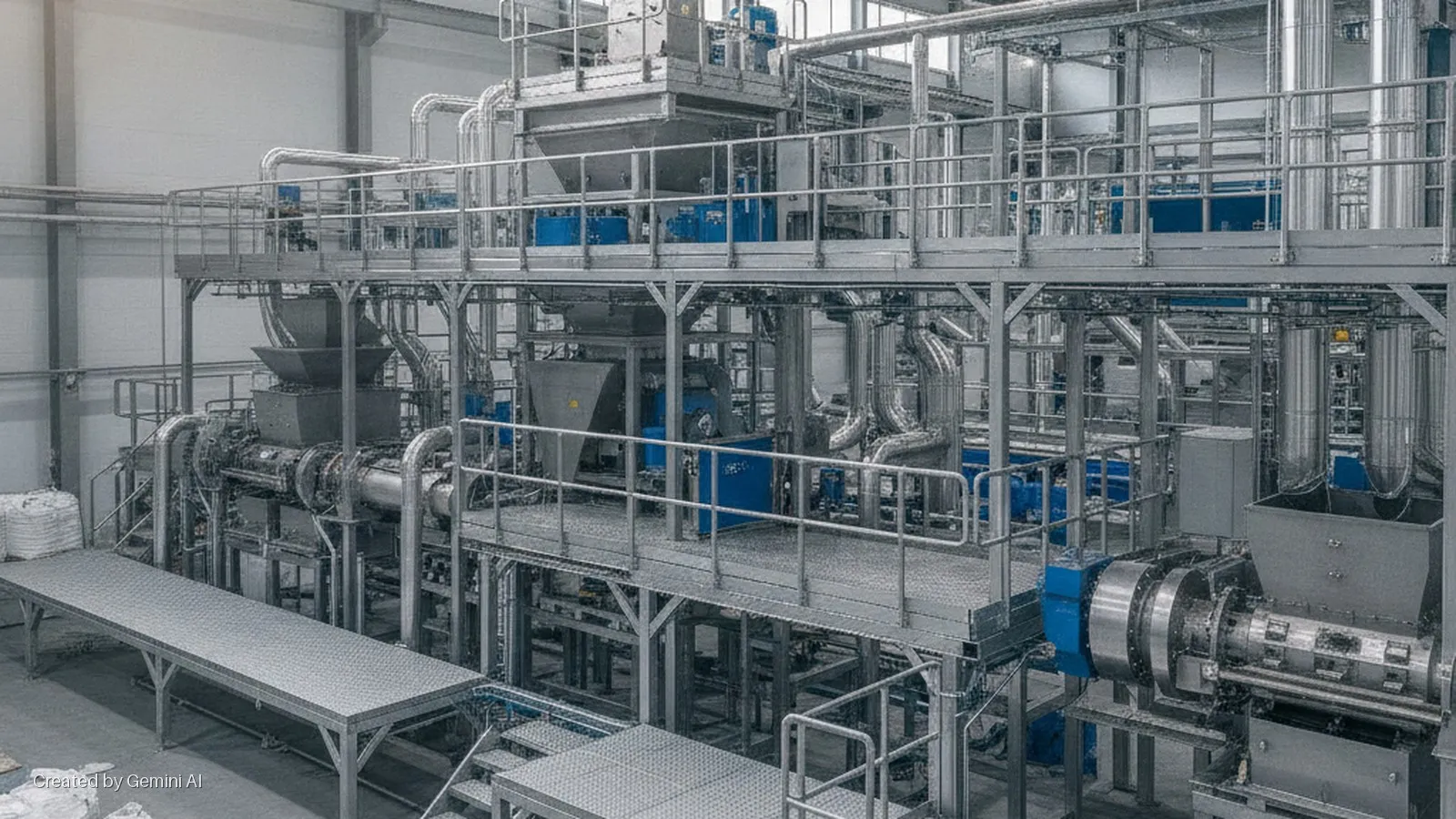
PureCycle Technologies (Nasdaq: PCT) has secured admission to Thailand's FastPass Investment Acceleration Programme for its planned polypropylene recycling facility in Rayong, a designation that is intended to streamline the government approvals and permits required before construction can begin. The certificate, issued under Project No. E682982, runs from 6 May 2026 to 31 December 2028 — giving the project roughly 30 months to move from regulatory clearance to operational readiness.
The Thai Board of Investment (BOI) had already approved PureCycle's investment in the project earlier in May. FastPass status, which is reserved for large-scale investments in strategic industries deemed to offer substantial economic benefit to Thailand, adds a layer of inter-agency co-ordination: the Thai government agencies that have signed memoranda of understanding with the BOI are now committed to aligning their permitting processes on a compressed timetable. To maintain the designation, PureCycle must deploy at least 20 per cent of the total stated investment value within six months of receiving the certificate; the company says its existing project spend already meets that threshold.
The deal
The Rayong facility is to be built within IRPC's eco-industrial zone. IRPC Public Company Limited is a Thai integrated petroleum and petrochemical group. PureCycle did not disclose the total capital expenditure for the Thailand plant, the capacity in pounds or tonnes of polypropylene it will process annually, or the identity of any offtake counterparties in the Southeast Asian region. The company's broader corporate target is one billion pounds of installed polypropylene recycling capacity by 2030, a goal that encompasses its existing Ironton, Ohio facility as well as planned plants in Antwerp, Belgium, Augusta, Georgia, and Rayong.
PureCycle's process, licensed from Procter & Gamble, uses a dissolution-based purification method to strip colour, odour and contaminants from number-5 polypropylene waste, yielding what the company brands as PureFive resin. Chief executive Dustin Olson described the FastPass selection as "a meaningful endorsement from the Thai government of the scale, strategic value and technology of what we are building in Thailand."
Market context
The polypropylene recycling market sits at the higher-value end of the circular plastics economy. Polypropylene accounts for roughly a quarter of global plastic production and is used extensively in packaging, automotive parts and consumer goods, yet mechanically recycled grades typically suffer quality degradation that limits their reuse in demanding applications. Dissolution-based and other advanced recycling chemistries are competing to close that gap, though most remain at early commercial scale. PureCycle's Ironton facility has faced operational and certification delays that have been closely watched by investors; the company has flagged going-concern risks in recent filings, and its share price has reflected those uncertainties.
Several other advanced recycling developers — pursuing pyrolysis, solvolysis and dissolution routes for polyolefins — are active in Asia, attracted by robust feedstock supply chains and the region's growing regulatory pressure on single-use plastics. Thailand's BOI has been an active architect of the country's positioning as a circular-economy manufacturing hub, using investment incentives and strategic-zone designations to attract foreign capital into advanced materials processing.
Policy path
The FastPass framework is itself a policy instrument, using facilitated permitting rather than direct subsidy to de-risk project timelines — a structure that contrasts with the tax-credit approach of the US Inflation Reduction Act or the EU's carbon-border adjustment and green-deal manufacturing incentives. For PureCycle, the value is primarily in schedule compression: every month of permitting delay adds carrying cost to a capital-intensive project. Whether the programme delivers the timeline reduction it promises will depend on how effectively Thailand's agencies coordinate in practice.
Investors following PureCycle will watch for the disclosure of a named Southeast Asian offtaker, a confirmed plant capacity figure, and a revised construction schedule as the near-term milestones that would add commercial substance to what is, for now, a regulatory milestone.