
Water First graduates eight Indigenous water operators in Ontario
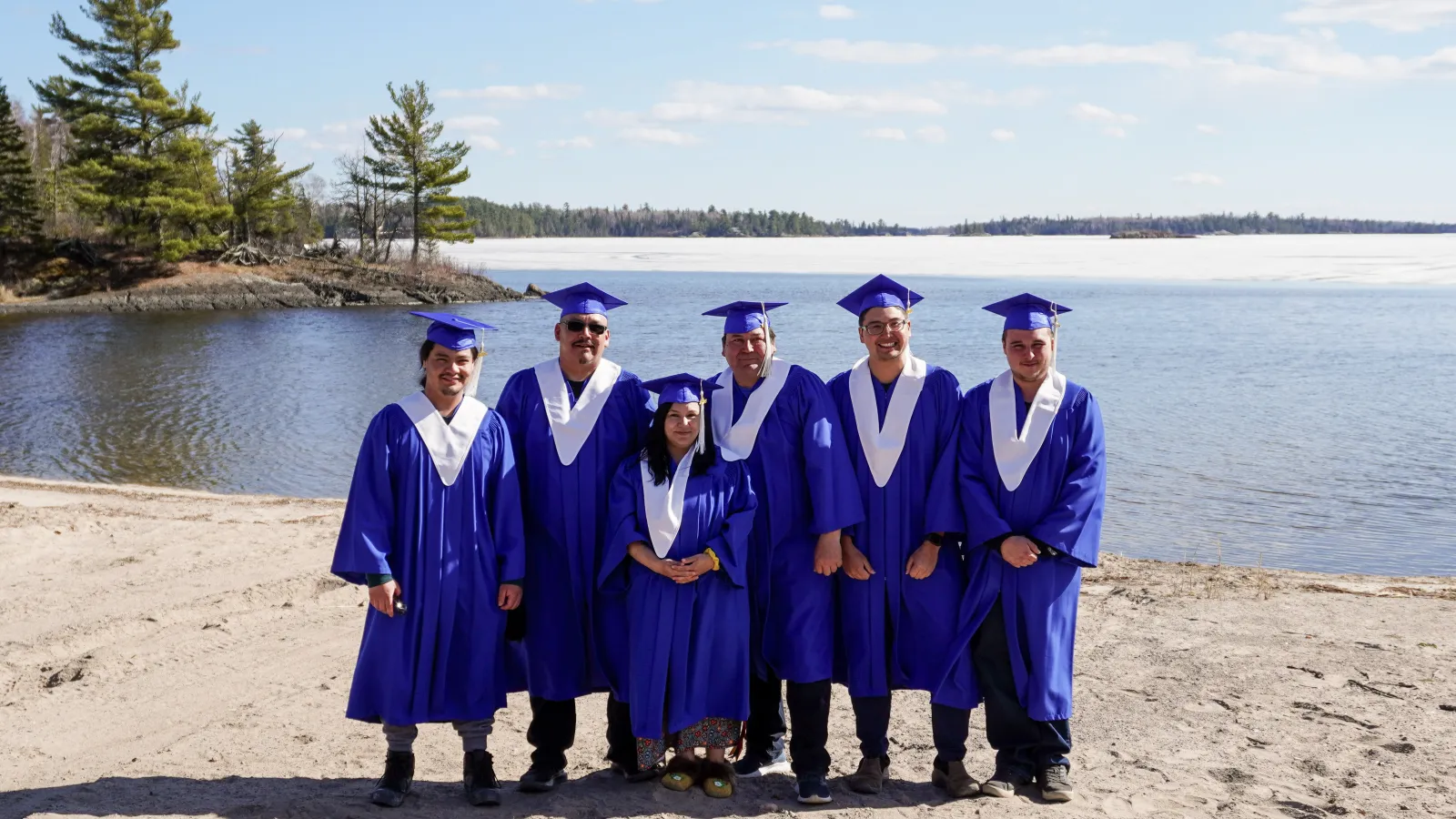
Water First Education & Training has graduated its latest cohort of eight Indigenous drinking water operators across communities affiliated with the Anishinaabeg of Kabapikotawangag Resource Council (AKRC) and Big Island First Nation in northern Ontario. Each intern completed more than 2,000 hours of hands-on plant work and passed four certification exams over a 15-month programme to earn Class 1 Water Operator status.
The programme is funded through Indigenous Services Canada and the Indigenous Skills and Employment Training stream, with additional support from Water First's donor base. No total programme cost or per-capita training expenditure was disclosed in the release.
Workforce pipeline, not a one-off
The graduation brings Water First's cumulative total to 73 trained operators drawn from 47 Indigenous communities, representing roughly 170,000 hours of in-plant and workshop training since the charity's founding in 2009. The scale of that pipeline matters: Rhonda Nash, AKRC Director of Operations, noted that the five AKRC member First Nations span seven separate communities, two of them remote, and have faced a sustained shortage of certified operators capable of running local water treatment plants.
The workforce gap is directly tied to the prevalence of drinking water advisories across Canadian First Nations. According to figures cited in the release, 16 per cent of First Nations nationally are affected by a drinking water advisory, a figure that rises to 32 per cent in Ontario. Infrastructure deficits, source-water quality problems and a shortage of trained local operators are cited as overlapping causes.
Market and policy context
Canada's Indigenous drinking water challenge has been a recurring focus of federal policy. The previous Liberal government committed to lifting all long-term drinking water advisories on reserves, a target that was not fully met by its original deadline, and the issue has carried over into subsequent federal spending cycles. Capacity-building programmes of this type sit at the intersection of environmental infrastructure and workforce development, drawing on both Indigenous Services Canada budgets and skills-training transfers.
From a cleantech lens, water treatment infrastructure in remote Indigenous communities increasingly intersects with off-grid renewable energy deployments: remote plants that previously ran on diesel generators are candidates for solar-plus-storage microgrids that reduce both operating costs and emissions.