
Alstom lands up to €700m Traxx Shunter order with Northrail

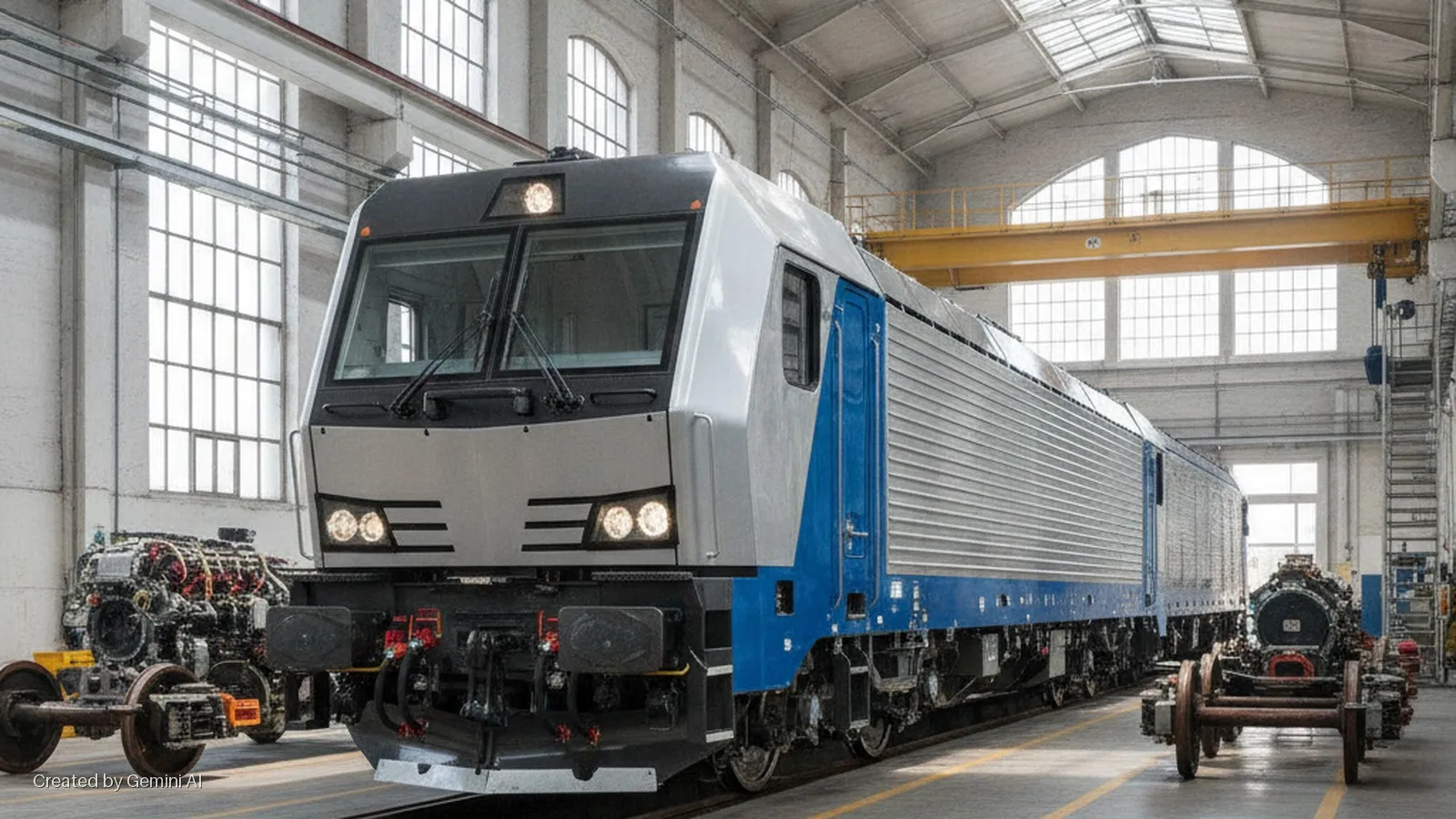
Alstom has signed a framework agreement with Northrail, one of Europe's largest rolling stock leasing companies, covering the supply of up to 100 Traxx Shunter locomotives. The agreement, announced at the InnoTrans trade fair in Berlin, carries a total potential value of up to €700 million, including options for additional units and maintenance contracts of up to 20 years. A firm initial order, covering an unspecified number of locomotives plus 10 years of maintenance, is valued at just under €100 million.
The locomotives will be designed and assembled at Alstom's Belfort facility in France, with first deliveries scheduled for the end of 2029. The firm tranche will be booked in the second quarter of Alstom's 2026/27 fiscal year. Alstom described the agreement as the commercial launch of a new generation of shunting locomotives.
The deal
Northrail is majority-owned by RIVE Private Investment through its RIVE Transportation Assets Income Fund (RTAIF), an infrastructure vehicle that targets assets contributing to the decarbonisation of transport. RIVE manages over €1 billion and has completed more than 100 transactions since its founding in 2013; RTAIF has deployed over €500 million across 10 countries since mid-2021.
The Traxx Shunter selected by Northrail for initial deployment in Germany combines pantograph-mounted electric traction with diesel propulsion, allowing it to operate on electrified and non-electrified track. The diesel engine is stated to be compatible with hydrotreated vegetable oil (HVO) and biodiesel. Northrail's chief executive, Dr Volker Simmering, said the platform is designed to be modular, with the option to replace the diesel unit with a battery module at a later stage, providing a route to zero-emission shunting as depot and trackside infrastructure evolves.
Market context
Shunting locomotives represent a significant and largely unreformed segment of European rail operations. Yard and depot shunters typically run on diesel traction, often operating equipment that is several decades old, and have been slower to electrify than mainline fleets because their duty cycles involve frequent stop-start movements at low speeds over non-electrified sidings. Camille Brunel, a partner at RIVE Private Investment, described shunting as "the largest stronghold of ageing diesel traction in Europe", noting that operators need a credible fleet renewal path.
The Traxx Shunter sits between conventional yard shunters and dual-mode mainline locomotives, capable of speeds up to 120 km/h and compatible with European Train Control System (ETCS) signalling alongside national systems. Alstom says the platform incorporates its HealthHub predictive maintenance technology to reduce total cost of ownership over the vehicle lifecycle.
The broader European rail rolling stock market is shaped by the EU's Green Deal ambitions and transport decarbonisation policy, which have prompted operators and lessors to accelerate fleet replacement. Infrastructure funds such as RTAIF are increasingly filling the financing gap for operators who want to renew fleets without large upfront capital commitments, using lease structures that spread cost over the asset life. Alstom, which reported revenues of €19.2 billion for fiscal year 2025/26, has sold more than 6,000 Traxx-family locomotives since 2000 and maintains a global fleet of over 2,450 units.
Policy path
European rail policy provides a supportive backdrop. The Fourth Railway Package has opened national networks to competition, creating demand for interoperable, multi-system locomotives of the type Alstom is positioning the Traxx Shunter to be. The EU's Fit for 55 package and the revision of the alternative fuels infrastructure regulation are accelerating electrification investment, while HVO mandates and blending targets offer a near-term emissions bridge for diesel-burning rail fleets.
Key milestones for investors and operators to watch include: confirmation of the deployment schedule in Germany, any activation of options for the French market, and whether the modular battery conversion pathway attracts additional lessor interest ahead of commercial deliveries in late 2029.