
American EcoFuels nears EPCM pick for SAF test plant
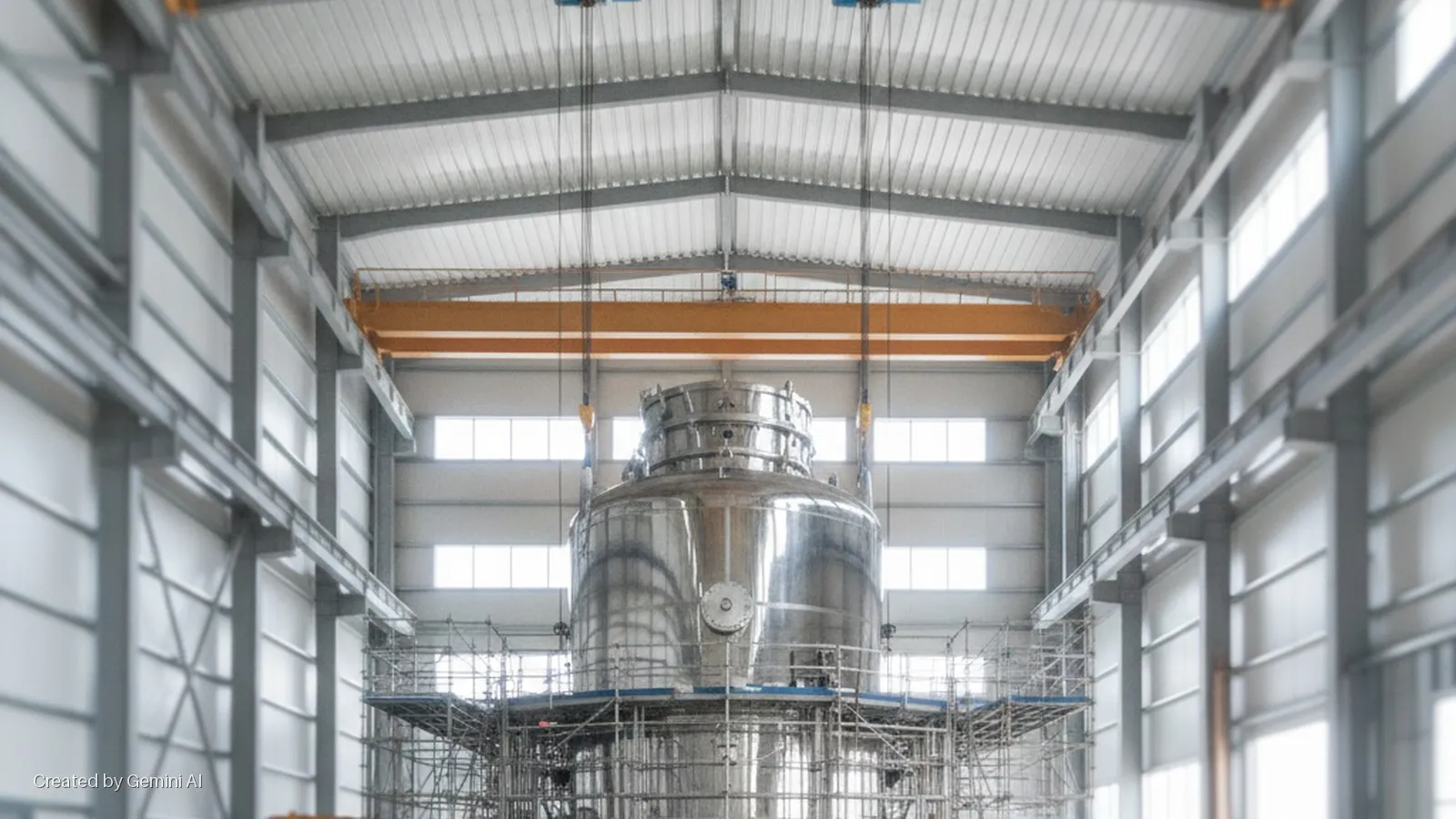
Eco Innovation Group (OTC: ECOX), operating under the American EcoFuels brand, says it is in the final stages of selecting an engineering, procurement and construction management (EPCM) partner to design and build a sustainable aviation fuel (SAF) test plant. The company expects to name the winning firm once contracts are signed, though it has not disclosed a timeline, a site, or a capital budget for the facility.
The test plant is intended to sit between American EcoFuels' existing laboratory-scale operations and any eventual commercial facility. Its stated purpose is to produce enough SAF-SPK (synthetic paraffinic kerosene) for submission to aircraft manufacturers, engine makers, and aviation certification bodies to seek qualification as a drop-in jet fuel. A drop-in fuel requires no modification to aircraft, engines, fuelling infrastructure, or airport operations, which the company presents as a key commercial advantage.
The technology
Unlike the dominant SAF pathways today, which process biomass-based feedstocks such as used cooking oil or agricultural residues, American EcoFuels says its process is based on a proprietary catalyst platform and gas-to-liquids (GTL) conversion, drawing on technology from Kepler GTL Technologies, with which it has an announced transaction. The release describes coal-to-liquids as well as natural gas as potential feedstocks. The company did not disclose the catalyst chemistry, the energy inputs required, or the carbon intensity of its specific production pathway, citing instead industry-level estimates that advanced synthetic aviation fuel may achieve substantial lifecycle greenhouse gas reductions compared to conventional Jet A fuel.
Those figures are industry-wide projections rather than verified performance data specific to American EcoFuels' process, and the company's own emissions claims remain unverified at this stage.
Market context
SAF is the dominant mechanism by which the aviation sector is expected to meet its net-zero ambitions. The International Air Transport Association (IATA) estimates that SAF could account for roughly 65% of the emissions reductions needed for aviation to reach net-zero by 2050, a figure the release cites. Current SAF supply meets only a small fraction of global jet fuel demand, and the production cost premium over conventional kerosene remains a structural barrier.
The majority of certified SAF volumes today come from HEFA (hydroprocessed esters and fatty acids) pathways using fats, oils and greases. Synthetic or power-to-liquid SAF pathways, including GTL-based approaches, are still largely pre-commercial, and certification via ASTM International's qualification processes is lengthy and capital-intensive. Several better-capitalised developers, including those backed by major airlines and oil majors, are pursuing similar non-biomass routes.
American EcoFuels is an OTC-listed micro-cap that is still rebranding from Eco Innovation Group and has not yet completed an SEC registration or exchange uplisting, according to its own disclosures. The investor relations contact listed is a Gmail address, which is atypical for a public company and warrants editorial caution. No audited financials, named institutional investors, or commercial offtake agreements were referenced in the release.
Milestones to watch
The company's near-term milestones are the EPCM partner announcement, a final investment decision on the test plant, and eventual submission of SAF samples to certification bodies. Commercial production, let alone airline offtake, remains several years away at minimum. Investors tracking the SAF space will want to see a disclosed capex figure, a named engineering partner with SAF credentials, and progress through ASTM qualification before assigning meaningful commercial value to the programme.