
CBAK Energy showcases LFP cells for Africa e-moto market at Kenya expo
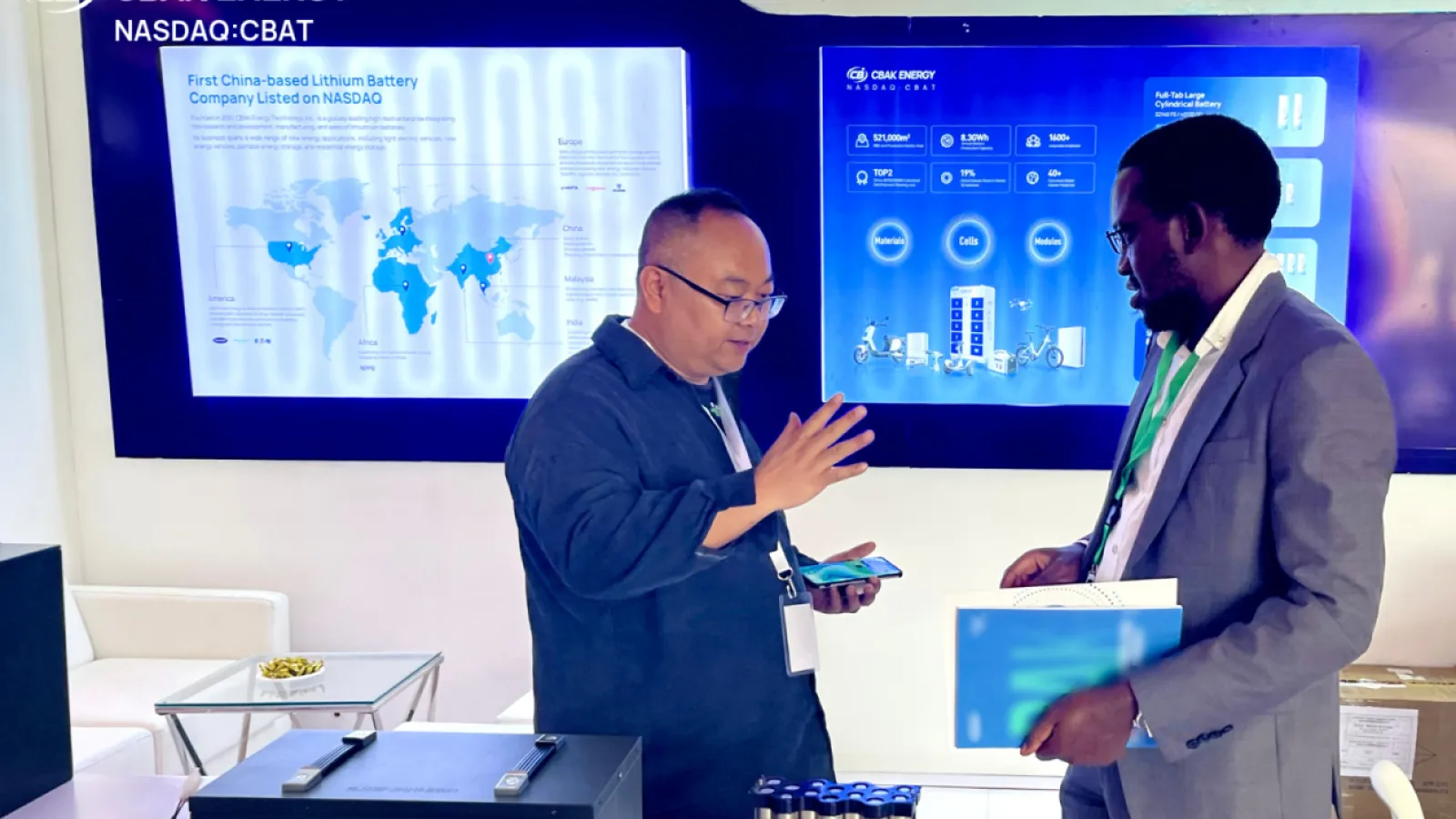
CBAK Energy Technology (NASDAQ: CBAT) has concluded its participation in the 27th Autoexpo Kenya 2026, where the Dalian-based lithium-ion battery manufacturer promoted its cylindrical lithium iron phosphate (LFP) cell portfolio to East African fleet operators, battery-swapping network operators and light electric vehicle distributors. The company cited Kenya's estimated two million commercial motorcycle-taxi ("boda-boda") riders as the primary demand signal for the region.
CBAK showcased three product lines at the event: its 32140 and 40135 full-tab large-format cylindrical LFP cells, a 32140-based sodium-ion battery variant, and smaller-diameter 26650 and 26700 cells for applications with tighter packaging requirements. No supply agreements, distribution partnerships or pricing terms were disclosed in connection with the event.
The technology pitch
The company's flagship 32140 FS series is designed around the specific operating conditions of African commercial e-mobility: sustained heat, rough road surfaces, high payload, and the rapid charge-discharge cycles associated with battery-swapping infrastructure. CBAK says the cell's internal resistance of approximately 1.3 milliohms supports 2C fast charging and 3C continuous discharge, enabling quick turnaround at swap stations where downtime directly affects rider earnings. It reports cumulative global shipments of more than 77 million units of the 32140 series as of May 2026.
Chief executive Zhiguang Hu said the expo "provided an important opportunity to engage directly with local partners and gain deeper insight into the practical needs of Africa's e-mobility market", adding that CBAK defines cell value in the region by "uptime, safety, lifecycle cost, and swapping efficiency". The company stated its current annual production capacity at 8.3 gigawatt-hours (GWh), with a potential expansion to 38 GWh described as conditional on market demand; that expansion figure is a forward-looking projection, not a committed capital plan.
Market context
Africa's two- and three-wheel electric vehicle market is attracting growing attention from Asian battery suppliers, local assemblers and international mobility startups. The boda-boda sector is structurally suited to battery swapping because riders operate continuously through the day and cannot afford the downtime of slow charging. Several venture-backed operators, including Ampersand in East Africa and M-KOPA-linked initiatives, are already deploying swap networks, creating a recurring-revenue consumables market for cell suppliers.
LFP chemistry is gaining ground over nickel-manganese-cobalt (NMC) ternary cells in price-sensitive, high-cycle applications because of its lower thermal-runaway risk, longer cycle life and reduced exposure to cobalt supply-chain volatility. The format shift toward larger-diameter cylindrical cells mirrors trends in the broader EV market, where the economics of cell manufacturing favour standardised high-capacity formats.
The competitive landscape for African e-moto cells includes Chinese peers such as CATL and EVE Energy, as well as regional assembly operations seeking locally certified pack designs. CBAK's positioning as a Nasdaq-listed entity with audited financials may assist with corporate procurement processes for larger fleet buyers.
Policy and capital backdrop
Africa's e-mobility buildout sits at the intersection of concessional development finance and private venture capital. Multilateral lenders, including the African Development Bank, have signalled support for clean transport corridors, and several East African governments have reduced import duties on electric two- and three-wheelers. Those policy signals lower the landed cost of vehicles and, by extension, the payback period for fleet operators switching from petrol motorcycles, which directly supports the commercial case for battery suppliers pitching total-cost-of-ownership arguments.
CBAK's Nairobi appearance is primarily a business-development exercise rather than a deal announcement. The next substantive milestone to watch is whether the expo conversations convert into named distribution or supply agreements, and whether the company's stated 38 GWh capacity expansion receives a board-approved capital commitment.