
CCEC and CMA CGM form JV to build $82.8m LNG bunkering vessel
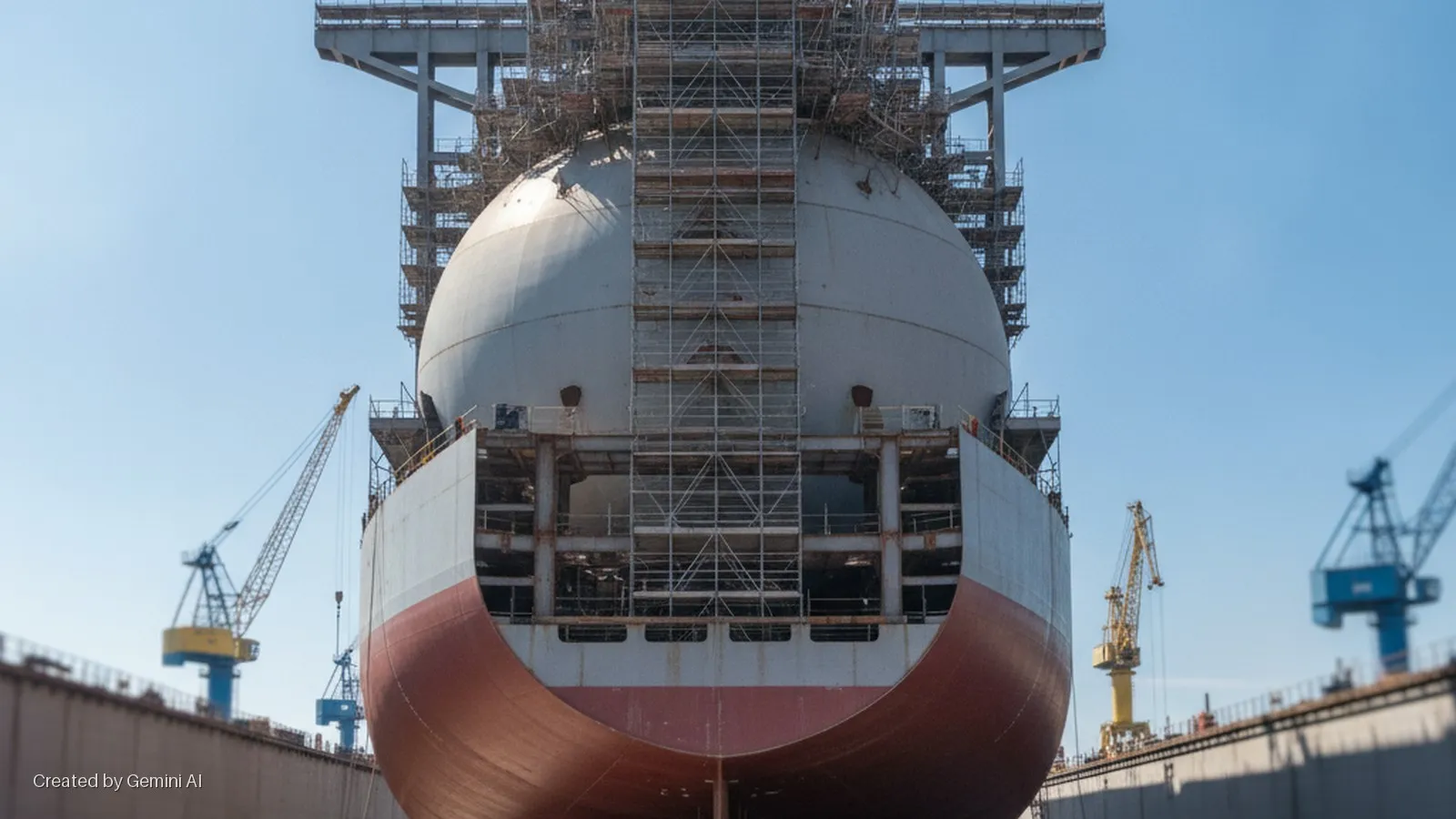
Capital Clean Energy Carriers Corp. (CCEC) has formed a 50/50 joint venture with French shipping group CMA CGM to construct and operate a 20,000 cubic-metre dual-fuel liquefied natural gas (LNG) bunkering vessel. The joint venture has signed a shipbuilding contract with Nantong CIMC Sinopacific Offshore and Engineering (CIMC SOE) in China at a contract price of $82.8 million, with delivery scheduled for the third quarter of 2028.
The vessel will supply LNG as a marine fuel to vessels calling at ports served by the joint venture. On delivery, the JV expects to place it on a 12-year time charter with a separate joint venture between CMA CGM and energy major TotalEnergies. The long-dated charter provides CCEC with contracted revenue visibility, though neither the time-charter rate nor the total contracted revenue figure was disclosed in the announcement.
The deal
CCEC, listed on NASDAQ under the ticker CCEC, describes the transaction as its first move into the LNG bunkering segment, extending its business from transporting gas to supplying it as a bunker fuel. The Athens-based company currently operates 17 vessels including 13 LNG carriers and has eight further LNG carriers under construction, alongside dual-fuel gas carriers and liquefied CO2 multi-gas vessels scheduled for delivery through to early 2029.
Chief executive Jerry Kalogiratos said the joint venture opens a new, long-term contracted revenue stream while helping to build the infrastructure that allows LNG to deliver what he described as a cleaner emissions profile alongside security of supply. Christine Cabau, executive vice president for operations and assets at CMA CGM, said the three parties are committed to building a reliable LNG bunkering supply chain, calling LNG "the first step in the decarbonisation of our industry."
Market context
LNG bunkering sits at the intersection of two large structural shifts in shipping: the International Maritime Organization's tightening greenhouse-gas targets and the practical reality that most deep-sea operators are choosing LNG as a bridging fuel while methanol, ammonia and other zero-emission options mature. LNG-fuelled newbuilds now account for a significant share of the global orderbook, and bunkering infrastructure has lagged fleet growth, creating a gap that dedicated bunkering vessels are designed to fill.
The involvement of TotalEnergies as co-charterer with CMA CGM is a meaningful signal: integrated energy majors are deepening their positions in marine fuel supply chains, competing with independent bunker traders and port authorities. For CCEC, a 12-year charter to a counterparty of that scale materially de-risks the vessel's revenue profile and should support project financing.
The longer-term question is whether LNG remains a viable transitional fuel or becomes a stranded asset. The IMO's 2030 and 2050 targets, the EU's FuelEU Maritime regulation and the extension of the EU emissions trading scheme to shipping all impose rising costs on carbon-intensive bunker fuels. LNG produces lower sulphur and particulate emissions than heavy fuel oil and lower carbon dioxide per tonne of fuel burned, but methane slip during combustion and bunkering means its full lifecycle climate benefit is contested. Developers and financiers backing LNG infrastructure over 12 to 20-year horizons are placing a bet that the regulatory treatment of LNG, and the pace of alternative-fuel scaling, will leave enough commercial headroom over the life of the asset.
The shipbuilding contract with CIMC SOE in China reflects the continued dominance of East Asian yards in LNG-related vessel construction, where technical expertise and competitive pricing have concentrated the orderbook. CCEC did not disclose how it intends to finance its 50% share of the $82.8 million construction cost.