
Casella and Waga Energy complete trio of RNG plants at McKean Landfill

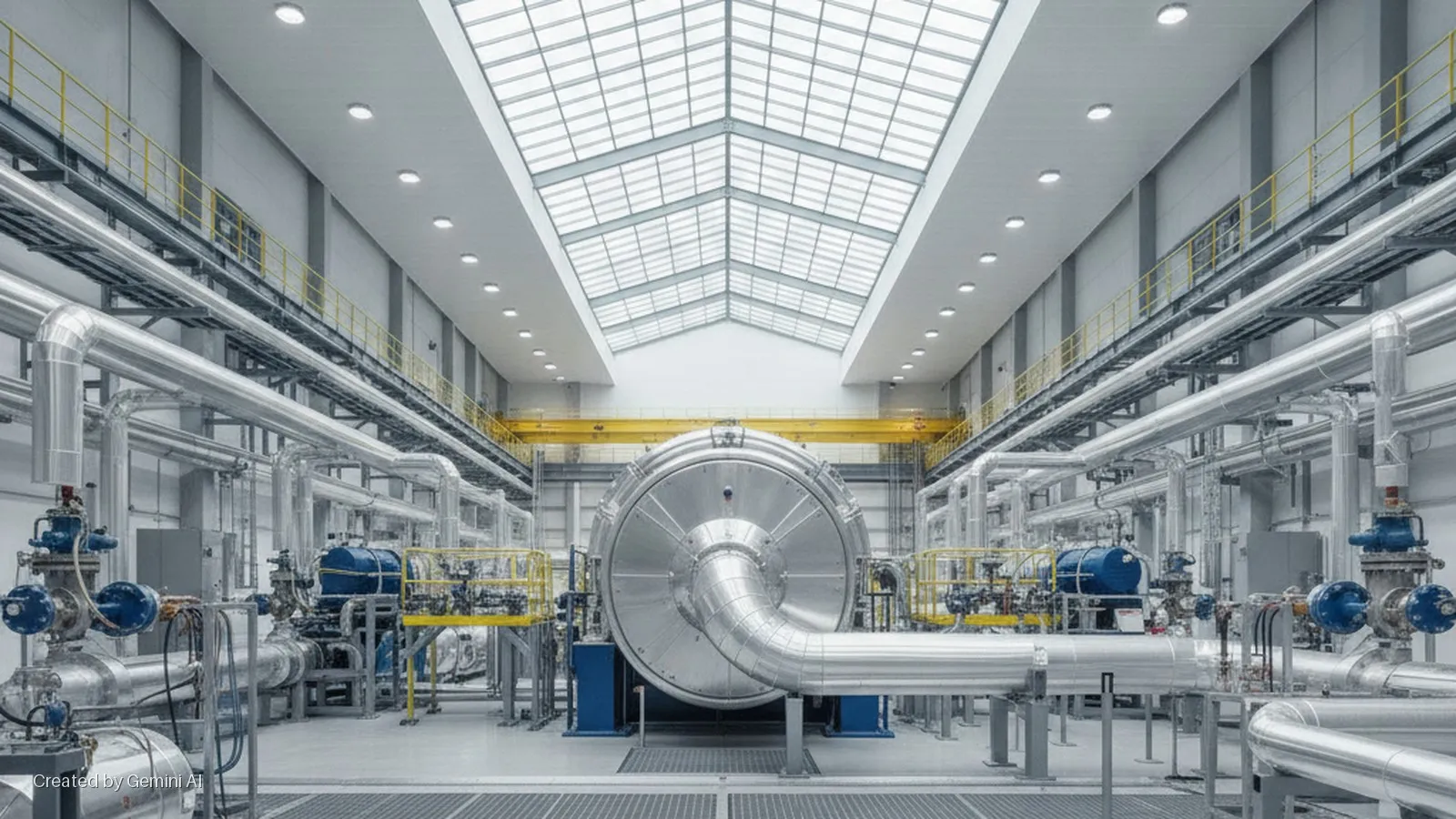
Casella Waste Systems (Nasdaq: CWST) and Waga Energy (EPA: WAGA) have brought a renewable natural gas (RNG) production facility online at the McKean Landfill in Mount Jewett, Pennsylvania, completing a three-site programme agreed between the partners in 2023. The McKean plant is the third to commission this year, following facilities at Chemung County Landfill and Hyland Landfill.
The McKean facility uses Waga Energy's proprietary WAGABOX purification technology to upgrade raw landfill gas into pipeline-quality RNG, which is injected directly into the National Fuel Gas distribution network. The plant has an installed processing capacity of 2,000 standard cubic feet per minute (SCFM) and is rated to produce up to 407,000 MMBtu, equivalent to roughly 120 GWh, of renewable gas per year, with output expected to ramp progressively as gas generation at the landfill matures.
The deal
Under the terms of the 2023 agreement, Waga Energy fully funded construction of all three facilities and will own and operate each site for 20 years. Revenue from RNG sales is shared between the two companies, giving Casella a return on its gas-supply asset without upfront capital outlay. The release does not disclose the revenue-share ratio, absolute project costs for any of the three sites, or contracted RNG pricing.
The combined annual avoided emissions across the three sites are put at 31,000 tonnes of CO2-equivalent at McKean alone, calculated under US Environmental Protection Agency methodology. Casella president and chief executive Ned Coletta described the completion as "another important step in our efforts to recover more value from the materials we manage."
Market context
Landfill-gas-to-RNG, also known as biomethane in European markets, is one of the more commercially mature segments of the waste-valorisation sector. Unlike many clean-energy technologies still chasing first commercial deployments, the underlying process of capturing methane from decomposing organic waste and upgrading it to gas-grid specification is well understood. The economics are supported in the US by Renewable Identification Number (RIN) credits under the Environmental Protection Agency's Renewable Fuel Standard, which create a tradeable compliance commodity layered on top of the gas commodity price. RIN values are volatile and represent a significant share of project revenue, making them a key risk variable for investors assessing landfill-RNG returns.
Waga Energy brings a sizeable portfolio to this partnership. The company currently operates 36 RNG production units across France, Spain, Canada and the United States, with a combined installed capacity of more than 6.5 million MMBtu per year. A further 19 units are under construction worldwide, suggesting the company is in an active scaling phase rather than a proof-of-concept one. For Casella, a regional waste-management operator with landfill assets across the eastern United States, the partnership model converts a cost centre into a revenue-sharing energy asset without balance-sheet risk.
Policy and market read-across
The US Renewable Fuel Standard remains the primary policy lever for landfill RNG economics, but the sector is also watching potential changes to RIN credit eligibility and methane-reporting rules under the EPA. Several states, including California and New York, have layered additional low-carbon fuel standard credits on top of federal RINs, creating a patchwork of incentive stacks that can materially affect project returns depending on gas-injection point and end-use.
Longer term, the pipeline-injection model Casella and Waga Energy use positions RNG as a drop-in fuel for industrial and residential gas consumers, which may face increasing competition from direct electrification mandates in some jurisdictions. The 20-year operating agreements give both parties visibility, but also expose them to the risk that gas-grid demand softens as heat-pump adoption and industrial electrification accelerate over that horizon.