
Casella Waste Systems publishes 2026 Sustainability Report

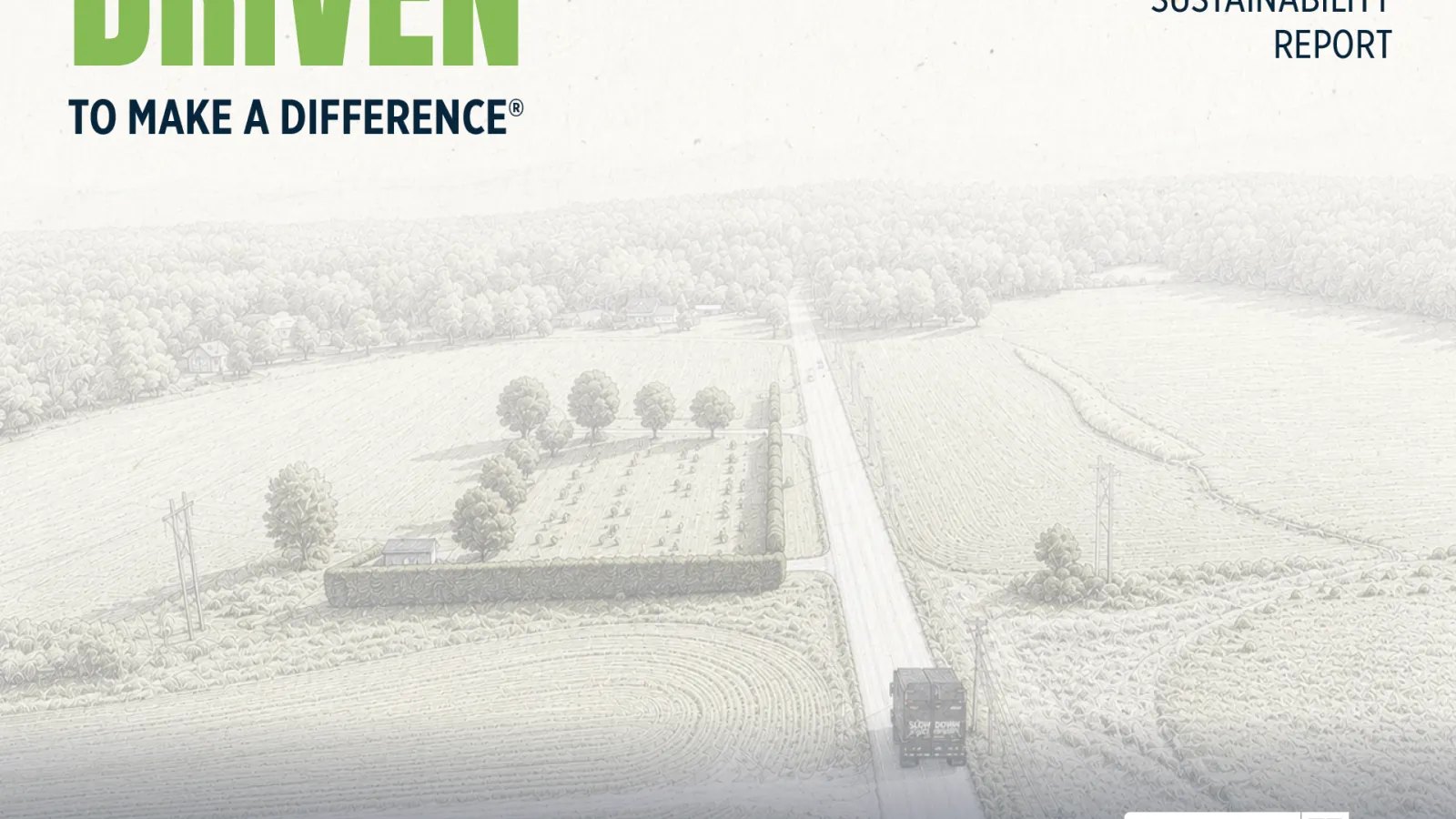
Casella Waste Systems (NASDAQ: CWST) has published its 2026 Sustainability Report, detailing progress toward targets the Vermont-based regional waste and recycling operator set for 2030. The company says it and its customers now recover more than 1.6 million tons of material annually, up by more than 500,000 tons since 2019.
The most eye-catching claim in the release is a reported emissions-benefit ratio: Casella estimates that for every tonne of greenhouse gas its operations emit, its services prevent 5.7 tonnes of emissions elsewhere in the economy, through recycling, renewable energy and carbon sequestration. The company says that figure already surpasses the 5.0 ratio it had set as its 2030 goal. The methodology underpinning the estimate is not described in the press release, and the figure has not been verified against a named third-party standard.
What the report covers
Beyond the headline metrics, the release points to continued investment in recycling infrastructure, renewable energy, fleet efficiency and employee training. The company also reports 24,000 volunteer hours from employees in 2025, a 90 per cent increase year on year, though that figure has no direct bearing on operational or environmental performance.
President and chief executive Ned Coletta said that strong environmental performance and strong operating performance "go hand-in-hand", framing the sustainability agenda as aligned with shareholder value rather than separate from it. Casella did not disclose a sustainability capital budget, audited Scope 1, 2 or 3 emissions figures, a revenue breakdown by service line, or any new interim targets beyond the pre-existing 2030 framework.
Market context
The regional waste-management sector sits at the intersection of circular materials and waste valorisation: operators collect, sort and redirect materials that would otherwise enter landfill, generating revenue from recycled commodities, landfill-gas-to-energy projects and organics processing. Casella competes in the north-eastern United States with larger national operators such as Waste Management and Republic Services, both of which publish comparable sustainability metrics.
The emissions-benefit methodology Casella cites, sometimes called a "benefit ratio" or "avoided emissions" calculation, is a contested accounting approach in sustainability reporting. Avoided-emissions claims are not yet standardised under widely adopted frameworks such as GHG Protocol, meaning comparisons across operators are difficult. As the US Securities and Exchange Commission's climate-disclosure rules and equivalent state-level mandates in markets such as California tighten requirements around emissions verification, the quality and auditability of such estimates will matter more to investors.
Casella has not indicated whether its benefit ratio will be subject to independent assurance in future reporting cycles. Investors and procurement teams tracking the company's operational performance will look for audited emissions data, a stated capex allocation for recycling and renewable infrastructure, and progress on any new targets that may accompany the next reporting cycle.
Annual sustainability reports of this nature are a standard disclosure exercise for publicly listed waste operators. Without new interim targets, a named capital commitment or audited emissions trajectories, this edition's primary value lies in the material-recovery volume figures and the benefit-ratio claim, both of which warrant independent verification before being used in investment analysis.