
Grand Teton recycling pilot cuts landfill waste despite record visits
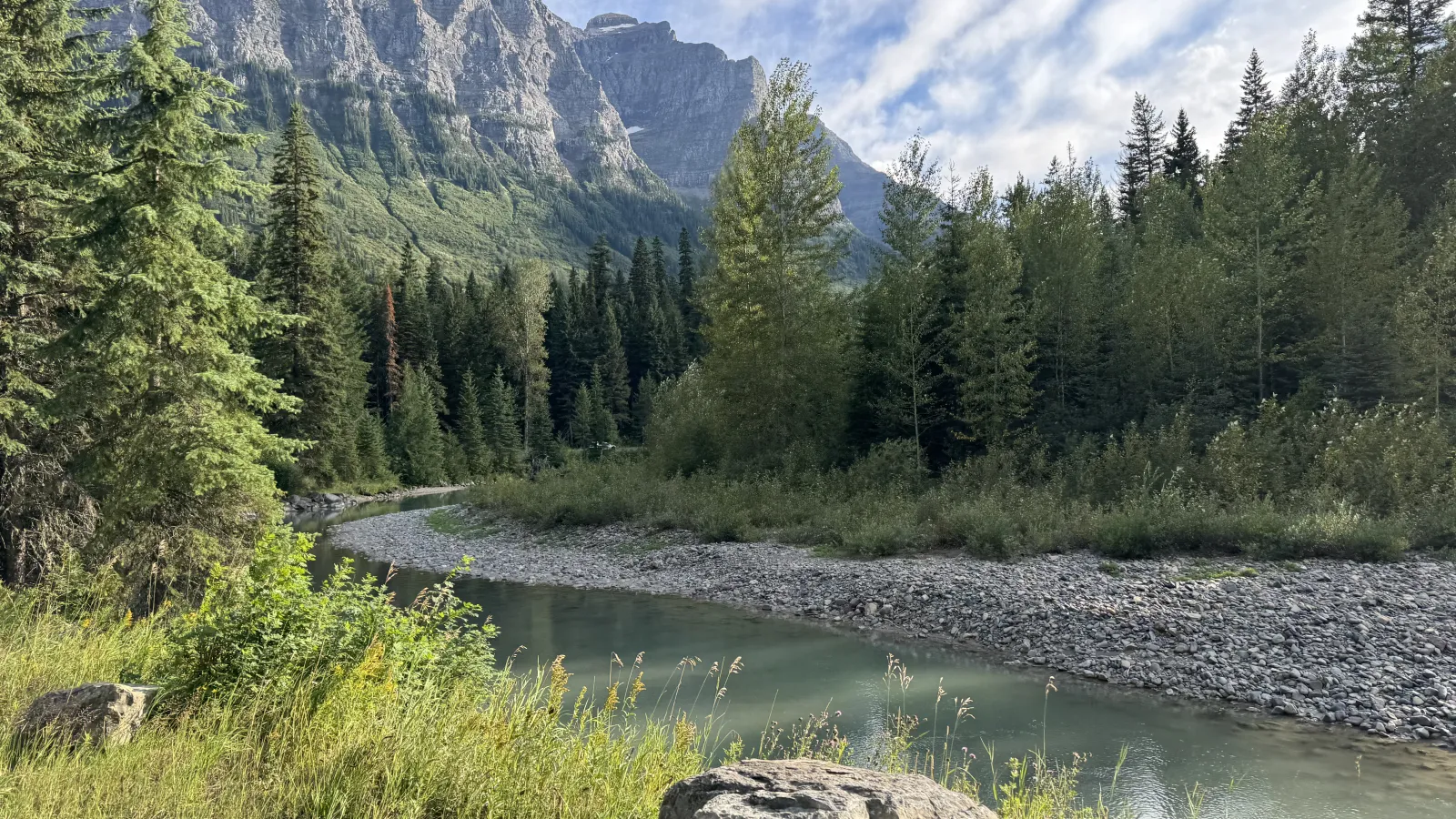
A recycling pilot at Grand Teton National Park has reported a 15% increase in waste recycled or composted during its first season, even as total park waste rose alongside record visitation. The programme, a collaboration between Keep America Beautiful, specialist recycler TerraCycle and Grand Teton Lodge Company (owned by Vail Resorts), centred on a 20-foot bear-resistant recycling station at Colter Bay Village campground and was funded in part by a grant from the National Park Foundation.
The campground hosting the station recorded more than six times the landfill-waste reduction achieved at a comparison site elsewhere in the park, the partners said. Grand Teton recorded its highest non-COVID-affected visitation in 2025, with an additional 170,000 visitors compared with the previous year. The partners noted that the landfill reduction came despite that increased footfall, rather than because of a fall in visitor numbers.
The pilot in detail
The station, constructed from a converted shipping container, provided clearly labelled slots for conventional recyclables including aluminium cans, glass bottles and cardboard, processed through the park's existing municipal recycling service. The more novel element was a set of dedicated collection pathways for materials that standard kerbside schemes typically reject: flexible plastic packaging, snack wrappers, rigid plastics, used fishing line and cigarette butts. TerraCycle, which operates take-back and specialist recycling programmes across 18 countries, processed more than 3,400 pounds of those hard-to-recycle materials over the season, converting them into raw materials for new products rather than sending them to landfill.
Three fishing-line collection bins were installed near water-access points, and 30 cigarette-butt receptacles were placed across the park. The partners said visible, easy-to-use infrastructure and on-site signage were central to improving visitor sorting behaviour, particularly in a remote, high-traffic outdoor setting.
Market context
The results are a small data point in a much larger challenge. The United States generates roughly 290 million tonnes of municipal solid waste each year, and recovery rates for plastics remain well below 10% in most states. Hard-to-recycle flexible plastics and composite packaging are the category where conventional infrastructure consistently fails, and specialist operators such as TerraCycle occupy a niche that sits between brand-owner-funded take-back programmes and broader extended-producer-responsibility (EPR) schemes. EPR legislation is advancing in several US states, which could change the economics of collecting these materials at scale.
For waste-valorisation technology and circular-materials investors, the Grand Teton model illustrates both the opportunity and the constraint. The combination of physical infrastructure, behavioural nudges and specialist processing can move diversion rates meaningfully, but replication across the roughly 430 National Park Service units would require sustained capital and logistical support that a grant-funded pilot cannot guarantee. Whether brand-owner funding, park-concession fees or federal appropriations can underwrite wider deployment remains an open question.
Outlook
The partners said they intend to evaluate whether the Colter Bay model can be adapted for other National Park Service units and public lands. No costs, funding amounts, or contracted expansion targets were disclosed. The involvement of Vail Resorts, which operates hospitality concessions across several park and resort sites, suggests a potential pathway to rolling out the infrastructure model at other high-footfall outdoor venues, though no such agreement has been announced.
David Wheeler, vice president for national partnerships at Keep America Beautiful, said the pilot demonstrated that "when we make recycling easier, more visible and more intuitive, people respond." Investors and policymakers tracking plastic-waste legislation and EPR mandates will watch whether the model attracts the kind of brand-side or policy-linked funding that could take it beyond a single campground.