
One and One Green Technologies builds in-house lab at Philippine
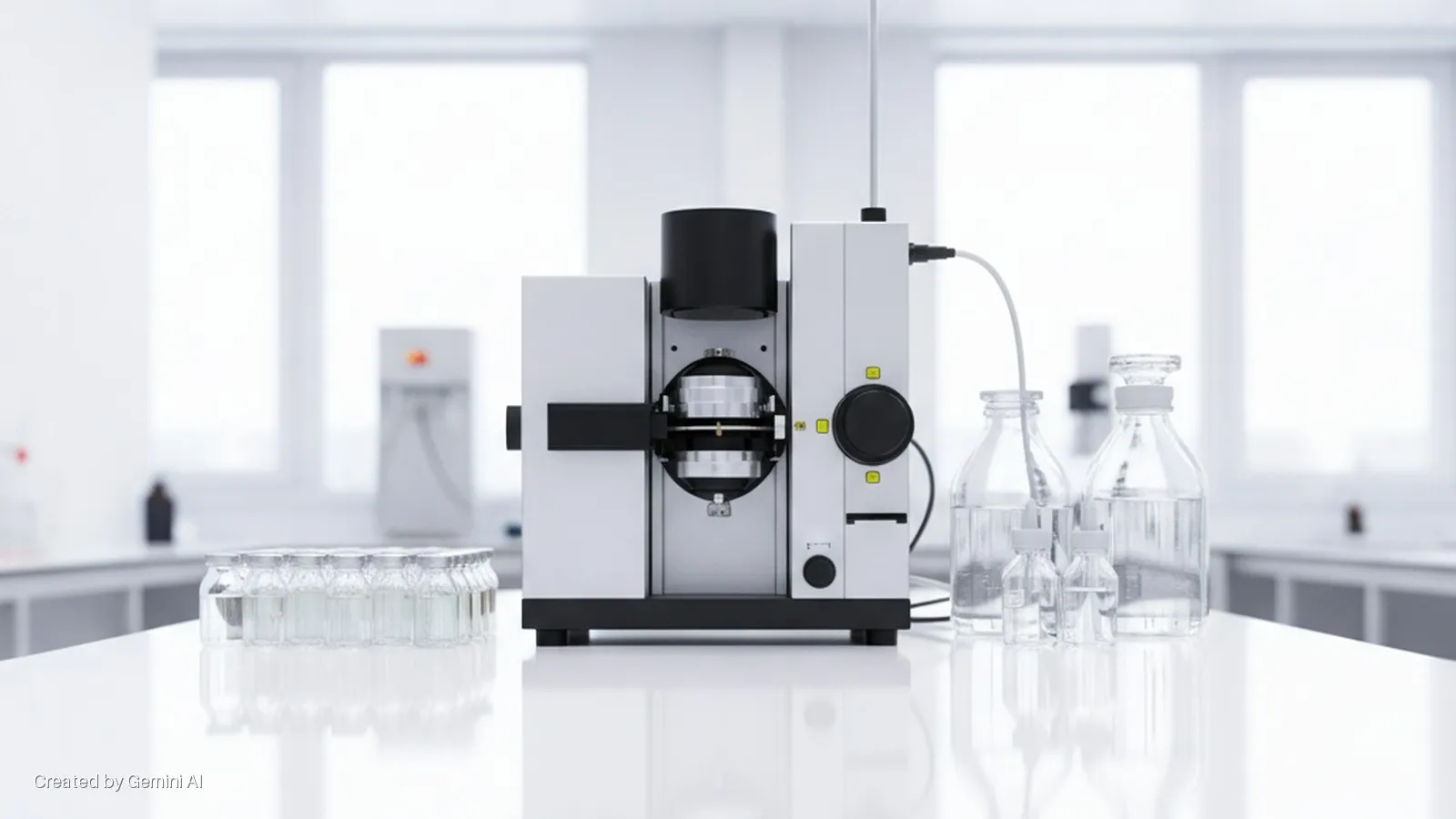
One and One Green Technologies (NASDAQ: YDDL), a licensed hazardous waste importer and non-ferrous metals recycler operating in the Philippines, has said construction of an in-house chemical testing laboratory at its Bulacan processing facility is substantially complete. The company targets full operations before the end of May 2026, though it notes that laboratory qualification and hazardous chemicals procurement requirements are still being finalised.
The laboratory is designed to cover the full quality-control cycle: raw material inspection, in-process monitoring and finished-product verification. It will serve the company's Luzon copper-gold mine tailings slag recycling business and its Metro Manila projects processing electronic sludge, copper sludge and nickel sludge. Equipment was delivered to the site in late April 2026, with installation proceeding on schedule according to the company.
Strategic rationale
Chairman and chief executive Tina Yan said the decision to build rather than buy testing capacity was deliberate. "Quality control is not an administrative function in our business; it is central to the integrity of every product we ship and every recovery process we operate," she said. The company argues that internalising testing provides differentiation on traceability and export compliance as global buyers of recycled metals demand greater verification of material provenance.
One and One did not disclose the capital cost of the laboratory, the incremental capacity it unlocks, or the contracted volumes it processes for downstream buyers.
Market context
The broader hazardous and electronic waste recycling sector in Southeast Asia is attracting growing attention from both regional operators and international recycled-materials buyers. Traceability and chain-of-custody documentation have become more significant commercial requirements as supply-chain due-diligence regulations tighten in the European Union and, to a lesser extent, in procurement policies at large industrial buyers in North America and Japan.
Critical-mineral recovery from electronic waste, including copper, nickel and trace precious metals, sits at the intersection of the circular economy and critical-minerals supply security, two policy priorities that have drawn capital from climate-focused infrastructure funds as well as conventional industrial investors. The Philippines holds a significant position in global nickel supply chains and has an established regulatory framework for licensed hazardous-waste importers, which gives licensed operators a structural barrier to entry that newer entrants must navigate.
For smaller listed recyclers, vertical integration of quality-assurance infrastructure is a common scaling strategy: it reduces third-party testing costs, shortens the product-qualification cycle and can improve margins on export-grade refined materials. The competitive risk is that the investment only generates returns if throughput volumes scale materially, making the pace of project ramp-up the critical variable for investors watching One and One.
The company's next disclosed milestones are the operational launch of the laboratory and the progression of its tailings slag and electronic sludge recycling lines toward commercial production volumes. No financial guidance or revenue projections were included in this release.