
Founder Group tenders for Malaysia's RM13–15bn LSS6 solar programme

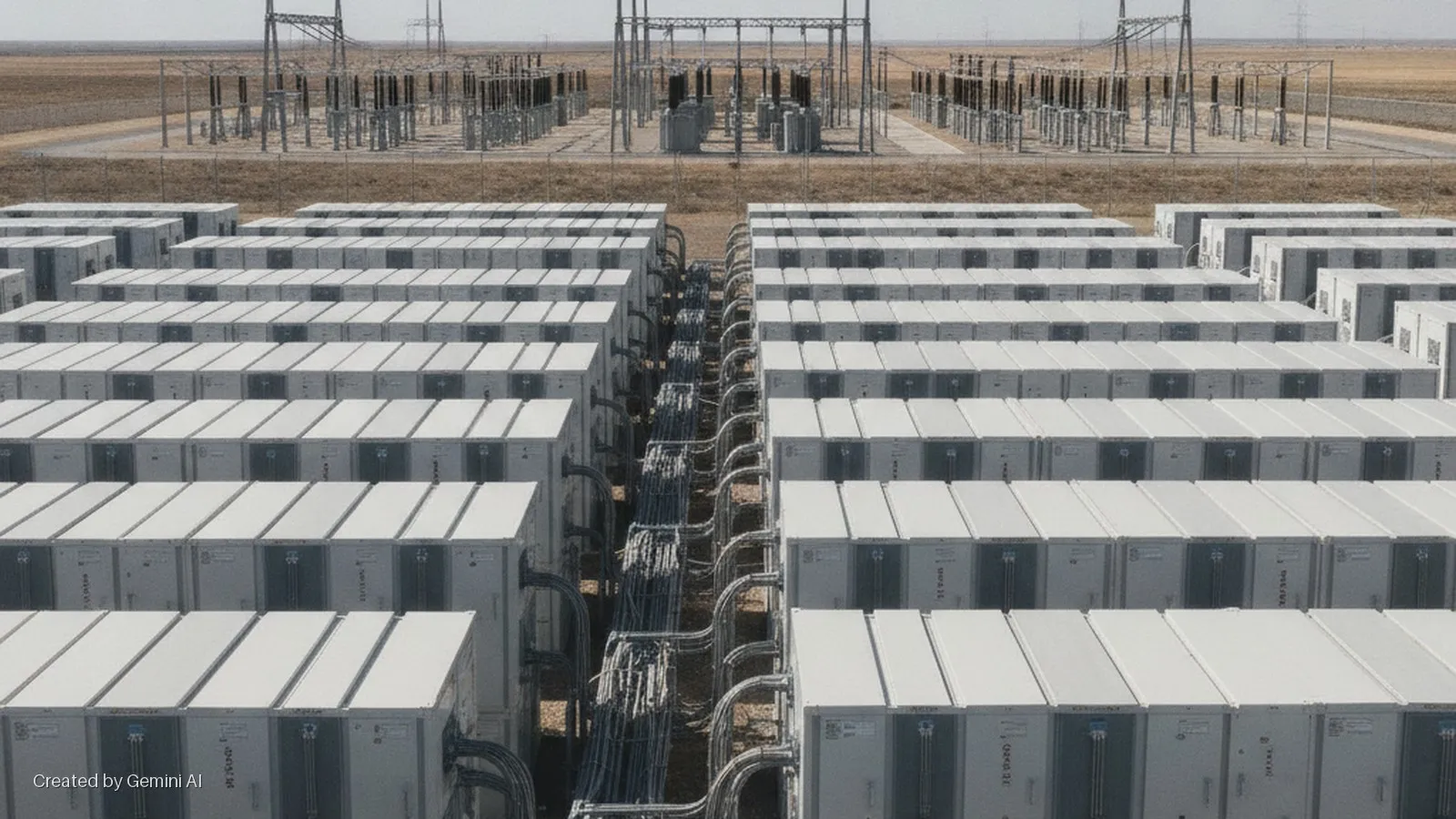
Founder Group Limited, the NASDAQ-listed Malaysian solar engineering contractor, has confirmed its subsidiary Founder Energy is actively tendering for work under Malaysia's Large-Scale Solar 6 (LSS6) programme, the country's largest-ever utility-scale solar tender. The programme, launched by Malaysia's Ministry of Energy Transition and Water Transformation (PETRA) in July 2026, allocates 2,500 MW of solar capacity paired with 1,250 MW of battery energy storage system (BESS) capacity, with a further 150 MW reserved for Bumiputera companies in Peninsular Malaysia.
PETRA expects LSS6 to attract between RM13 billion and RM15 billion (approximately US$3.2 billion to US$3.7 billion) in private investment, with projects commissioned in phases and targeted to reach full commercial operation by 31 December 2029. For engineering, procurement, construction and commissioning (EPCC) contractors such as Founder Energy, that capital envelope defines the addressable market. The company is positioning LSS6 as the primary driver of order book growth through 2029.
A first for Malaysian solar
LSS6 marks the first round in Malaysia's government solar programme to mandate hybrid solar-BESS development, adding an energy storage layer to what had previously been pure-generation tenders. That requirement changes the technical and commercial complexity of project delivery and may favour EPCC providers with demonstrated experience across both solar and storage integration.
Founder Energy claims involvement in more than 70 solar EPCC and sub-EPCC projects across Peninsular Malaysia since the LSS programme's earlier phases beginning in 2016. The company says it has delivered work on facilities representing a combined total of over 1 GWp (gigawatt-peak) of DC solar capacity, with an aggregate contract value of approximately RM520 million (US$128.6 million). These figures are company-reported and have not been independently verified.
Beyond construction, Founder Group says it is pursuing long-term operations and maintenance (O&M) contracts using proprietary AI-based monitoring technology. The company frames this as a recurring revenue stream extending beyond the construction phase, which would reduce its dependence on project-by-project EPCC awards.
Market and policy context
Malaysia's LSS programme has been a consistent driver of utility-scale solar development in Southeast Asia, running through successive rounds since 2016. The scale of LSS6 reflects the government's ambition to accelerate its energy transition and positions Malaysia alongside Vietnam, the Philippines and Indonesia as one of the region's primary solar growth markets. However, the EPCC market in the region is competitive: established Malaysian contractors, Chinese solar majors with downstream project arms, and international engineering firms all compete for large packages.
Founder Group's disclosure is structured as a forward-looking positioning statement rather than a confirmed contract award. Chief executive Lee Seng Chi acknowledged the company was "active in the market" and collaborating with larger solar companies expected to win LSS6 packages, implying Founder Energy may pursue sub-EPCC awards flowing from prime contractors rather than winning headline lots directly.
Investors considering the stock should note the safe-harbour caveat prominent in the release: Founder Group's actual order book growth will depend on competitive tender outcomes over the next four years, and no awards have yet been announced. The RM13–15 billion investment figure is a government programme estimate, not a committed capital sum. The company has not disclosed its target share of LSS6 capacity, a contracted backlog, or any financial guidance tied to the programme.
What to watch
The near-term milestones for Founder Group are tender award notices from PETRA, which would convert the current tendering activity into confirmed order book additions. Separately, the mandatory BESS requirement in LSS6 raises the question of whether Founder Energy's demonstrated track record is weighted toward pure-solar EPCC; the release references the O&M capability but does not detail prior BESS integration experience at utility scale. Clarity on both points will be necessary for investors to assess the scope of the opportunity the company is pursuing.