
FTC Solar to deliver trackers on 82 MW Sybella project

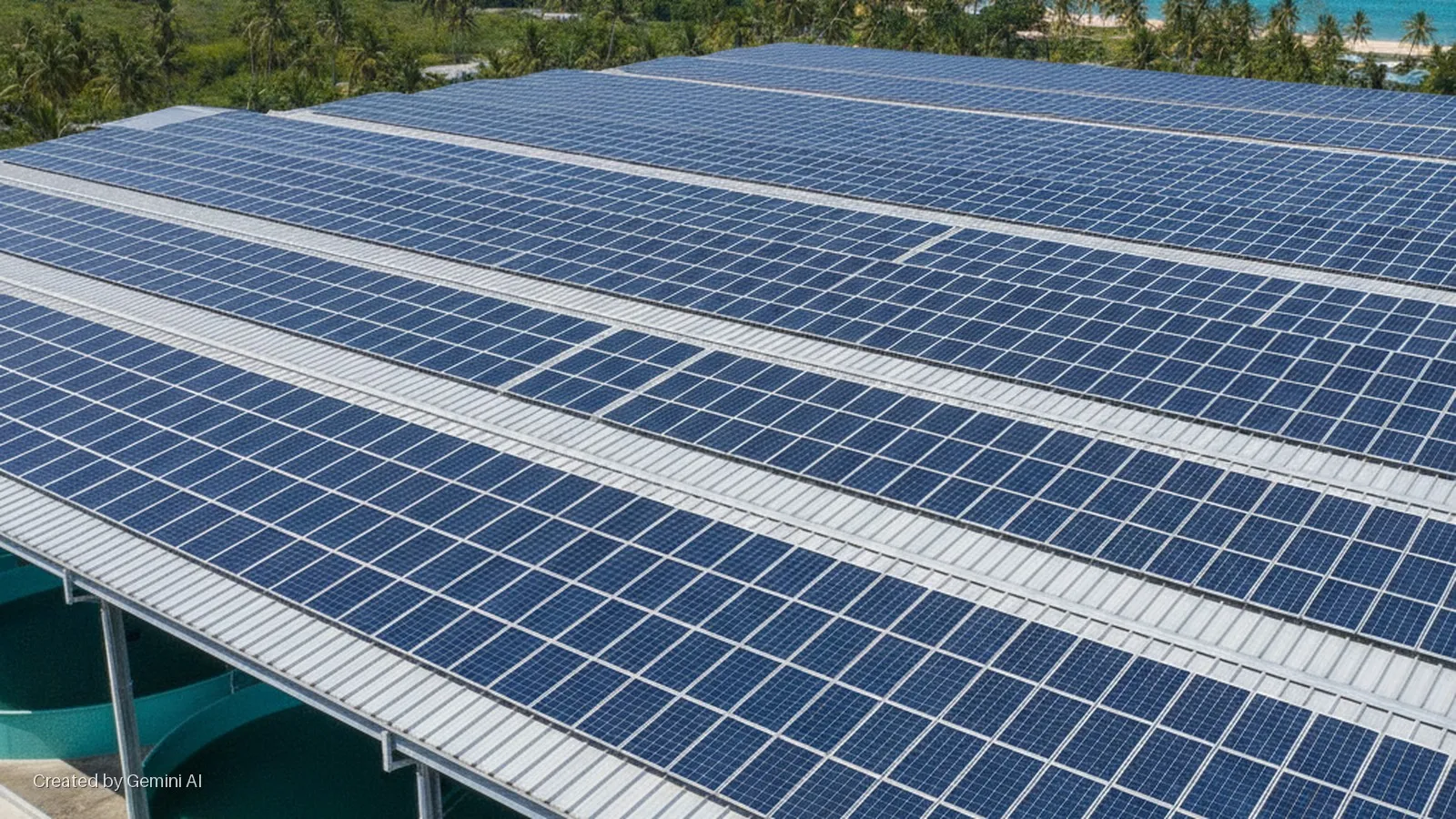
FTC Solar (Nasdaq: FTCI), an Austin-based provider of solar tracker systems, has received a notice to begin production for the Sybella Creek Solar Farm in Mount Isa, Queensland. First deliveries of its Voyager 2P single-axis tracker technology are scheduled for late 2026 into early 2027, with tracker manufacturing already under way.
The Sybella Creek project is an 82 megawatt (MW) hybrid installation combining solar generation with battery storage. The aggregate contract value was included in FTC Solar's reported backlog as of 5 August 2026. The company did not disclose the contract price, the project developer, the offtaker, or the capacity of the battery storage component beyond characterising the development as a "hybrid solar and battery storage project."
Market context
Solar trackers are mechanical mounting systems that rotate photovoltaic panels to follow the sun across the sky, typically lifting energy yield by 20 to 25 per cent compared with fixed-tilt installations. Single-axis trackers, such as FTC Solar's Voyager 2P, now dominate utility-scale solar builds globally, and the tracker market has become competitive, with several well-capitalised suppliers, including Nextracker, Array Technologies and Arctech, competing on installation cost-per-watt and software-driven optimisation features.
Australia is one of the faster-growing utility-scale solar markets outside Europe and North America, driven by state-level renewable energy targets and the federal government's 82 per cent renewables-by-2030 ambition under the National Energy Transition Authority. Queensland has been a particularly active deployment region, with large-scale solar supported by government offtake and grid-integration programmes. Mount Isa, an isolated mining hub in western Queensland, sits outside the main National Electricity Market grid, making local generation capacity especially valuable for energy security.
The deal
Chief executive Anthony Carroll characterised Sybella Creek as a "follow-on project," suggesting FTC Solar has prior tracker deployments in Australia, though the company did not name earlier projects or the counterparty developer. The release is notably thin on commercial specifics: no project developer, no project finance structure, no grid connection terms, and no battery capacity figure are named.
The hybrid nature of the installation is the commercially significant detail. Pairing solar generation with battery storage allows a project in an isolated grid like Mount Isa to firm output, reduce curtailment and command a higher value from offtake counterparties compared with a pure-solar build. The battery component also positions the project to capture the growing premium for dispatchable renewable capacity in Australian markets where grid firming services attract separate revenue streams.
Investors tracking FTC Solar will watch for any update on the project's developer identity and whether Sybella Creek's contract value has been recognised in revenue guidance, given that the backlog inclusion was disclosed in August.