
California Waste Solutions nears 35 years in recycling

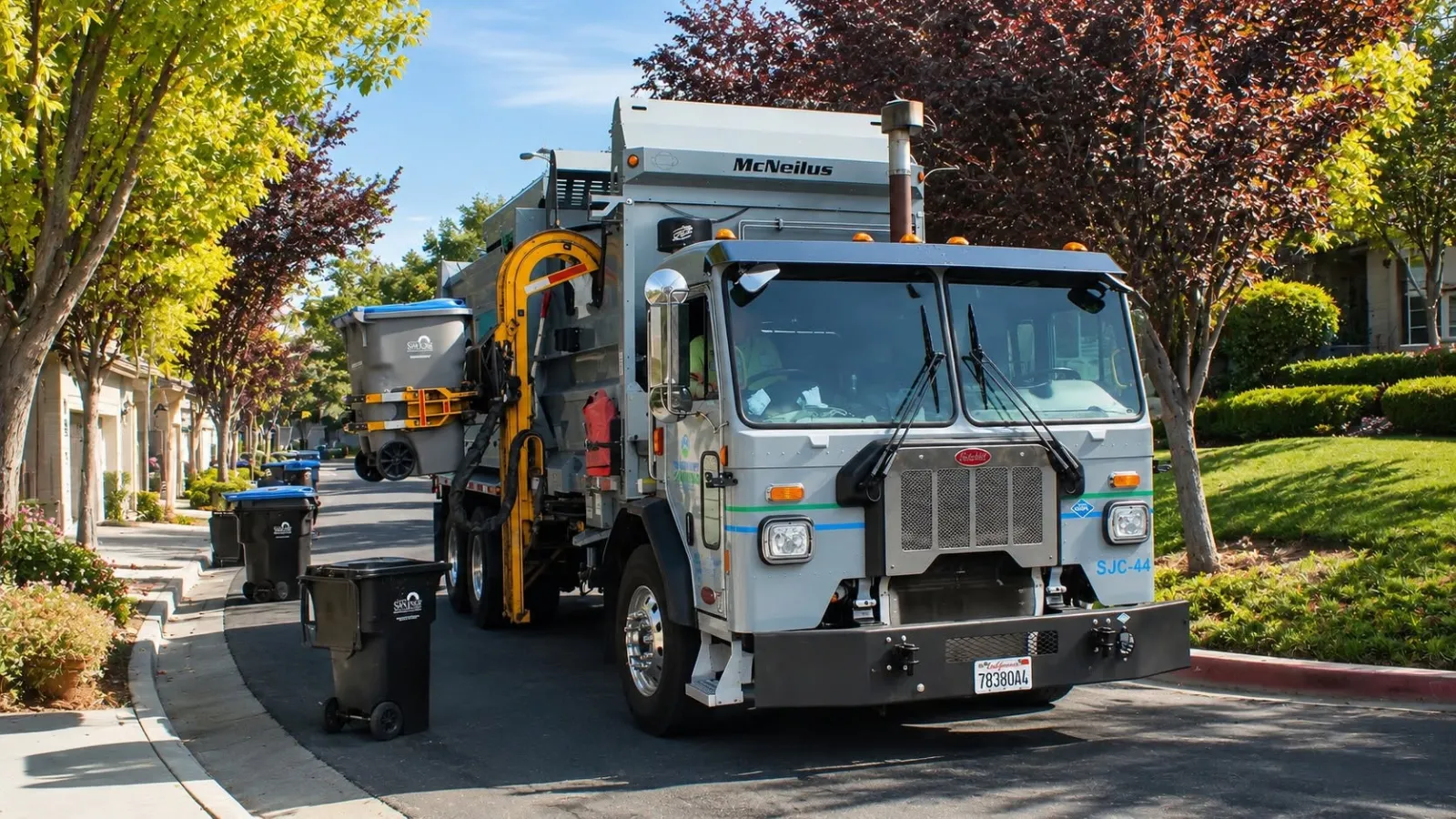
California Waste Solutions (CWS), the Oakland-headquartered recycling and resource-recovery operator, is approaching its 35th anniversary having grown from eight used collection trucks into a business spanning Northern California and Vietnam. The privately held, family-owned company serves more than 343,000 residential and commercial customers across Oakland and San Jose, operates six Bay Area recycling facilities, and manages the Da Phuoc Integrated Solid Waste Facility in Ho Chi Minh City through its wholly owned subsidiary, Vietnam Waste Solutions (VWS).
The anniversary release is primarily a retrospective, and it contains no new funding rounds, contract awards, or capacity expansions. What it does document is a scale of operations that merits attention for investors and procurement leads tracking the municipal recycling and waste-valorisation market in both the US and South-East Asia.
US operations and investment trajectory
On the California side, CWS provides kerbside recycling under franchise agreements with the cities of Oakland and San Jose. The company says it has invested more than $2 million in operational systems over its life, and is currently evaluating fire-suppression technology for collection vehicles, a direct response to the growing hazard posed by lithium-ion batteries entering the conventional recycling stream. A household battery recycling programme in partnership with the City of San Jose is planned for 2027, which would address one of the more acute safety and material-quality challenges facing municipal recycling operators today.
The company is also evaluating electric and lower-emission collection vehicles as part of longer-term fleet planning, though no timeline, vehicle volumes, or capex commitment were disclosed.
Vietnam and the Da Phuoc facility
The international footprint is the more structurally significant part of the business for market observers. The Da Phuoc facility covers 341 acres, receives more than 6,500 tonnes of waste per day, and handles approximately 2.4 million tonnes annually. The company describes it as South-East Asia's first integrated solid waste facility and says it was developed to US Subtitle D environmental standards, a requirement that added material cost compared with conventional disposal sites but positioned the facility for landfill-gas recovery and electricity generation alongside recycling, composting, and leachate treatment. A World Bank environmental assessment has described the Da Phuoc complex as Vietnam's largest solid waste processing complex, according to CWS.
Landfill-gas-to-energy is increasingly relevant as South-East Asian governments tighten emissions targets. Vietnam has committed to net zero by 2050, and landfill-gas collection and utilisation is one of the lower-cost pathways available to an economy with a large and growing municipal waste stream. CWS does not disclose the generation capacity of Da Phuoc's power assets or the terms of any offtake arrangement.
Market context
The municipal recycling sector globally is under pressure from tighter commodity specifications, rising battery-fire incidents, and the operational complexity of sorting an increasingly diverse material stream. Several large waste-management groups, including those with listed infrastructure, are investing in optical sorting, robotics, and real-time data platforms to improve output quality. CWS's integrated model, combining collection, processing, commodity marketing, and community engagement under a single operator, is a structure that larger listed peers have pursued through acquisition rather than organic growth.
The company has operated without disclosed external financing; its growth has been funded through retained earnings and municipal franchise revenues. For investors tracking the waste-valorisation and circular-materials space, CWS's Vietnam operation represents a less-visible but potentially replicable model for transferring developed-market environmental infrastructure standards into high-growth emerging economies.
CWS will formally mark its 35th anniversary in 2027. The next operational milestones to watch are the San Jose battery recycling programme launch and any fleet-electrification commitment.