
Lake Energy launches RWA platform for renewable energy assets

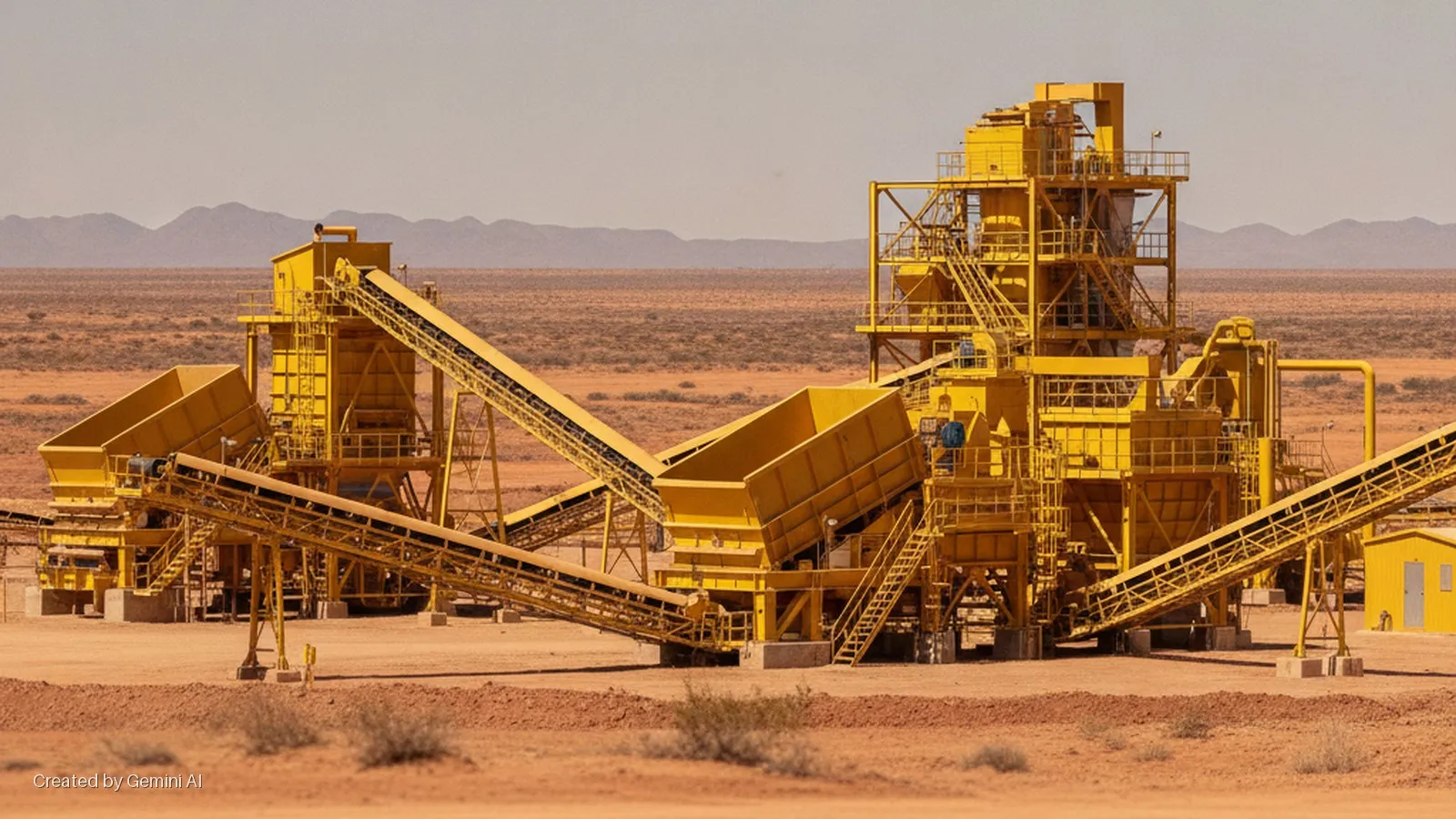
Lake Energy, a Singapore-based platform, has launched what it describes as a real-world asset (RWA) tokenisation service for renewable energy infrastructure. The platform is pitched at investors who want exposure to solar, wind and battery storage projects without the complexity of direct project-level participation.
The company says it digitises operational data from physical energy assets and connects those assets to digital financial markets. Investors select a project tier, commit capital, and receive returns calculated from the project's stated energy generation over a fixed term. The release provides a table of example project tiers ranging from a $500 entry point to a $10,000 commitment, with project terms of seven to thirty days and stated daily generation figures. No underlying project names, geographic locations, energy off-take contracts, regulatory licences, or third-party audit arrangements are disclosed.
What the platform claims
The RWA model applied to infrastructure is a genuinely active area in digital finance: the broad idea is that tokenisation lowers the minimum ticket size for illiquid real assets, speeds settlement and, in theory, improves secondary-market liquidity. Several well-funded platforms have pursued this approach for real estate and private credit; the extension to operational energy infrastructure is less mature and raises additional questions around regulatory classification of the tokens, custody of the underlying assets, and verification of claimed generation figures.
Lake Energy's release does not name a single underlying project, developer, offtake counterparty, grid connection, or independent auditor. The stated returns, which imply consistent daily-generation yields across a set of fixed-term tranches, are not supported by any third-party verification or reference to a grid operator's settlement data. Without that chain of evidence, a prospective investor has no practical way to assess whether the stated energy output and associated returns reflect real project economics.
Capital and regulatory context
The broader RWA tokenisation market has attracted meaningful venture capital over the past two years, with infrastructure and trade-finance applications drawing particular interest from sovereign wealth funds and specialist digital-asset managers. However, regulatory treatment varies sharply by jurisdiction: tokens that represent a share of project revenues may qualify as securities in the UK, the EU and the US, each with distinct disclosure and authorisation requirements. Singapore's Monetary Authority has published frameworks for digital-asset offerings, but compliance with those frameworks is not referenced in this release.
For the renewable energy sector, tokenisation could in principle unlock retail and emerging-market capital for infrastructure that currently relies on institutional project finance, green bonds or development-bank lending. The practical constraints, namely verified project data, legal ownership structures, and investor-protection frameworks, remain largely unsolved at commercial scale across the industry.
Lake Energy says it plans to expand the number of projects on the platform and to extend into additional clean-energy sub-sectors. No financial-close milestones, named project partners, or regulatory approval timelines are provided. Editors should treat the stated return figures and generation claims as unverified until the company provides audited project data and discloses the legal structure of the investment product.