
AEW 2026 to spotlight Africa's grid tech and transmission build-out

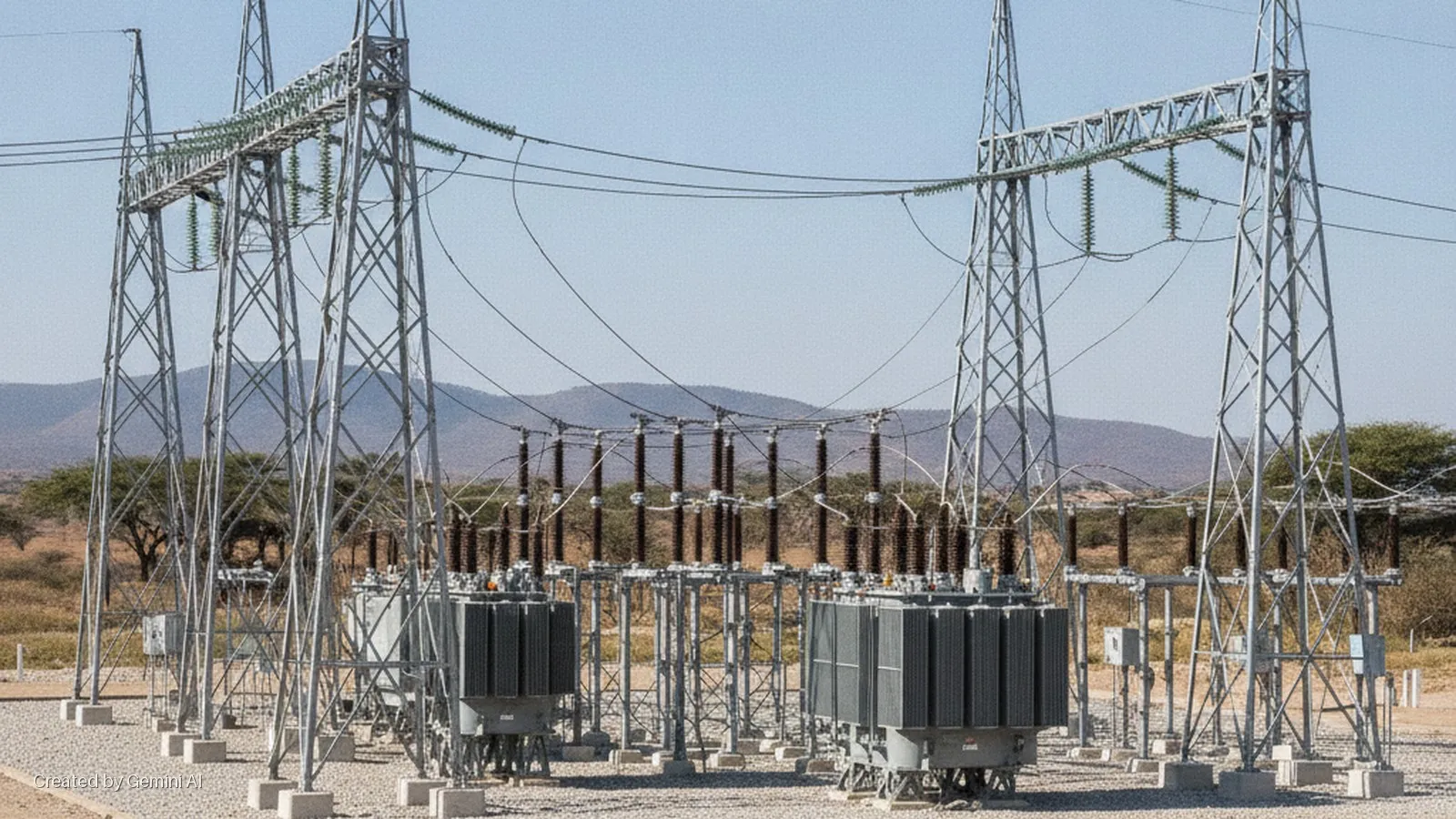
African Energy Week (AEW) 2026, convening in Cape Town from 12 to 16 October, will bring together technology and energy service providers to examine how digital and infrastructure-led solutions can strengthen the reliability and security of Africa's power assets. The event is organised by the African Energy Chamber and will feature executives from Google, Angolan services company KAESO, and the National Transmission Company of South Africa (NTCSA).
The headline infrastructure story belongs to NTCSA, which is executing a R440-billion programme to construct 14,500 km of new transmission lines across South Africa. Chief Engineer Popi Mfapa is expected to present investor opportunities tied to the rollout at the Cape Town event. The expansion is framed as a prerequisite for South Africa's target of a 40% renewable energy mix by 2030, and for deepening its role in regional power trading.
Digital infrastructure and the grid
Google will use AEW to outline its continuing investment in Africa's digital backbone. The company says it has already exceeded a $1 billion investment commitment across the continent, with its cloud and connectivity platforms applied to grid-balancing, minimising transmission losses and optimising renewable-energy assets. Managing Director for Sub-Saharan Africa Alex Okosi is scheduled to speak. The company positions artificial intelligence and cloud tools as accelerants for the real-time management of increasingly complex power networks.
KAESO, an African energy services firm, will address a different constraint: local technical capacity and supply-chain depth for offshore oil and gas development. General Manager Jorge de Morais is expected to speak to Angola's and Namibia's new offshore investment cycle, and to the company's plans for a base in the Namibian port of Lüderitz to serve growing demand across Namibia and Mozambique.
Market context
The confluence of renewable-energy ambition, grid underinvestment and rising power demand is reshaping the African energy investment landscape. South Africa's transmission deficit is well-documented: grid congestion has constrained the connection of new renewable generation even as the country accelerates independent power producer procurement. The NTCSA's R440-billion capital programme is the largest single transmission infrastructure commitment on the continent, though it spans multiple years and will require a mix of domestic and international financing. Comparable grid-expansion programmes elsewhere, including those in the UK and across Europe, have drawn sovereign wealth funds, infrastructure debt and development-finance institution capital.
The broader African energy market is attracting growing interest from multilateral lenders and private infrastructure investors, driven partly by the energy-transition financing commitments made at successive COP summits and by development-finance institution mandates to support electrification. Google's involvement reflects a separate but related trend: hyperscale technology companies are increasingly embedding themselves in emerging-market grid infrastructure, partly to secure the connectivity and power-supply reliability their own operations require.
NJ Ayuk, Executive Chairman of the African Energy Chamber, said Africa's next generation of energy infrastructure "will require digital intelligence, operational expertise, resilient transmission networks and a skilled African workforce capable of managing these systems."
What to watch
AEW 2026 is a conference, not a transaction, and the value of this release to investors lies primarily in what the named speakers reveal about capital allocation and project timelines rather than in the event itself. The NTCSA transmission figure and South Africa's 2030 renewable target are the most substantive data points. Investors tracking the continent's grid build-out will look for confirmation of financing structures, development-finance institution participation, and any update on interconnection agreements with neighbouring markets when Mfapa takes the floor in October.