
ABTC posts 407% revenue growth but GAAP loss widens in FY 2026

American Battery Technology Company (NASDAQ: ABAT) has reported revenue of $21.7 million for the fiscal year ended 30 June 2026, a 407% increase from $4.3 million in the prior year, driven by higher throughput at its commercial lithium-ion battery recycling facility in Nevada, rising byproduct sales, and improved pricing for recycled critical minerals. The result is the strongest in the Reno-headquartered company's history, though it arrived alongside a GAAP net loss of $73.4 million, up from $46.8 million in fiscal 2025.
The company reached a non-GAAP adjusted gross profit of $1.7 million, its first positive reading on that measure, after stripping out $3.7 million of depreciation and $1.1 million of stock-based compensation from cost of goods sold. On a GAAP basis, gross loss narrowed to $3.1 million from $10.6 million. ABTC ended the year with no outstanding debt and a cash balance of $49.5 million, compared with $7.5 million a year earlier, reflecting equity issuance rather than operating cash flow.
Recycling operations
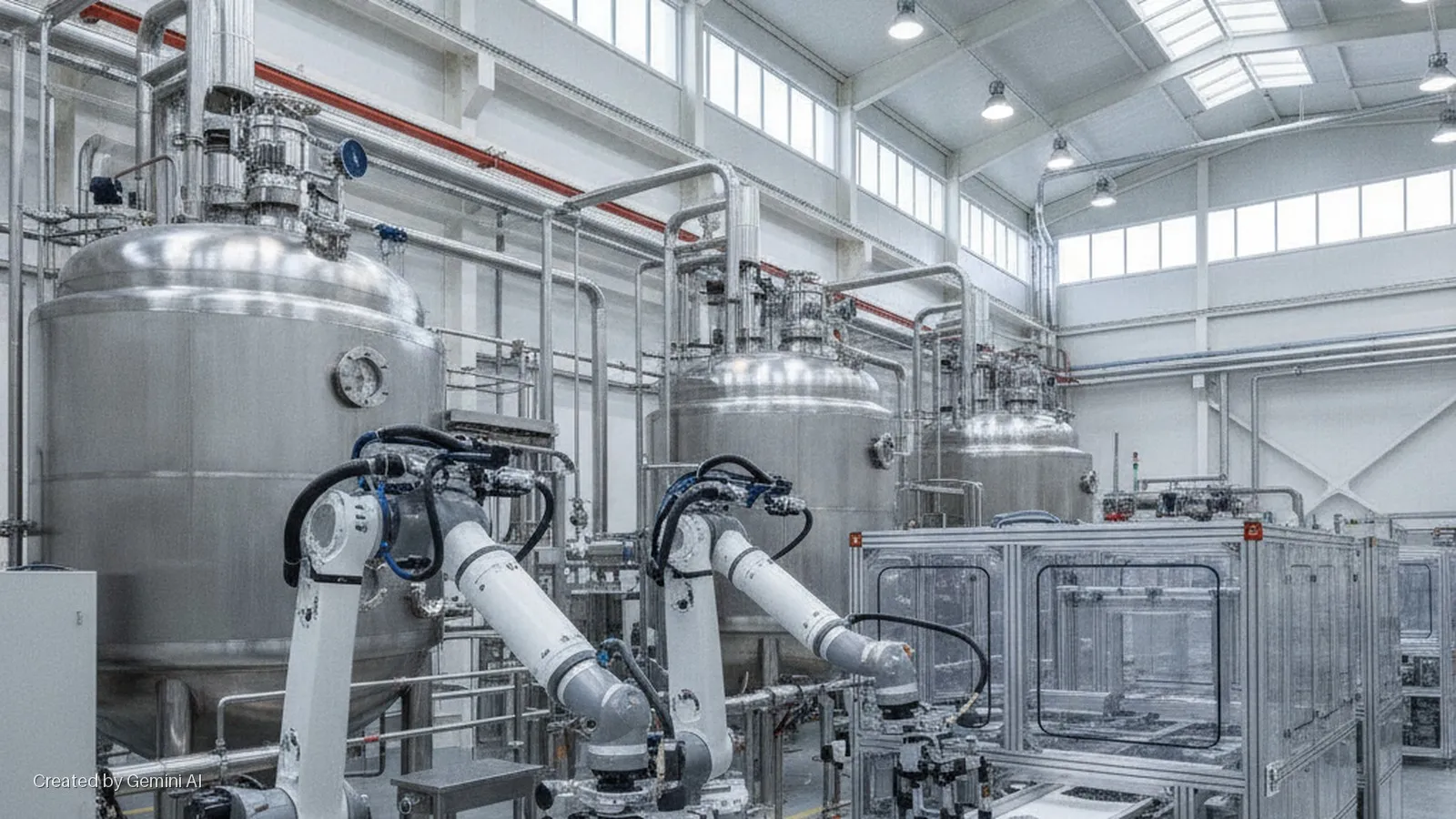
ABTC's first commercial recycling facility is rated at 20,000 tonnes per year of input capacity. During fiscal 2026 the company was selected to process batteries from what it describes as the largest lithium-ion battery clean-up project in US history, which it values at an estimated $30 million opportunity. A partnership with The Battery Network, formerly known as Call2Recycle, is intended to widen the feedstock base by extending consumer collection infrastructure nationwide.
Development is also under way on a second recycling facility with a target capacity of approximately 100,000 tonnes per year, supported by a $150 million US Department of Energy (DOE) grant. A separate $10 million DOE grant covers next-generation mineral-processing technology. Neither facility has a disclosed construction timeline or financial-close date.
Tonopah Flats and the policy backdrop
ABTC published a Pre-Feasibility Study (PFS) for its Tonopah Flats Lithium Project in Nevada during the fiscal year. The PFS outlines a resource of approximately 21.3 million tonnes of lithium hydroxide monohydrate, with 2.7 million tonnes classified as proven and probable reserves. The company is targeting production of roughly 30,000 tonnes per year of battery-grade lithium hydroxide from a planned claystone mine and refinery. A $57.7 million DOE cooperative agreement supporting the first phase of the refinery was reinstated during the year, and the project has been designated a Priority Project under the Trump administration's National Energy Dominance Council, qualifying it for streamlined federal permitting.
Critical mineral recycling and domestic lithium production sit at the intersection of two powerful policy currents in the United States: the Inflation Reduction Act's requirements for domestic battery-material sourcing to qualify for electric-vehicle tax credits, and the broader push under executive order to reduce dependence on Chinese-controlled mineral supply chains. ABTC's integrated model, combining recycling with primary resource development, is designed to capture value at multiple points in the battery materials supply chain. Several other developers, including Lithium Americas and Piedmont Lithium, are pursuing domestic primary lithium projects, while the recycling space has drawn significant capital to companies such as Li-Cycle and Redwood Materials.
Chief executive Ryan Melsert said the fiscal 2026 results demonstrate progress in "increasing production volumes, improving operating economics, and scaling a critical domestic source of battery materials", while pointing to the second recycling facility and Tonopah Flats as the next major milestones.
Investors will look for ABTC to narrow its operating cost base, which reached $71.6 million including general and administrative expenses of $51.6 million, and to convert its DOE grant commitments and priority-project designation into concrete construction schedules and offtake agreements.