
CIP closes financing on 420 MW Mexico solar-plus-storage project

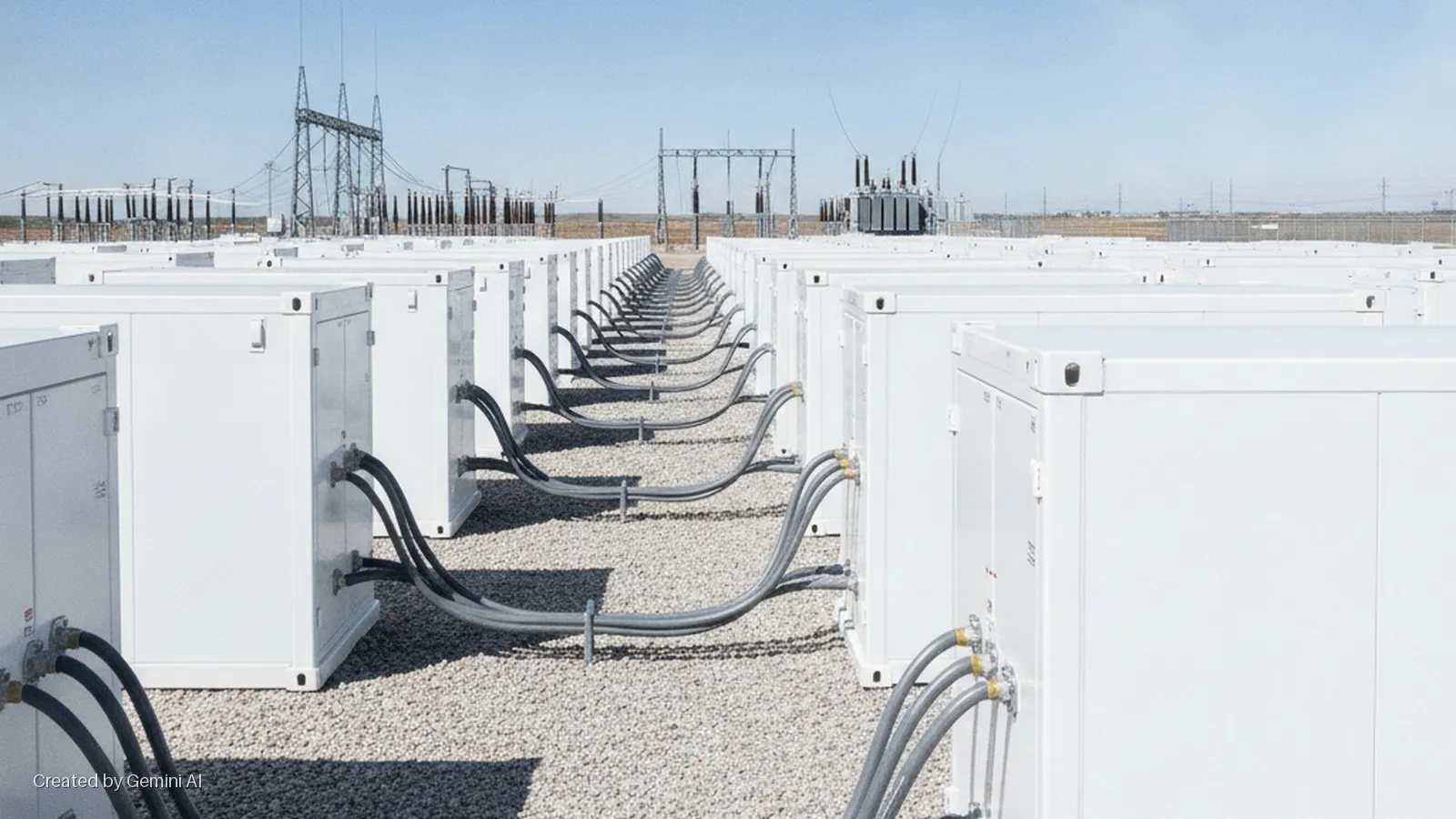
Copenhagen Infrastructure Partners (CIP) has reached financial close and commenced construction on La Esperanza Solar, a 420 megawatt-peak (MWdc) solar photovoltaic project paired with a 150 MW / 750 megawatt-hour (MWh) battery energy storage system (BESS) in the state of Campeche, on Mexico's Yucatán Peninsula. The project is CIP's first investment in Mexico to reach this milestone and marks a significant step in the firm's Latin American growth strategy.
The project financing totals approximately USD 510 million in debt facilities, arranged by a five-bank consortium: BNP Paribas, JPMorgan Chase Bank, Natixis CIB, Santander and Scotiabank. Equity is provided by CIP's Growth Markets Fund II, with an expected co-investment from Profuturo, one of Mexico's largest retirement fund administrators. Commercial operations are targeted for 2028.
The deal
La Esperanza Solar is underpinned by a long-term power purchase agreement (PPA) with CFE Calificados, the large-client commercial arm of Comisión Federal de Electricidad (CFE), Mexico's state utility. The project has been designated a priority by Mexico's Ministry of Energy (SENER) under the country's binding energy-planning framework, giving it a degree of regulatory backing that materially reduces offtake risk for lenders.
Peter Halmø, Head of Latin America and Managing Director at CIP, said the project reflects "close collaboration with contractors, authorities, and partners" and described pairing solar with battery storage as "central to bringing more renewable energy onto the Mexican grid." CIP did not disclose the contracted PPA price or the project's total equity commitment.
Market context
Mexico's Yucatán Peninsula has seen rising electricity demand that has outpaced available generation and grid-balancing capacity, creating a strong structural case for utility-scale solar paired with multi-hour storage. The five-hour BESS configuration sits at the upper end of commercially deployed storage durations in the country and the developer describes it as one of Mexico's largest battery installations of this kind.
CIP's Growth Markets Fund II is part of a broader capital-allocation thesis targeting fast-growing emerging economies where infrastructure deficits create long-duration, government-backed revenue certainty. The fund is distinct from CIP's core European infrastructure vehicles and is structured to attract institutional co-investors, including pension capital, alongside development-finance style returns. With EUR 37 billion raised across 15 funds and projects in more than 30 countries, CIP is among the larger pure-play energy infrastructure managers globally. Several international peers, including Actis, Macquarie and BlackRock's climate infrastructure arm, are also active in Latin American renewable energy.
The involvement of a Mexican pension fund as equity co-investor is notable. Emerging-market infrastructure deals are increasingly being structured to include domestic institutional capital, both to broaden the investor base and to align project risk with local long-term savers, a model gaining traction across Latin America's energy transition.
Policy and forward milestones
Mexico's energy policy backdrop is complex: the current government has historically favoured state utility CFE over private renewable investment, making projects that receive SENER priority status and carry a CFE offtake comparatively unusual in their risk profile. A CFE PPA provides sovereign-adjacent revenue certainty, but investors will be watchful of any shift in energy-sector policy that could affect future permitting or dispatch priority for private generators.
Near-term milestones to monitor include confirmation of Profuturo's equity co-investment amount, construction progress through 2027, and the project's commercial-operation date in 2028. CIP's ability to reach financial close on a second Mexican project within its GMF II fund cycle will signal whether the firm can replicate this structure at scale across the region.