
Eos Energy consolidates zinc battery manufacturing at Thorn Hill

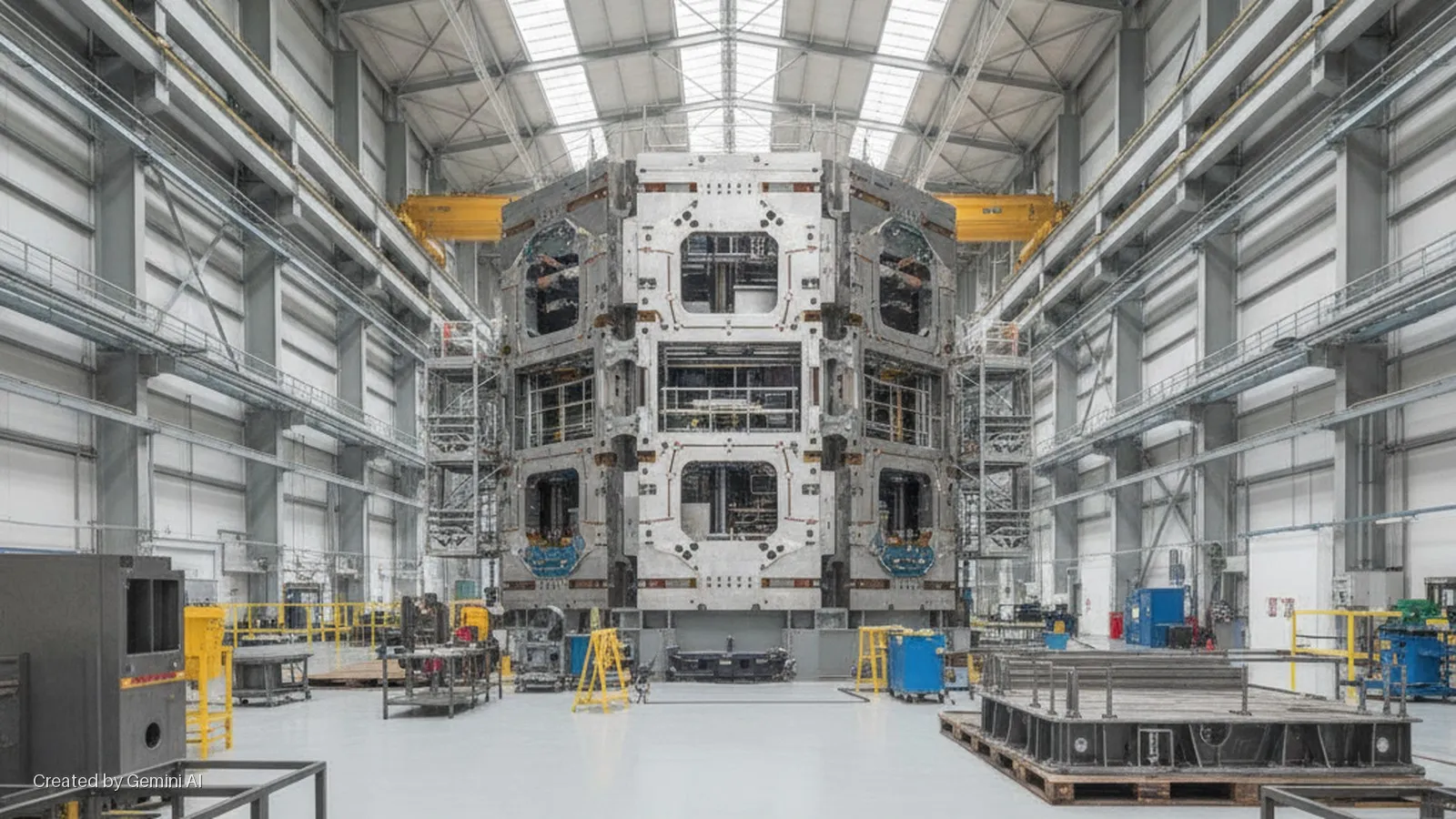
Eos Energy Enterprises has announced it will consolidate all battery manufacturing at its 432,000-square-foot Thorn Hill facility in Warrendale, Pennsylvania, moving operations out of its original Turtle Creek site. The NASDAQ-listed developer of zinc-based long-duration energy storage (LDES) systems says the consolidation is expected to reduce conversion costs by approximately 10% to 15%, with savings beginning in 2027. Once both production lines are running at Thorn Hill, the company's nameplate capacity is expected to reach approximately 4 GWh.
The move was first flagged to investors on Eos's second-quarter earnings call on 5 August 2026. The company said the transition and its associated costs are already reflected in its full-year 2026 revenue guidance of $300 million to $350 million. Cube assembly, testing and shipping will continue at Turtle Creek's Building 200, keeping the site active. The physical relocation is expected to begin in the fourth quarter of 2026 and complete in early 2027, subject to lender approvals.
The operational rationale
Chief executive Joe Mastrangelo said the company had simply outgrown its original footprint. Running both production lines under one roof shortens material flow, improves overhead utilisation and increases output per square foot. Chief operating officer John Mahaz noted that Line 2 at Thorn Hill was already validated and ramping before the Line 1 relocation was initiated, allowing the company to sequence the move without disrupting customer deliveries.
Eos began commercial production at Thorn Hill in June 2026, less than six months after taking possession of the facility. The Eos Z3 battery uses a non-flammable zinc chemistry capable of storing energy for four to sixteen-plus hours, with the company reporting approximately 91% domestic content across its supply chain. That domestic-content figure is commercially significant under current US manufacturing incentive regimes.
Market context
LDES is a contested and capital-intensive category. Zinc-based systems compete with vanadium flow batteries, iron-air chemistry, thermal storage and pumped hydro for offtake from utilities and grid operators seeking multi-hour discharge beyond the four-hour limit of most lithium-ion installations. Eos's focus on domestic manufacturing positions it to benefit from US Inflation Reduction Act incentives, including the 45X advanced-manufacturing tax credit, which rewards domestically produced battery cells and components. Consolidating onto a single high-throughput line is a standard cost-reduction lever as LDES developers move from pilot to commercial scale, and the 10–15% conversion-cost target is consistent with efficiency gains that comparable manufacturers have reported after footprint rationalisation.
The broader LDES market is still finding its commercial footing. Several well-funded developers have struggled to convert project pipelines into signed offtake agreements at scale, and investors have grown more focused on unit economics and delivery track records than on capacity ambitions alone. Eos's $300 million to $350 million revenue guidance for 2026 suggests a meaningful commercial backlog, though the company has not disclosed the margin profile or the mix between hardware sales and longer-term service contracts.
What investors will watch
The company's commitment to retain all approximately 250 affected employees, including around 205 United Steelworkers union members, reflects both a community obligation and a practical need to maintain experienced production staff through the transition. That retention plan, conducted in partnership with the Commonwealth of Pennsylvania and Allegheny County, reduces the risk of skill attrition during the line move.
Near-term milestones will include confirmation that lender approvals have been received, the Line 1 relocation completing on schedule in early 2027, and any update on whether the 4 GWh nameplate figure translates into contracted or deployed capacity. Investors will also watch whether the conversion-cost reduction materialises within the guided timeline, and whether full-year 2026 revenue lands within the stated range.