
Eos Energy draws $87m DOE advance to fund 2 GWh zinc-air line

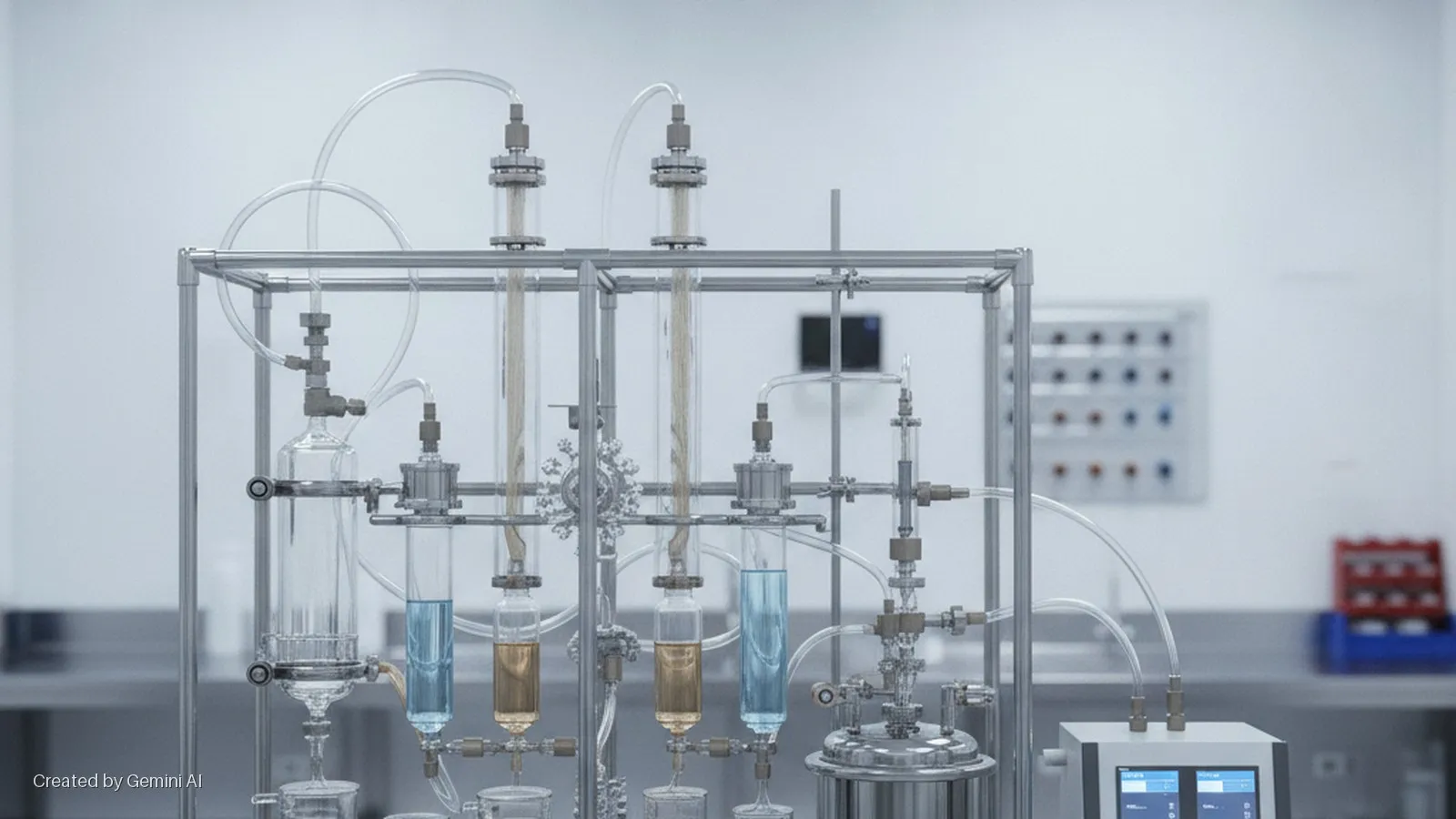
Eos Energy Enterprises has received an $87 million first advance under the second tranche of its loan agreement with the US Department of Energy's (DOE) Office of Energy Dominance Financing. The draw reimburses 80% of eligible costs at the company's Thorn Hill manufacturing facility in Warrendale, Pennsylvania, and brings total DOE borrowings to approximately $178 million since 2024.
Line 2 at Thorn Hill entered commercial production in June 2026 and is being ramped toward a designed annual capacity of around 2 GWh. Eos says that once Line 1 is relocated to the same site, subject to lender approval, the facility should support roughly 4 GWh of combined annual manufacturing capacity. The company added it expects to create jobs across four shifts to staff the new line.
The deal
Chief financial officer Alessandro Lagi said the advance returns capital already deployed in Line 2 back to the balance sheet, giving the company flexibility to invest further without taking on additional net leverage. Chief operating officer John Mahaz noted that consolidating two lines under one roof improves utilisation of engineering resources and is expected to reduce per-unit manufacturing cost as throughput grows.
Eos produces zinc-based long-duration energy storage (LDES) systems using its proprietary Znyth technology, a zinc-manganese-oxide chemistry it positions as non-flammable and reliant on widely available materials rather than scarce critical minerals such as lithium or cobalt. The company targets discharge durations of four to sixteen-plus hours, a window that bridges the gap between conventional four-hour lithium-ion systems and longer-duration technologies such as iron-air or flow batteries.
Market context
The LDES category has attracted substantial policy and private-capital attention as grid operators seek storage solutions capable of shifting renewable generation across multi-hour or multi-day periods, not just smoothing intraday peaks. Zinc-based chemistry competes with vanadium flow batteries, iron-air systems and thermal storage across this space; each chemistry involves different trade-offs on round-trip efficiency, cycle life and materials cost. Several well-capitalised developers are still in the pre-commercial or early commercial ramp phase, making manufacturing scale-up and unit-cost reduction the central competitive variable.
The DOE loan facility underpinning this advance sits within the broader federal effort to build domestic clean-energy manufacturing capacity, shaped by the Inflation Reduction Act's advanced-manufacturing incentives. The 45X production tax credit rewards US-made battery components, providing a structural cost advantage to domestic manufacturers relative to imported alternatives. For Eos, the DOE facility provides non-dilutive capital at a point when the company is still scaling toward the production volumes needed to drive meaningful cost reduction.
Investors will track the pace of Line 2's ramp toward its 2 GWh nameplate, the timing of the Line 1 relocation that would unlock the second 2 GWh, and whether the company secures additional customer offtake to absorb the expanded output. The availability of further DOE advances is conditional on Eos meeting ongoing compliance requirements under the loan agreement, which the company has flagged as a material variable in its SEC filings.