
Cespira reveals HPDI 3.0 fuel system ahead of Q4 production start

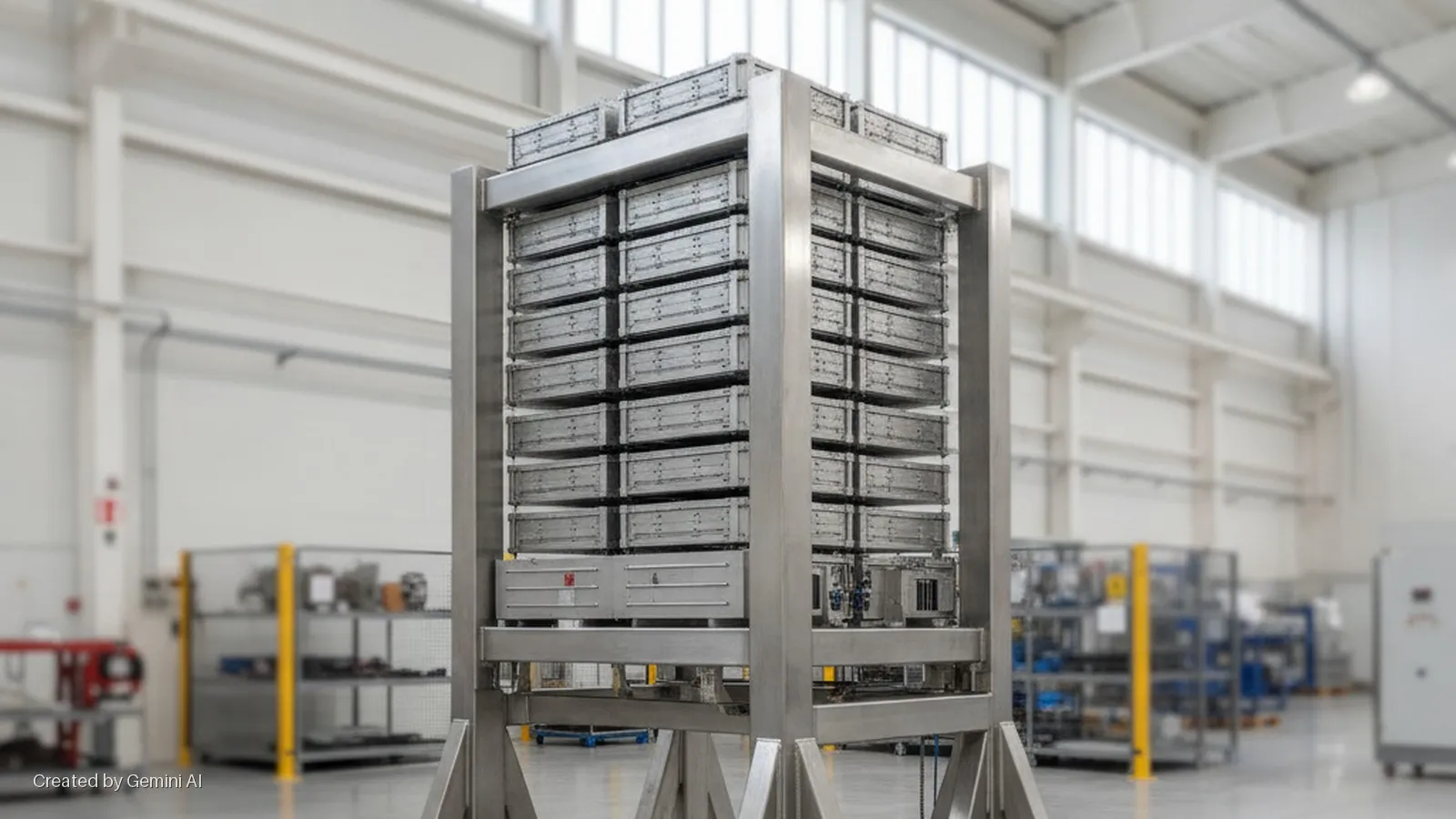
Cespira, the joint venture between Westport Fuel Systems and Volvo Group, has published technical specifications for HPDI 3.0, the latest iteration of its High Pressure Direct Injection (HPDI) fuel system for heavy-duty trucks. Production is set to begin in the fourth quarter of 2026, with the first equipped vehicles expected on the road in early 2027.
HPDI is a dual-fuel injection architecture that substitutes most of the diesel in a compression-ignition engine with liquefied natural gas (LNG) or bio-based LNG (bioLNG), using a small diesel pilot to ignite the charge. The principle allows operators to achieve diesel-like performance while cutting both fuel costs and greenhouse-gas intensity, provided the gas source qualifies as low-carbon.
What has changed in 3.0
The headline engineering changes centre on fuel rail-pressure control. A redesigned architecture gives original equipment manufacturers (OEMs) finer calibration of injection pressure, which the company says unlocks better fuel economy and higher power density from modern compression-ignition engines. The modular layout is claimed to extend the system to larger engine configurations, including V12 and other multi-bank setups, widening its potential use in off-road and industrial applications beyond the conventional long-haul truck market.
Cespira has also revised the injector sealing technology from its predecessor generation to extend component service life, and says the modular fuel-rail design gives OEMs more flexibility in packaging the system across different engine architectures. The company adds that the architecture has been designed with a pathway to hydrogen fuel applications as those supply chains mature, though no hydrogen-specific certification timeline was disclosed.
Scott Baker, chief technology officer of Cespira, said the new system offers OEMs "more precise fuel rail pressure control, higher injection pressure capability, enhanced durability and improved fuel economy", making it a stronger proposition for both LNG and bioLNG applications and providing a foundation to expand into other low-carbon fuels.
Westport chief executive Dan Sceli disclosed that Cespira's revenue grew 125% year-on-year from the second quarter of 2025 to the second quarter of 2026, citing the figure as evidence of commercial traction. No absolute revenue figure or unit-volume breakdown was given.
Market context
The 3.0 update lands at a competitive moment for heavy-duty alternative fuels. LNG and bioLNG compete with battery-electric and hydrogen fuel-cell powertrains for the same long-haul decarbonisation budget, and the case for each technology rests on a different combination of upfront cost, refuelling infrastructure, and total cost of ownership over a vehicle's life. HPDI's commercial argument has always been that it slots into existing compression-ignition engine programmes without a complete powertrain redesign, reducing OEM development risk.
The existing HPDI fleet has accumulated more than three billion kilometres across more than 12,000 trucks in over 35 countries, giving Cespira a meaningful real-world durability dataset relative to some rival technologies that are still largely pre-commercial in heavy duty applications. Volvo Group's participation in the joint venture provides direct access to a major OEM's engine development and validation infrastructure, a structural advantage over independent fuel-system suppliers.
The European regulatory backdrop is relevant. The EU's CO2 standards for heavy-duty vehicles, tightened in 2024, require truck makers to cut fleet-average CO2 by 45% by 2030 and 90% by 2040 relative to 2019 baselines. BioLNG can count against those targets under current rules, making certified bio-based gas supply a critical variable in the commercial case. The EU's FuelEU Maritime regulation and the emissions-trading system's extension to road transport create additional demand-side incentives to move away from conventional diesel.
Investors will watch for named OEM customers adopting HPDI 3.0, contracted bioLNG supply agreements to underpin fleet economics, and any update on hydrogen adaptation timelines as the next material milestones.