
We Care Solar brings solar STEM programme to 17 Chicago schools

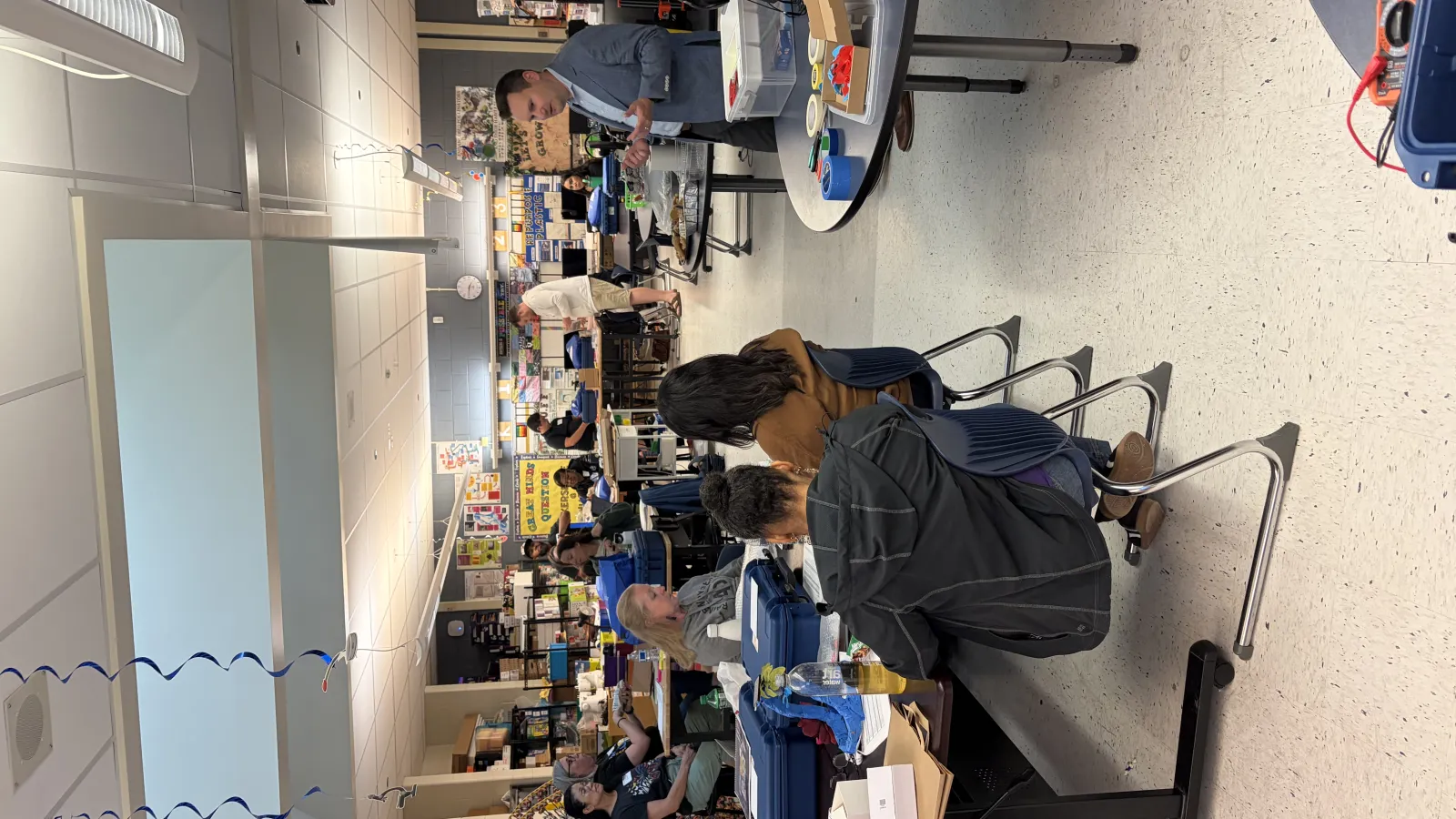
We Care Solar's Solar Solutionaries programme has launched its inaugural Chicago Public Schools cohort, backed by corporate funding from three distributed solar developers: Cultivate Power, Dimension Energy, and Summit Ridge Energy. Twenty-eight educators and district leaders from 17 campuses gathered at Langston Hughes Elementary School on Chicago's South Side in June for a two-day professional development workshop, assembling Solar Suitcase Learning Kits and working through a curriculum covering solar electricity and engineering design.
The three sponsors did not disclose the total financial commitment behind the Chicago launch, nor the per-school or per-student cost of the programme. During the 2026-27 academic year, participating teachers are expected to deliver hands-on solar learning to more than 2,000 students across the participating campuses.
The deal
Cultivate Power describes itself as the founding partner of the Illinois Solar Solutionaries programme, which it says has reached 60 schools across the state since 2024. Brian Matthay, managing director and co-founder of Cultivate Power, said the programme is an extension of the company's strategy to create community benefits near its solar project sites, alongside workforce development and scholarship commitments.
Dimension Energy framed its participation around the company's need for a technically literate pipeline of workers. David Granlund, senior vice president of operations at Dimension Energy, said the company is targeting "one gigawatt-plus" of distributed energy in Illinois, adding that state legislation has created the conditions for significant new capacity but that community awareness of the sector remains limited. Summit Ridge Energy, which reported more than 3 GW of solar and storage projects operating or in development nationwide and over $7 billion in project capital raised since its 2017 founding, is the third sponsor.
Market context
The Solar Solutionaries initiative sits at the intersection of corporate community investment and workforce development, a pairing that is becoming a standard feature of utility-scale and distributed solar developers' community-benefit agreements, particularly in markets with strong state-level renewable mandates. Illinois is one of the more active US state markets: the Climate and Equitable Jobs Act (CEJA), passed in 2021, set ambitious solar deployment targets and included equity provisions intended to direct a share of clean-energy jobs and procurement toward historically underserved communities. Illinois Shines, the state's adjustable block programme for distributed generation, is the primary commercial mechanism delivering that capacity.
Workforce pipeline initiatives of this kind are relatively low-cost compared with the capital expenditure of utility-scale project development, but they are becoming a common component of the social licence to operate in competitive state markets. Developers can point to them in community benefit plans required under CEJA's equity provisions and in responses to requests for proposals from community solar programmes.
The Solar Solutionaries model itself is scalable: We Care Solar, a nonprofit, provides the curriculum and training infrastructure, while corporate sponsors cover costs and provide sector-specific context. The Solar Suitcase Learning Kits built by Chicago students are also sent to schools and health facilities in energy-scarce communities internationally, giving the programme a dual local-and-global framing that sponsors appear to value for their own communications.
This release does not represent a capital raise, a project financing, or a commercial offtake agreement. It is a corporate social responsibility announcement. The market signal it carries is the growing consensus among distributed solar developers that community and workforce investment is a competitive differentiator in state markets with strong equity mandates, rather than a discretionary add-on. Investors in Cultivate Power, Dimension Energy, and Summit Ridge Energy should read it in that context.