
XCharge launches GridOne all-in-one storage system at ees Europe

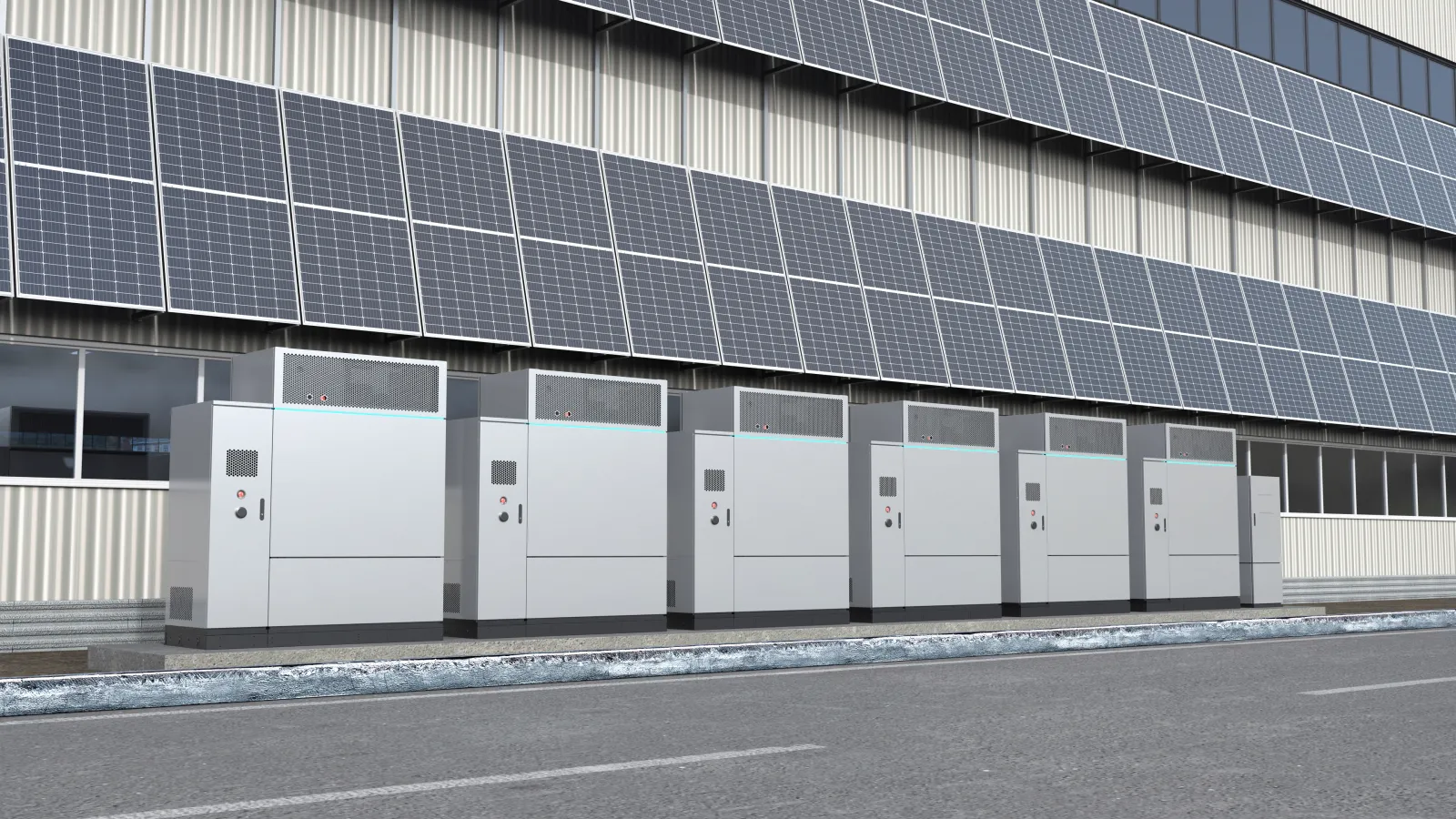
XCharge (Nasdaq: XCH), the Hamburg-headquartered electric vehicle charging supplier, has used the ees Europe trade fair in Munich to announce its first dedicated energy storage product. GridOne is a commercial and industrial all-in-one system combining a 215 kWh lithium iron phosphate (LFP) battery, 125 kW of power conversion system (PCS) capacity, and an optional 50 kW photovoltaic maximum power point tracking (MPPT) input in a single integrated unit. The company is positioning the launch as a strategic pivot from pure charging infrastructure into a broader energy ecosystem.
XCharge did not disclose a list price for GridOne, a production volume target, or any signed customer contracts at launch. The release confirms that the system has been developed with a European compliance evidence package, and that the company already holds a supplier listing with German utility-scale charging operator EnBW.
The product
GridOne is designed for commercial sites with constrained grid connections: charging parks, industrial facilities and mixed-use commercial properties where peak demand charges or limited grid headroom make battery storage economically attractive. Supported use cases include peak-shaving, solar self-consumption, EV charging load-buffering, back-up power and microgrid operation. The system supports both on-grid and off-grid modes and is designed for parallel multi-unit deployment, allowing capacity to be scaled without a grid upgrade.
Connectivity options include Ethernet, Modbus TCP/RTU, RS485, CAN and cloud integration. The system also supports OCPP 1.6J, the open protocol that allows it to communicate directly with XCharge's own DC fast chargers, an important interoperability feature for operators managing combined charging and storage sites.
Co-chief executive Albina Iljasov said the move into storage was a direct consequence of the company's experience in high-power charging: "GridOne helps operators use energy more flexibly, reduce peak loads and operate charging infrastructure economically even where grid capacities are limited."
Market context
XCharge is entering a commercial and industrial (C&I) battery storage segment that has attracted a crowded field of suppliers. Established players including CATL, BYD, Sungrow and Powin already sell integrated PV-battery systems into European C&I sites, and grid-edge storage specialists have grown their European install bases on the back of rising electricity prices and grid-connection queues that can run to several years for large sites. The LFP chemistry XCharge has chosen is now the dominant technology for stationary storage, favoured for its thermal stability and cycle life relative to nickel-manganese-cobalt alternatives.
The commercial case for C&I storage in Europe has improved materially over the past two years. Network tariff structures that penalise peak demand, combined with high wholesale price volatility, have shortened payback periods in several markets. Germany in particular has seen grid-connection constraints tighten as industrial electrification and EV charging roll-out compete for available capacity, a dynamic that directly matches GridOne's stated use case.
Policy and capital backdrop
European energy storage deployment has been supported by the EU's revised Renewable Energy Directive (RED III), which mandates member states to streamline permitting for storage, and by national industrial electricity pricing schemes in Germany and France that create a direct financial incentive for peak-demand reduction. The EU's Net-Zero Industry Act also lists battery storage as a strategic technology, opening access to accelerated permitting and state-aid flexibility.
For XCharge, the product launch represents an attempt to cross-sell into the growing base of charging-infrastructure customers while broadening the company's revenue base beyond EV chargers. Investors will look for early commercial contracts, confirmed deployment volumes, and any update on whether GridOne qualifies for European or national incentive schemes as the key near-term signals of traction.