
Ferrox targets Q4 ilmenite and magnetite concentrates at Tivani

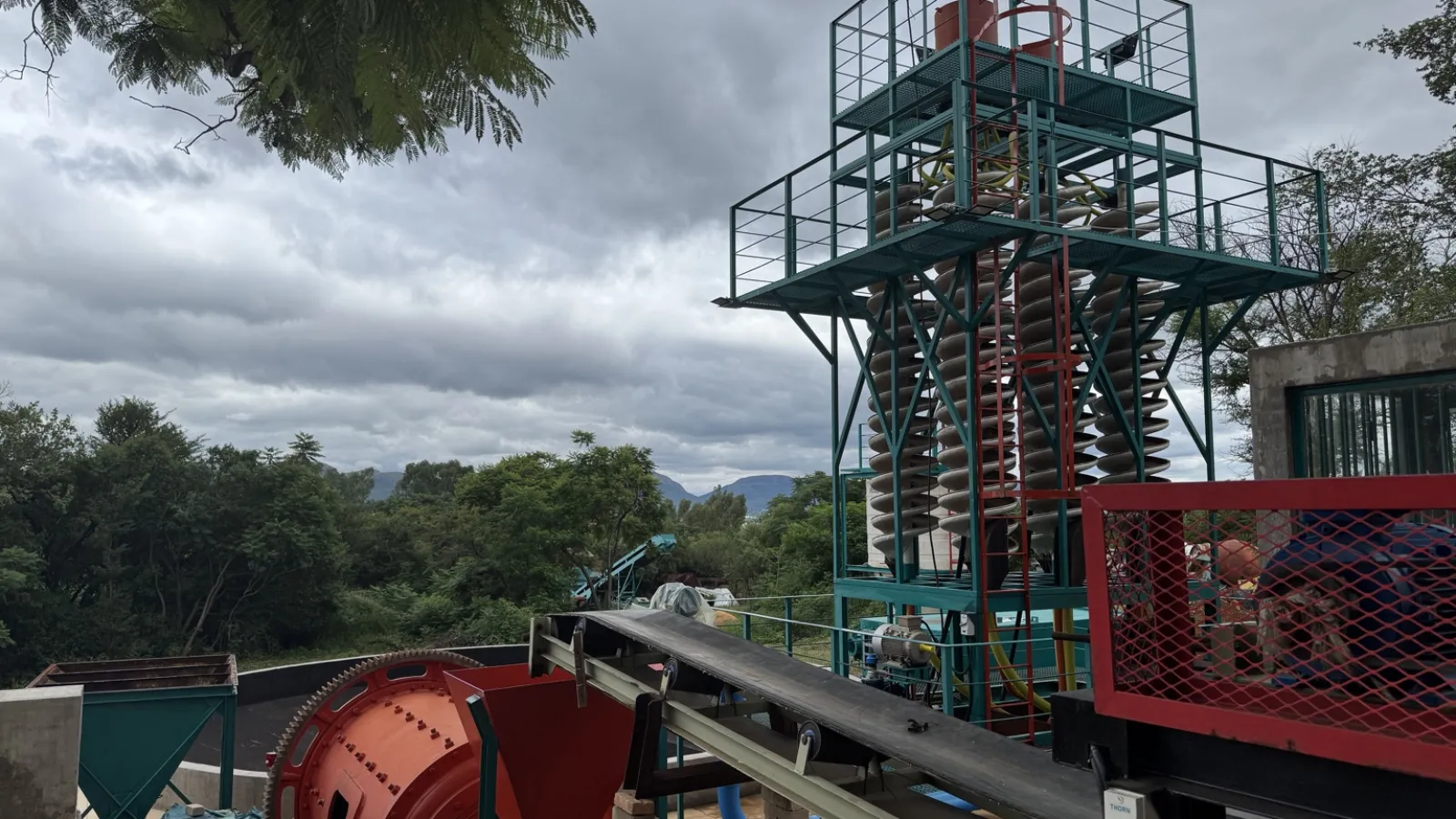
Ferrox Critical Materials is pushing its Tivani titanomagnetite project in Limpopo, South Africa, toward demonstration-scale concentrate production in the fourth quarter of 2026, earlier than previously planned. The accelerated timeline was welcomed by Smartkem (Nasdaq: SMTK), the electronic-materials company that has announced a proposed merger with Ferrox and filed for SEC registration of the share-based transaction.
The revised development pathway combines on-site ore preparation and wash-plant construction at the Tivani mine with a toll-milling arrangement using an established local South African processing operator. Ferrox says the hybrid approach allows it to generate operating data and initial product ahead of completing a larger permanent processing facility at the mine site. Target concentrate specifications are approximately 56% titanium dioxide (TiO₂) for the ilmenite stream and approximately 62% iron (Fe) for the magnetite stream, subject to commissioning results and feed characteristics.
Ferrox has also issued a purchase order to consultancy Sound Mining for optimisation of the Tivani open-pit mine plan, covering mining sequences, production scheduling and integration with the demonstration processing strategy.
The deal
Smartkem and Ferrox have not disclosed the financial terms of their proposed merger, nor the total development capital required to move Tivani from demonstration to full-scale modular production. The press release does not name any offtake counterparties, contracted volumes, or concentrate prices. Ferrox holds a 74% beneficial interest in Tivani through its subsidiary structure; the remaining 26% is held by Red River Exploration and Mining, the project's Broad-Based Black Economic Empowerment partner under South African mining law.
Terrence Duffy, chairman and chief executive of Ferrox Critical Minerals, framed the objective plainly: "Move Tivani from development into physical production sooner, prove the flowsheet at meaningful scale, and begin creating real operating and commercial data."
Market context
Ilmenite and magnetite are the primary commercial outputs of titanomagnetite deposits. Ilmenite is the dominant feedstock for titanium dioxide pigment, used widely in paints, coatings and plastics, and is also a precursor to titanium metal and sponge used in aerospace and industrial applications. Magnetite concentrate is a direct-shipping iron ore product with steel-industry applications.
Critical minerals processing is attracting growing capital attention as governments in Europe, North America and Australia seek to reduce reliance on Chinese refining capacity. Titanium sits on the European Union's Critical Raw Materials list and the UK's Critical Minerals Strategy list, though the market for raw ilmenite concentrate is more commoditised than for downstream titanium metal or titanium tetrachloride. Ferrox's staged approach, using toll-milling to de-risk the flowsheet before committing capital to permanent infrastructure, is a recognised project-development technique in junior mining but carries execution risk tied to third-party mill availability and metallurgical performance on actual ore.
The Smartkem side of the proposed merger is an organic-semiconductor materials business with no operational overlap with titanium mining; the commercial rationale for the combination is not explained in the release, and investors will be looking to the forthcoming SEC proxy statement and prospectus for deal terms and strategic rationale.
Policy path
South Africa's Mineral and Petroleum Resources Development Act and B-BBEE ownership requirements shape the project's regulatory and community-equity structure, while export-market demand for Tivani's concentrates will depend on titanium pigment and steel market conditions rather than on green-transition subsidies directly. The broader critical-minerals policy environment, including the EU Critical Raw Materials Act's target of sourcing 10% of strategic minerals domestically and diversifying the remainder, could support longer-term offtake interest from European buyers seeking supply-chain resilience. No binding offtake agreements are disclosed at this stage.