
Nth Cycle selected for up to $100m DOE grant for black mass refinery

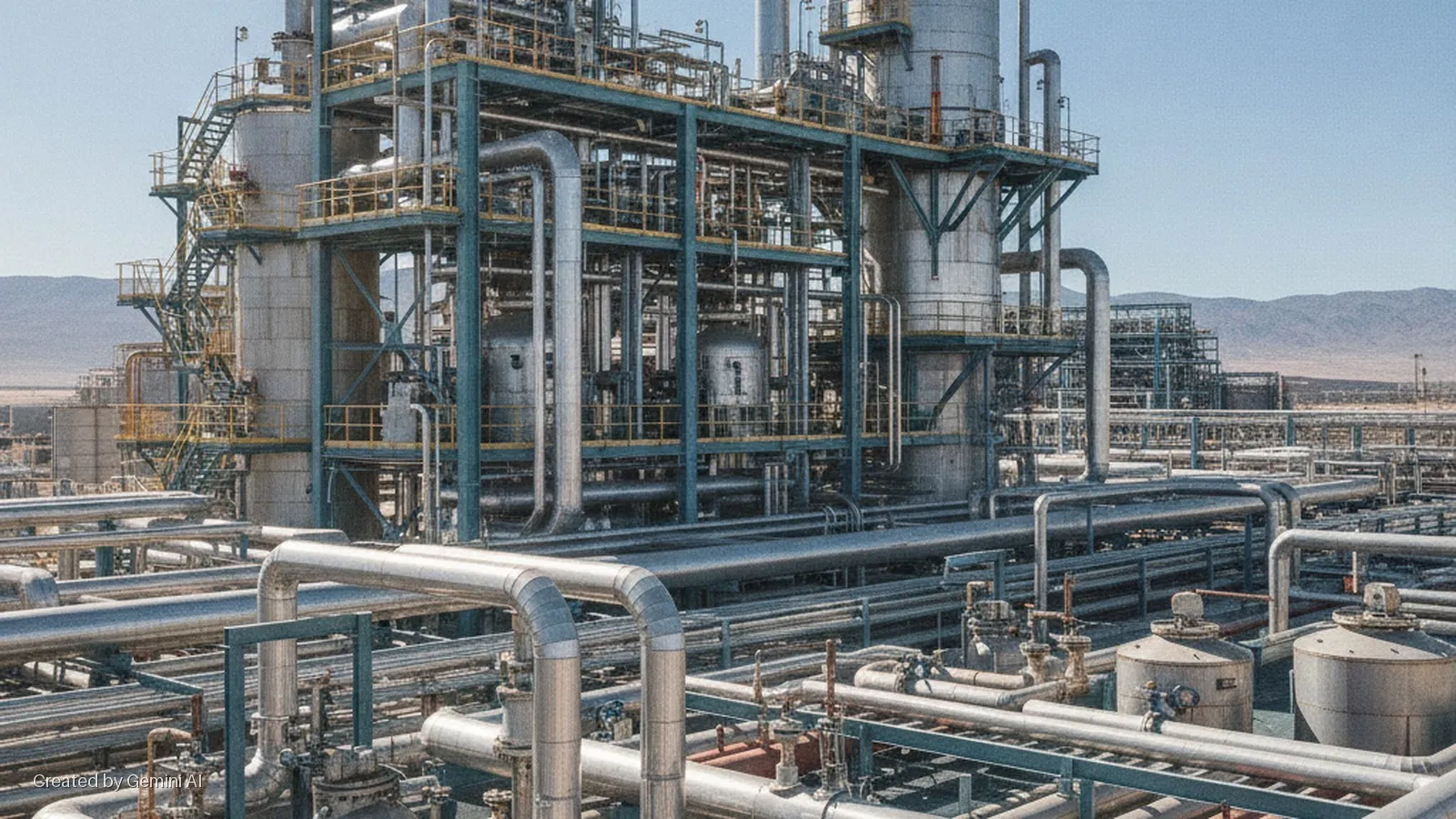
Nth Cycle, a Massachusetts-based critical minerals refining company, has been selected by the US Department of Energy (DOE) to enter award negotiations for a grant of up to $100 million. The funding would support development and construction of a commercial-scale black mass refining facility in the Southeast United States, designated Project SHIELD (Strategic Hub for Industrial Electroextraction and Logistics Defense). The facility is designed to process up to 24,000 metric tons of black mass annually, converting the shredded remains of spent lithium-ion batteries into high-purity nickel mixed hydroxide precipitate (MHP) and battery-grade lithium carbonate.
Black mass is the granular material produced when end-of-life lithium-ion batteries are mechanically shredded. It retains recoverable quantities of nickel, cobalt, lithium and manganese, but requires refining before it can re-enter battery manufacturing. The DOE selection was made under the Battery Materials Processing and Battery Manufacturing and Recycling grant programme, administered by the department's Office of Critical Minerals and Energy Innovation.
The deal
Project SHIELD is supported by a binding 10-year offtake term sheet with commodity trader Trafigura, valued at approximately $1.1 billion. Under the agreement, Trafigura would purchase 2,000 metric tons of nickel contained in MHP and 1,500 metric tons of battery-grade lithium carbonate from Nth Cycle. The Southeast site was chosen for its proximity to port infrastructure and the broader energy and advanced-manufacturing corridor developing across that region. Commercial operations are targeted for as early as 2029, and the project is expected to support 800 to 1,000 construction jobs and 54 permanent positions.
The company's existing Ohio facility, which began operations in 2024, has completed more than 3,400 production hours and reports 99% recovery and 98% MHP purity rates from scrap feeds. Nth Cycle says its modular OYSTER system can be installed inside existing industrial buildings in as little as two years, including permitting, and claims more than 70% lower capital intensity than conventional refining approaches.
Co-founder and chief executive Megan O'Connor said: "Domestic refining capacity is the difference between critical mineral access and critical mineral security. Without refining capacity, those resources can't be used for new manufacturing."
Market context
The grant and the project sit inside a rapidly shifting policy environment for domestic critical minerals. On 30 July 2026, the Trump administration issued a determination classifying recoverable critical minerals as strategic national-security assets, and the Department of Commerce subsequently imposed a one-year export ban on black mass. That ban creates a captive domestic feedstock pool but also tightens the urgency to build domestic processing routes. Without sufficient refining capacity, the ban risks stranding material that would otherwise have flowed to Chinese processors, which have long held a near-monopoly on black mass refining at commercial scale.
Nth Cycle sits in the midstream of the battery-materials value chain, between collection and shredding at one end and cathode-active material production at the other. This segment has attracted growing capital as Western governments and industrial buyers seek to reduce dependence on Chinese processing. Several well-capitalised developers are pursuing alternative chemistries and processing routes, including hydrometallurgical and pyrometallurgical refining, alongside electroextraction approaches. The modular, lower-capital model Nth Cycle promotes is positioned as an answer to the long lead times and high upfront costs that have slowed conventional refinery development in North America.
Policy path
The DOE grant is not yet finalised. The selection initiates award negotiations and is subject to DOE review of project plans, milestones and other terms, meaning final funding amounts may differ or the award may not proceed. Investors and offtakers will watch for formal award confirmation, a final investment decision, and commissioning updates at the Ohio plant as near-term signal points. The durability of the black mass export ban and the administration's broader critical-minerals posture will also shape the commercial case for the facility over its projected operational life.