
Phoenix Tailings wins $500m US defence loan for rare earth plant
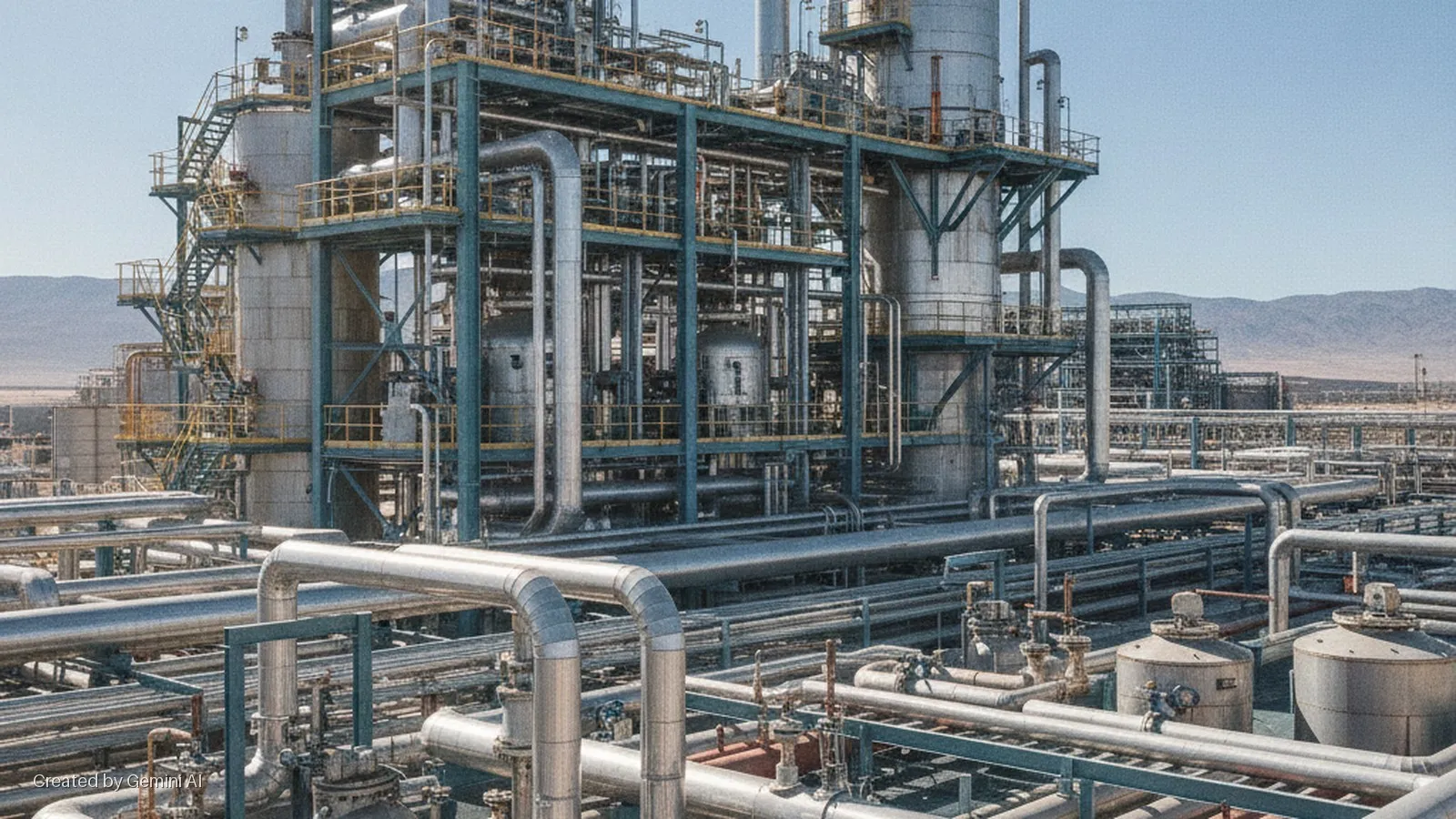
Phoenix Tailings has secured a conditional $500 million long-term debt commitment from the US Department of War's Office of Strategic Capital (OSC), anchoring what the company describes as an approximately $1 billion financing initiative to fund its Freedom Facility, a large-scale rare earth separation and metallisation plant. Initial operations are targeted for 2028.
The Burlington, Massachusetts-based company said the Freedom Facility will process a range of feedstocks, including mining concentrates, recycled materials and secondary sources, to produce both light and heavy rare earth metals for defence systems, advanced manufacturing and allied supply chains. The facility is designed around domestically controlled technology and intellectual property, with the stated aim of reducing dependence on foreign processing capacity.
The deal
The OSC commitment is conditional: Phoenix Tailings must satisfy financial, legal and technical due diligence requirements before the loan moves to financial close. The release did not disclose the equity component of the roughly $1 billion total, the identity of any co-investors, the facility's planned processing capacity in tonnes per year, or the contracted offtake terms. The gap between the conditional $500 million debt and the stated $1 billion initiative implies additional capital yet to be announced.
David Lorch, Director of the Office of Strategic Capital and Senior Adviser to the Deputy Secretary of War, described rare earth midstream processing as a "key shortage area that needs to be rapidly addressed" and framed the Freedom Facility as an important step in strengthening a full mine-to-magnet supply chain in the United States.
Market context
Rare earth midstream processing sits between upstream mining or recycling and downstream magnet and component manufacturing, and is the segment of the value chain where Western industrial capacity is most constrained. China currently dominates global rare earth separation and metallisation, a position that carries well-documented supply-chain risk for defence hardware, wind-turbine generators, EV traction motors and consumer electronics. Several US, European and Australian programmes are attempting to replicate that midstream capability domestically, including MP Materials' integrated magnet plant in Texas and a handful of earlier-stage European projects backed by the EU Critical Raw Materials Act.
Phoenix Tailings says its processing platform differentiates itself through cleaner chemistry compared with conventional solvent-extraction techniques, which carry environmental and worker-safety liabilities. The company cites lower energy costs and reduced hazardous-waste output as competitive advantages, though those claims have not been independently verified in this release.
The OSC instrument is a long-term debt facility rather than a grant, meaning Phoenix Tailings retains the obligation to service the loan from project revenues. That structure aligns with the OSC's mandate to deploy capital efficiently rather than subsidise, but it also means the facility's economics must ultimately stand on contracted offtake or market pricing for the metals it produces.
Policy read-across
US critical-minerals policy has accelerated sharply since the Inflation Reduction Act introduced domestic-content requirements for battery and clean-energy tax credits, creating a direct commercial link between rare earth supply-chain localisation and clean-energy project economics. The Department of Defense's investment here reflects a parallel national-security strand of the same industrial-policy push, using the OSC's Title 17-style lending authority to de-risk private capital into strategically important facilities.
The Freedom Facility's 2028 target places it in the same operational window as several other first-of-kind critical-mineral projects seeking to establish domestic processing before supply-chain pressures from the energy transition and defence procurement compound further. Investors tracking the critical-minerals space will look for Phoenix Tailings to confirm financial close, announce a named offtake agreement, and disclose the facility's annual processing capacity as the near-term milestones that would convert this conditional commitment into a bankable project.