
LiqTech wins US industrial wastewater reuse order for QureFlow

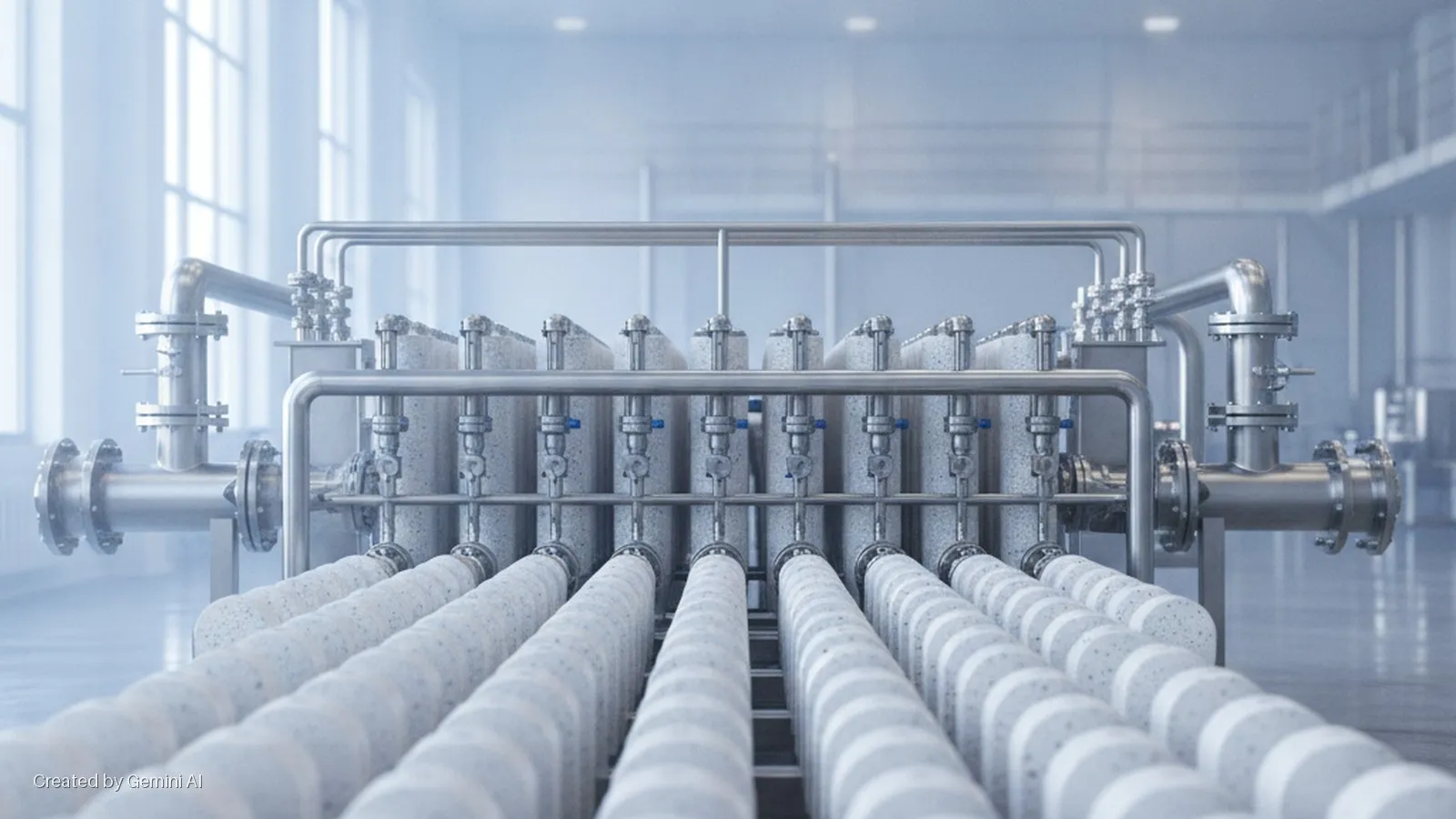
LiqTech International has secured an order for its QureFlow QF-6 ceramic membrane filtration system from a new US industrial customer, marking the Danish company's first deployment of the platform in an equipment-cleaning wastewater application. The system will be installed at a facility in Freeport, Texas, where it will filter highly variable wastewater generated by industrial equipment-cleaning operations and return the treated water to the site's wash-water supply.
LiqTech did not disclose the contract value, the name of the customer, or the volume of wastewater the system will process. The company said the customer expects to reduce both freshwater consumption and wastewater disposal volumes, though no quantified targets were provided.
Beyond oil and gas
The Nasdaq-listed company has historically positioned QureFlow within produced-water treatment for the oil and gas sector, where silicon carbide (SiC) membrane technology handles the high oil, solids and chemical loading typical of upstream operations. The Freeport order signals an attempt to extend that installed-base into broader industrial settings where wastewater composition shifts frequently depending on the equipment being cleaned and the contaminants involved.
Chief executive Fei Chen said the deployment "demonstrates the flexibility of our standardised QureFlow platform in addressing challenging industrial wastewater applications beyond the oil and gas sector." He added that the company views the project as a reference case as it pursues additional industrial water-reuse contracts in the US market.
The release positions variable-composition wastewater as the key differentiator for ceramic membranes relative to conventional polymer alternatives, which can lose filtration consistency when feed-water chemistry changes sharply. LiqTech's SiC membranes are described as delivering stable permeate quality with low suspended solids and oil carryover under those conditions.
Market context
Industrial water reuse is gaining commercial traction across several manufacturing-intensive sectors as freshwater stress tightens in the southern United States and regulators apply greater scrutiny to industrial discharge. Texas, where the Freeport plant is located, has experienced prolonged drought conditions that sharpen the economic case for closed-loop water systems. The industrial wastewater treatment market is served by a mix of large diversified water companies, specialist membrane manufacturers and equipment-rental providers; ceramic membranes remain a premium product competing on durability and performance consistency rather than upfront cost.
For LiqTech, which reported revenues of roughly $10 million in its most recent fiscal year, individual orders of undisclosed size carry meaningful signal value as reference deployments even where they do not materially shift the revenue line in the near term. The company has been working to diversify its customer base away from the cyclical oil and gas sector, where capital spending on produced-water infrastructure tracks crude prices closely.
Policy and capital read-across
Water reuse is not yet the subject of a dedicated federal incentive comparable to the US Inflation Reduction Act's energy credits, but the Environmental Protection Agency's Water Reuse Action Plan and state-level programmes in Texas and California are nudging industrial operators toward closed-loop systems. Corporate sustainability commitments around water stewardship are also creating procurement pressure, with industrial buyers increasingly treating water efficiency as an operational metric rather than a regulatory compliance floor.
Investors in the industrial water treatment space will watch whether LiqTech can convert the Freeport reference into a repeatable sales motion across chemicals, food processing, and other manufacturing verticals where wastewater variability is a known challenge. Confirmation of order values, a pipeline of similar deployments, and margin data on the standardised QureFlow platform will be the metrics that determine whether the diversification story holds weight.