
Next Hydrogen completes 10 MW electrolyser design for BC fuelling

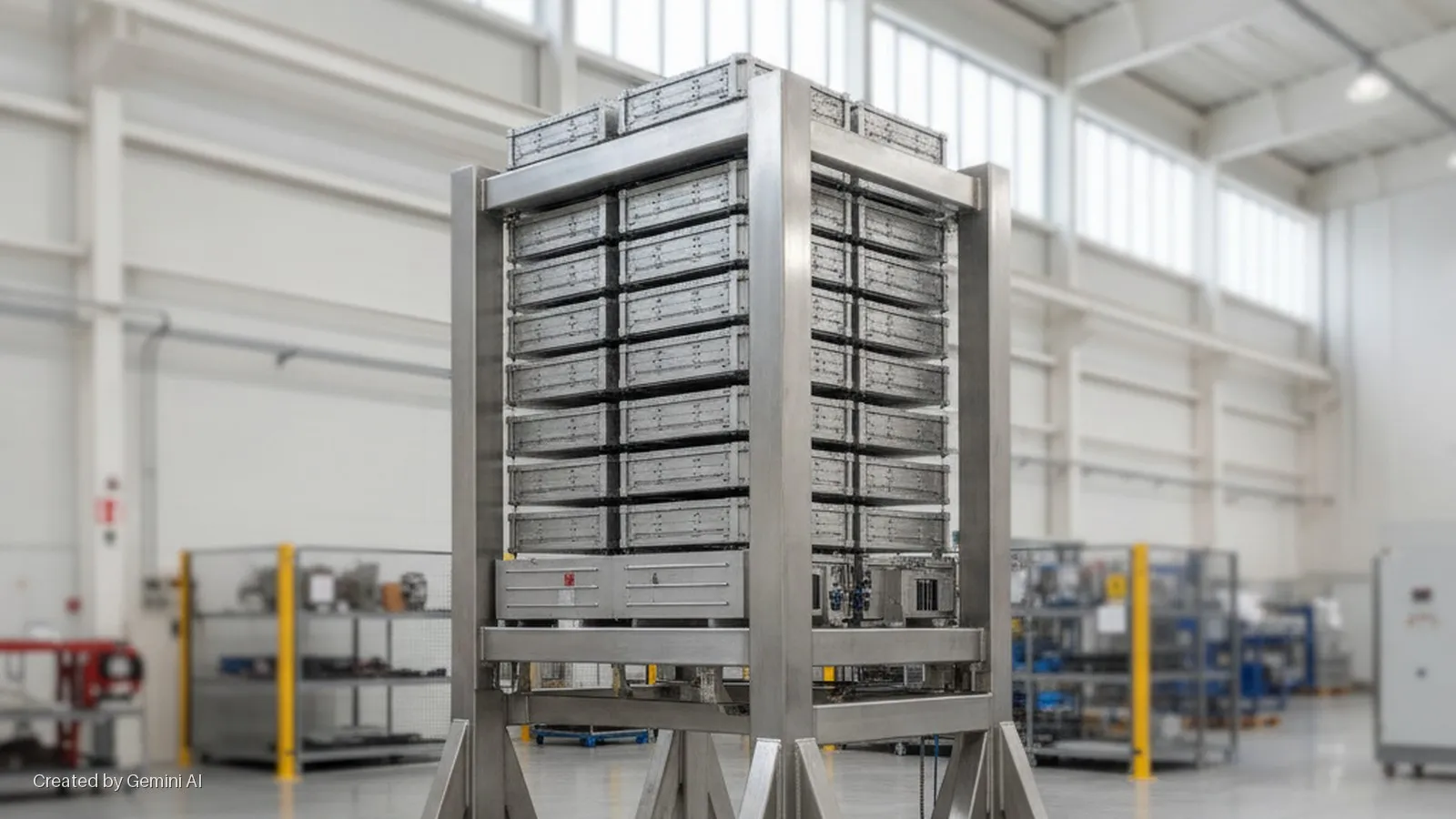
Next Hydrogen Solutions has completed a Basic Design Engineering Package (BDEP) for a planned 10 MW hydrogen fuelling station in British Columbia, working with an undisclosed customer. The Mississauga-based electrolyser manufacturer says the BDEP enables full cost definition for the project and is a key input to a final investment decision (FID), which the company targets before the end of 2026. Construction is expected to begin in late 2027 or early 2028.
The project is based on Next Hydrogen's containerised electrolysers, which the company describes as commercially deployed and capable of operating under variable power conditions, an attribute it says makes the technology well-suited to pairing with intermittent renewables. British Columbia's electricity grid is predominantly hydroelectric, giving the province relatively low-carbon, flexible power that can feed hydrogen production without the grid-emissions complications that complicate green-hydrogen economics in coal-heavy markets.
The project
Next Hydrogen has not disclosed the identity of the customer, the expected hydrogen output in kilograms per day, a capital cost estimate, or any offtake price. The release describes the station as serving the medium- and heavy-duty road transport sector, where hydrogen competes with battery-electric drivetrains. The company's executive chair, Stephen Griggs, said on-site production close to demand is the most effective route to competitive green hydrogen costs, and cited the company's containerised, prefabricated approach as reducing installation time and improving operational reliability.
The CleanBC Roadmap to 2030 is the provincial decarbonisation framework referenced in the release. British Columbia has positioned hydrogen as a priority technology for heavy transport, and the province's BC Hydrogen Office has been developing hydrogen hub corridors in the Lower Mainland freight network.
Market context
Green hydrogen produced by electrolysis remains more expensive than grey hydrogen derived from natural gas in most markets, with the cost gap narrowing as electrolyser capital costs fall and renewable power contracts become more competitive. Medium- and heavy-duty trucking is increasingly seen as the segment most likely to support commercial hydrogen fuel-cell adoption at scale, given the payload and range penalties of battery systems on long freight routes. Several developers across Canada, Europe and the United States are pursuing similar on-site, containerised electrolyser installations for fleet operators and logistics hubs, though most projects at this scale are still working through the FID and financing phases.
At the federal level, Canada's Clean Hydrogen Investment Tax Credit, introduced in the 2023 federal budget and refined subsequently, offers a tiered credit of up to 40 per cent of eligible capital costs depending on lifecycle emissions intensity. Projects in British Columbia may stack this against provincial support mechanisms, though the release does not specify which incentives the BC project is structured to access.
Next Hydrogen trades on the TSX Venture Exchange under the ticker NXH. The company was founded in 2007 and characterises its cell architecture as supporting high current density and superior dynamic response to variable electricity supply. Investors will watch for FID confirmation before the end of 2026, a named customer, and a capital cost figure as the milestones that validate the project's commercial viability.