
BUTEC wins EPC contract for 126 MWe Casablanca waste-to-energy plant

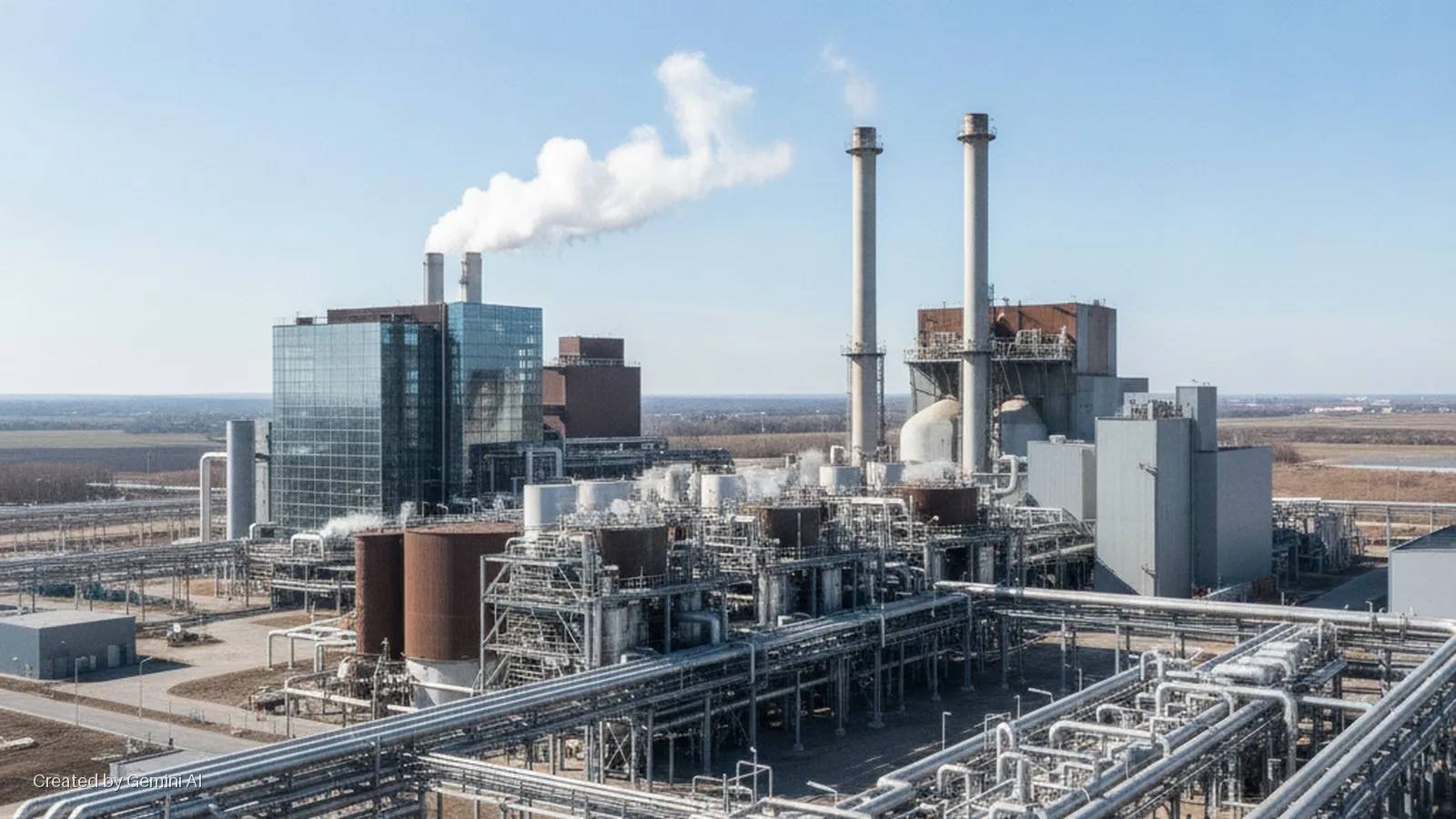
BUTEC, the Dubai-headquartered engineering and contracting group, has been awarded the engineering, procurement and construction (EPC) contract for a 126 MWe waste-to-energy (WtE) facility in Casablanca, Morocco. The contract was placed by a consortium comprising Nareva, Switzerland-based Kanadevia Inova and Japan's Itochu Corporation, which holds a 33.5-year concession from the Municipality of Casablanca to develop and operate the project.
The plant, to be located northwest of the Mediouna landfill in the Casablanca-Settat region, is designed to process approximately 1.5 million tonnes of non-recyclable waste per year, diverting material from landfill and converting it into baseload electricity. The developer says the facility is expected to prevent up to 1.0 tonne of carbon dioxide equivalent per tonne of waste processed, though this figure has not been independently verified and will depend on the emissions intensity of the grid power displaced.
Deal structure
Under the project's scope division, Kanadevia Inova retains responsibility for the process technology, operations support, long-term maintenance and facility financing. BUTEC's mandate covers civil works across the entire facility and the full EPC delivery of non-process buildings, infrastructure and associated mechanical, electrical and plumbing works. BUTEC said it is partnering with Kanadevia Inova as its technology counterpart for the civil and infrastructure components.
Raymond Daou, senior vice president for strategy and business development at BUTEC, said the contract reinforces the group's "contribution to the Kingdom's sustainable development ambitions" and described BUTEC as building a track record across three consecutive large-scale WtE projects in its operating geographies. The release did not disclose the contract value, the overall project capital cost, or the terms of the concession's revenue model.
Market context
Waste-to-energy incineration occupies a contested position in the energy transition. Proponents position it as a circular-economy bridge, diverting residual non-recyclable waste from landfill and generating dispatchable electricity. Critics argue large-scale incineration can disincentivise upstream waste reduction and recycling investment. At 126 MWe of baseload capacity serving a city of more than 4.2 million people, the Casablanca project sits at the larger end of WtE installations globally.
Morocco has established itself as one of Africa's more active markets for clean-energy infrastructure. The country's nationally determined contribution under the Paris Agreement targets 52 per cent renewable electricity by 2030, and the government has signalled ambitions to expand energy recovery from waste as part of its broader decarbonisation roadmap. For EPC contractors, the combination of long-duration concession structures and sovereign-backed off-takers in North African WtE creates project finance profiles that can attract international construction capital.
Kanadevia Inova, formerly part of the Hitachi Zosen group, is one of a small number of specialists with operating WtE references at utility scale. BUTEC, founded in 1964, operates across more than 21 countries in the Middle East and Africa, with a growing presence in the environmental-infrastructure segment.
Outlook
The project represents a material revenue event for BUTEC, though the absence of a disclosed contract value limits independent assessment of its financial impact. Investors and project-finance lenders will be watching for a confirmed construction start date and a grid-connection timeline to underpin the 33.5-year revenue stream attached to the concession. Morocco's regulatory environment for WtE remains less mature than European frameworks, which may affect the pace of permitting and financing close.