
LiqTech wins $2m steel-sector order for wastewater filtration

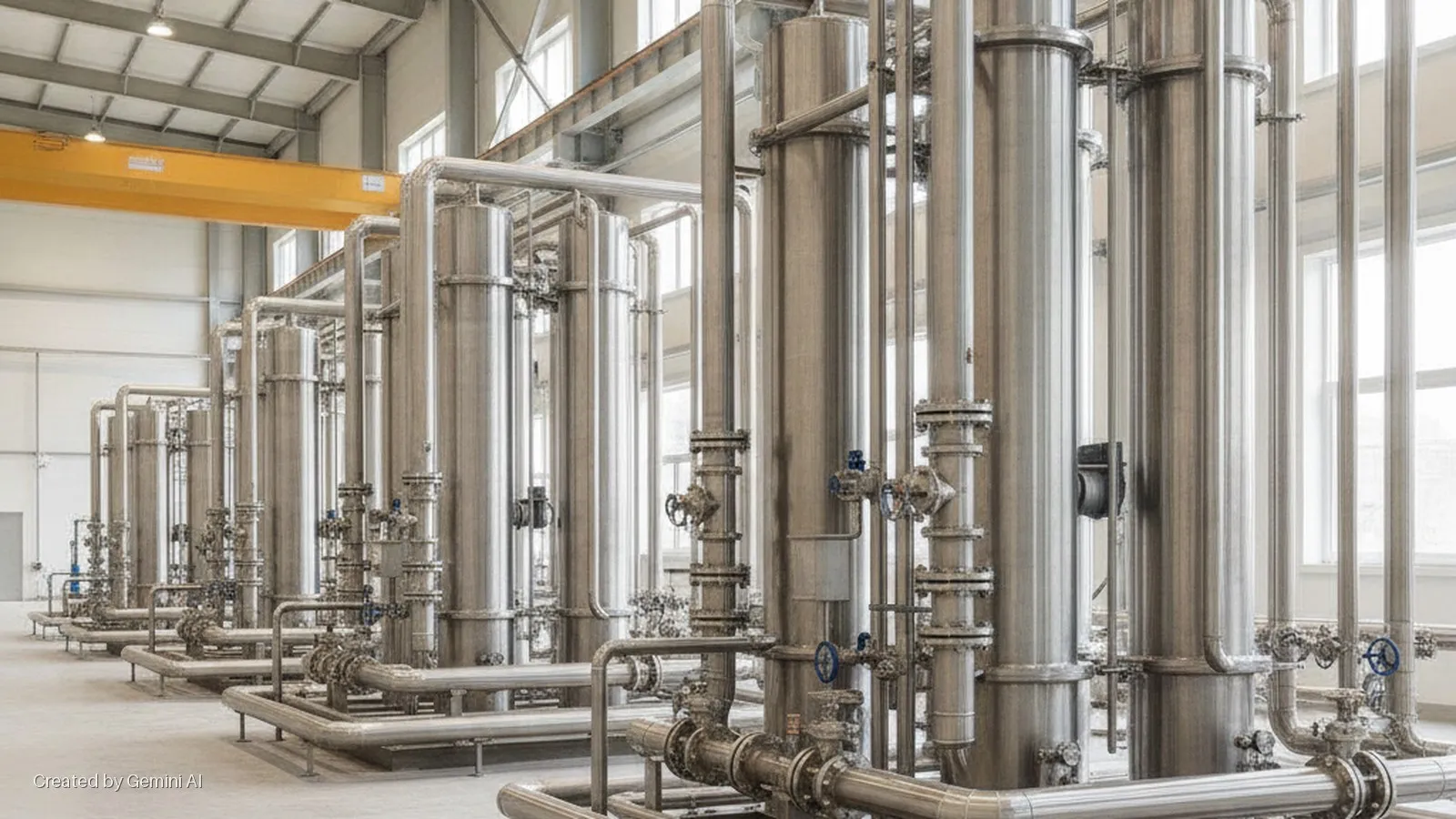
LiqTech International has secured a follow-on order worth more than $2 million from an unnamed US-based steel manufacturer, supplying four additional QureFlow ceramic membrane filtration systems. The Nasdaq-listed Danish company said the contract expands a relationship that began with a single system installed in 2025, bringing the customer's total to five of LiqTech's largest QureFlow configurations.
The combined installation will comprise 4,110 membranes covering approximately 1,368 square metres of membrane surface area. LiqTech said the expanded system is designed to handle an average flow rate of around 400 gallons per minute, with peak capacity of approximately 515 gallons per minute for limited periods. The company did not disclose the delivery timeline, the name of the steel manufacturer, or the contracted price per unit.
The technology
QureFlow systems use silicon carbide (SiC) ceramic membranes in a crossflow ultrafiltration configuration. Crossflow ultrafiltration passes the feed stream tangentially across the membrane surface rather than directly through it, reducing fouling and extending operational life in streams that carry suspended solids, oils, or variable chemistry. Silicon carbide is harder and more chemically resistant than polymeric alternatives, making it better suited to the high-temperature, high-solids wastewater typical of steelmaking operations.
Chief executive Fei Chen said the expansion from one system to five demonstrates how the QureFlow platform can support customers with "scalable, robust filtration capacity in complex process environments", and reflects the company's strategic focus on water treatment for energy and industrial applications.
Market context
Industrial wastewater filtration sits at the intersection of water scarcity, environmental compliance and decarbonisation pressure. Steel production is among the most water-intensive heavy industries; regulatory tightening on effluent quality and growing corporate commitments to water stewardship are driving investment in high-performance treatment capacity. The repeat-purchase pattern here, scaling from one unit to five within roughly a year, is a useful signal of field performance, though LiqTech has not provided independent verification of uptime or recovery rates.
Several established and emerging players compete in the industrial membrane filtration market, including Veolia, Pall (part of Danaher) and smaller specialty ceramics firms. The case for ceramic membranes over conventional polymer membranes rests on longevity and resistance to aggressive process streams, but ceramic systems carry higher upfront capital costs, making total-cost-of-ownership comparisons sensitive to operational assumptions.
Policy and capital read-across
US industrial water regulation, enforced through the Environmental Protection Agency's effluent guidelines for the iron and steel sector, continues to tighten, and several states have layered additional discharge standards on top of federal minima. The Inflation Reduction Act does not directly subsidise industrial wastewater treatment, but its broader industrial-decarbonisation provisions and the growing emphasis on water stewardship in ESG-linked financing are increasing procurement budgets for clean-process infrastructure in heavy industry.
LiqTech, which also serves marine scrubber water treatment and commercial pool markets, has been restructuring its product focus toward industrial and energy-sector water treatment. The $2 million order value is meaningful for a company of LiqTech's size, and the repeat-purchase dynamic suggests the initial installation met performance expectations. The next milestones to watch are a named customer reference, delivery confirmation, and any expansion of the QureFlow pipeline beyond steel into adjacent heavy-industrial verticals such as mining or oil refining.