
Lystek and Goleta Sanitary District win CASA innovation award

Lystek International and the Goleta Sanitary District (GSD) have jointly received the Excellence in Innovation and Resiliency Award from the California Association of Sanitation Agencies (CASA), recognising a biogas-enhancement project first deployed at GSD's facility in 2019. The award was presented at the CASA Annual Conference on 6 August 2026 in Napa, California.
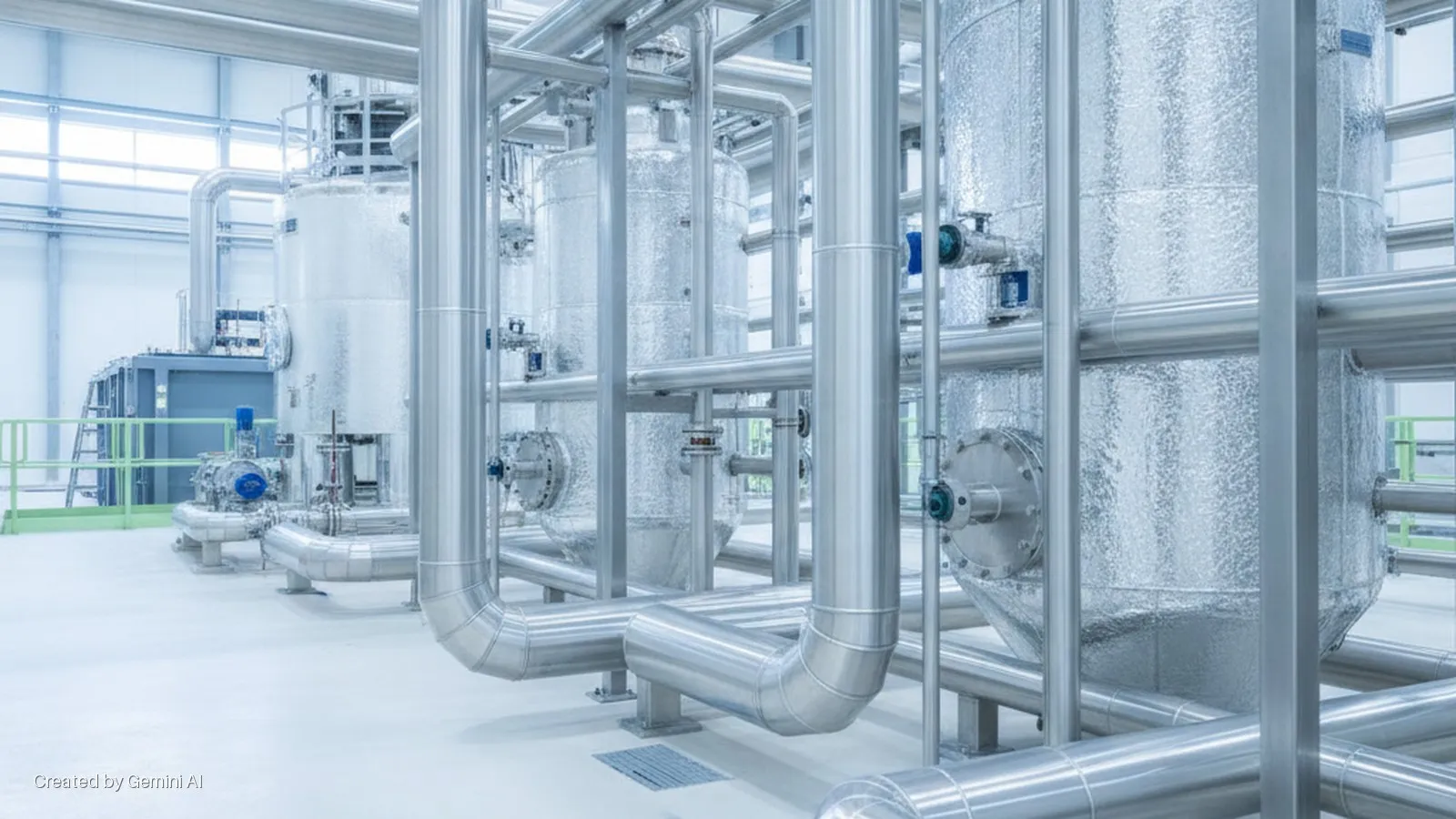
The project applies Lystek's thermal hydrolysis process (THP) technology to pre-treat thickened waste activated sludge before it enters GSD's mesophilic anaerobic digesters, a combined workflow the company markets as LysteMize. Thermal hydrolysis uses heat and pressure to break down organic material, making it easier for microbes in the digester to convert it into biogas. According to Lystek, the process generates additional biogas and substantially reduces the volume of residual solids compared with conventional mesophilic digestion, though the release does not specify percentage improvements or independently verified throughput figures.
The deal
The release provides limited commercial detail. No contract value, technology-licence fee, or biogas-offtake arrangement is disclosed. Lystek describes itself as a division of the Tomlinson Group of Companies and says it serves more than 60 public and private customers across North America, offering turnkey solutions including design-build, installation, and regional processing services. A companion fertiliser product, LysteGro, converts processed biosolids into a Class A quality fertiliser regulated in California and Canada.
Steve Wagner, General Manager and District Engineer at GSD, said the project has delivered progress on two fronts: "Being able to produce our own power will make us more resilient during power outages and reducing our overall biosolids quantities will reduce the ongoing expenses associated with disposal." He added that the District's near-term priorities are energy neutrality and lower biosolids disposal costs.
Market context
Thermal hydrolysis pre-treatment is an established but still-expanding segment of the broader biogas and biosolids-management market. Wastewater utilities face growing pressure to reduce landfill disposal, lower energy bills, and meet tightening nutrient-management regulations. THP fits within a broader trend of utilities treating wastewater infrastructure as an energy-generation asset rather than a cost centre, converting organic waste streams into renewable natural gas (RNG) or on-site electricity.
Several technology vendors compete in this space, including established names in anaerobic digestion equipment and specialist THP developers. Demand is supported at the policy level in California by the state's organic-waste diversion mandates and by federal incentives for biogas under the Inflation Reduction Act's clean-fuel production credit framework, which may support RNG economics where projects can qualify. The voluntary and compliance carbon markets also offer an additional revenue layer for utilities capturing methane that would otherwise be flared or released.
The CASA award adds reputational value and visibility for Lystek's technology in the California municipal market, where sanitation agencies are actively evaluating capital projects to extend digester capacity and reduce residuals. Whether GSD's experience translates into a pipeline of similar installations will depend on the capital economics each utility faces and whether independently audited performance data can be made available to procurement decision-makers.